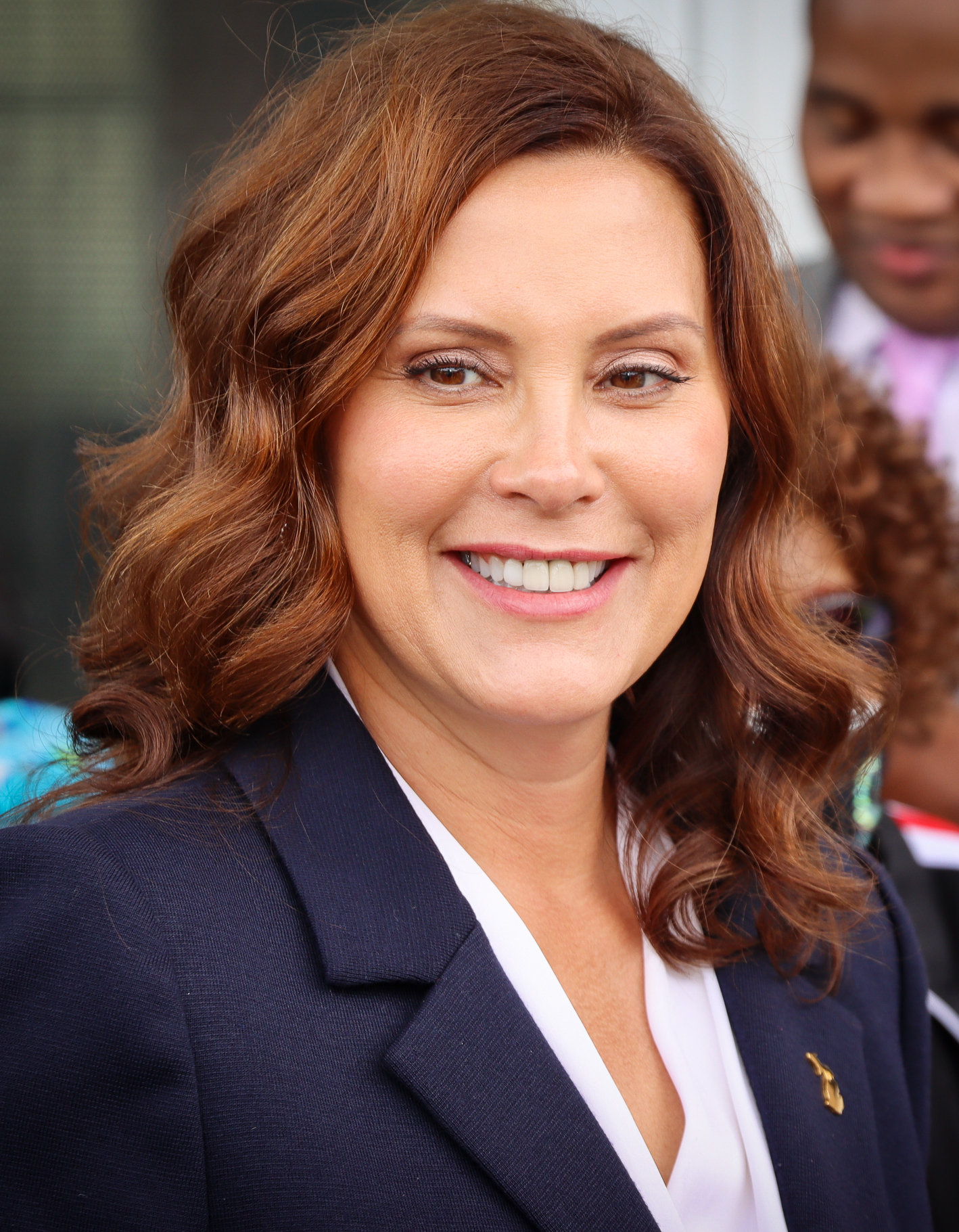
Most vaping products in Michigan could be deemed contraband if Gov. Gretchen Whitmer’s proposal to tax vaping products like combustible cigarettes is approved as currently written.
According to a State Budget Office memo, the proposal is designed to “curb usage and protect public health” by extending Michigan’s existing 32% wholesale tax on tobacco to e-cigarettes and other nicotine delivery devices.
A less-publicized aspect of the governor’s plan would also “prohibit the sale of vaping products not authorized by the US Food and Drug Administration,” a move that industry and health officials warn would effectively eliminate all but 34 tobacco- and menthol-flavored products approved by the FDA.
Under the proposal, most other flavors would be subject to “seizure and forfeiture as contraband products” and would carry civil and criminal penalties for sale, including fines for any “hazardous waste disposal costs incurred by the state,” the memo explains.
“Because so few vape products are FDA-authorized, a ban ‘would destroy hard-working small businesses across the whole state of Michigan,’” said Jim McCarthy, spokesperson for the American Vapor Manufacturers Association.
Whitmer’s office declined to comment on the potential flavored vape ban—a measure she attempted to implement in 2019 under a health emergency order to deter youth usage, which was later blocked by the courts.
Instead, spokesperson Stacey LaRouche directed attention to Whitmer’s broader remarks on her proposed vape tax during last month’s State of the State address, noting, “If we don’t act smart on vapes, we risk our children’s health and futures.”
While health advocates have generally praised Whitmer’s tax proposal, even some supporters caution that coupling it with a ban on non-FDA-authorized products might be excessive given the state’s lack of an effective enforcement mechanism.
House Speaker Matt Hall argued that this provision could doom the larger tax plan in the Republican-led House. “People like these flavors,” Hall said. “Nobody uses the vapes — and I’m talking about adults — they don’t use the vapes that aren’t flavored … When you’re banning the flavored vapes and then raising taxes? The public doesn’t want that.”
What’s on the Market?
As of January, the FDA has authorized 34 “tobacco- and menthol-flavored e-cigarette products and devices” from only three companies: NJOY, RJ Reynolds Vapor Company, and Logic Technology Development. State health department spokesperson Lynn Sutfin confirmed that under Whitmer’s proposal, all non-FDA-authorized items would be “subject to seizure and forfeiture as contraband.”
NJOY remains the sole brand with a flavored, FDA-authorized product—four of its menthol-flavored pods received approval in June 2024.
Who Wants a Ban?
The Whitmer administration previously attempted to enforce a six-month ban on flavored vaping products in 2019 through emergency rules. At that time, Chief Medical Executive Joneigh Khaldun described vaping as a “public health crisis,” stating that vapes “contain harmful chemicals that put our kids’ health at risk.”
That emergency measure would have made Michigan the first state to ban flavored vaping products, but in May 2020, the Michigan Court of Appeals ruled the ban unenforceable because the state health department had not followed proper rulemaking procedures.
Since then, at least six states—including Massachusetts, New Jersey, Utah, and California—have enacted bans or restrictions on flavored tobacco products, and Louisiana last year began enforcing a ban that permits only FDA-approved vape products or those meeting narrow exceptions.
A legislative effort to ban flavored vaping products in Michigan was debated but ultimately stalled in a House committee late last year.
Some health experts who back Whitmer’s vape tax plan are also concerned that her current push to ban flavors might go “too far.” Dr. Brittany Tayler, a pediatrician/internist and co-chair of the Keep MI Kids Tobacco Free Alliance, remarked, “There’s really not a great way to enforce that at this point,” referring to the proposal to prohibit the sale of non-FDA-authorized products.
She added that the state should first establish a tobacco retail register, noting that Michigan is one of only 10 states that does not require any form of retail license to sell tobacco according to federal data. “It has never been our intention to take all e-cigarettes,” Tayler said. “We’re talking about keeping them out of the hands of kids.”
At the Wild Side Smoke Shop in East Lansing, manager Daniel Carr expressed his belief that Whitmer’s proposal wouldn’t necessarily force the store out of business, given its broader product range, but he did anticipate higher prices for consumers. Carr’s shop, located near Michigan State University, stocks a variety of flavored vape cartridges—from “pink lemonade” to “bangin’ sour berries.”
Carr, 25, who has been vaping since he was 18 and describes himself as having a “sweet tooth,” mentioned that he uses flavors like “sour peach,” “cola slush” and “raspberry cool,” but he admitted he might quit vaping if prices climbed or if popular flavors were removed from the market. “It’s like the TikTok ban: If you don’t use TikTok, you didn’t really care, but if you were on TikTok everyday, it’s the worst thing that ever happened to you,” he said. “I’m somewhere in the middle.”