Key points:
- Vaping devices imported from China will face a total tariff of 79%, effective April 9, following a new 34% levy on top of existing tariffs.
- Nearly all vape devices sold in the U.S. are made in China; there is no significant domestic manufacturing of such products.
- China has announced immediate retaliatory tariffs of 34% on U.S. exports, with American farmers expected to be among the hardest hit.
Vaping products imported from China will soon be subject to a combined 79% tariff, as the Trump administration announced last week it will impose a sweeping new 34% tariff on a broad range of Chinese imports. The move, part of a renewed global tariff initiative, is set to take effect on April 9.
Vape products were already subject to a cumulative 45% tariff, comprised of a 25% duty first implemented by former President Donald Trump in 2018—later maintained under President Joe Biden—and two separate 10% increases introduced earlier this year. The additional 34% will be layered on top of these existing tariffs.
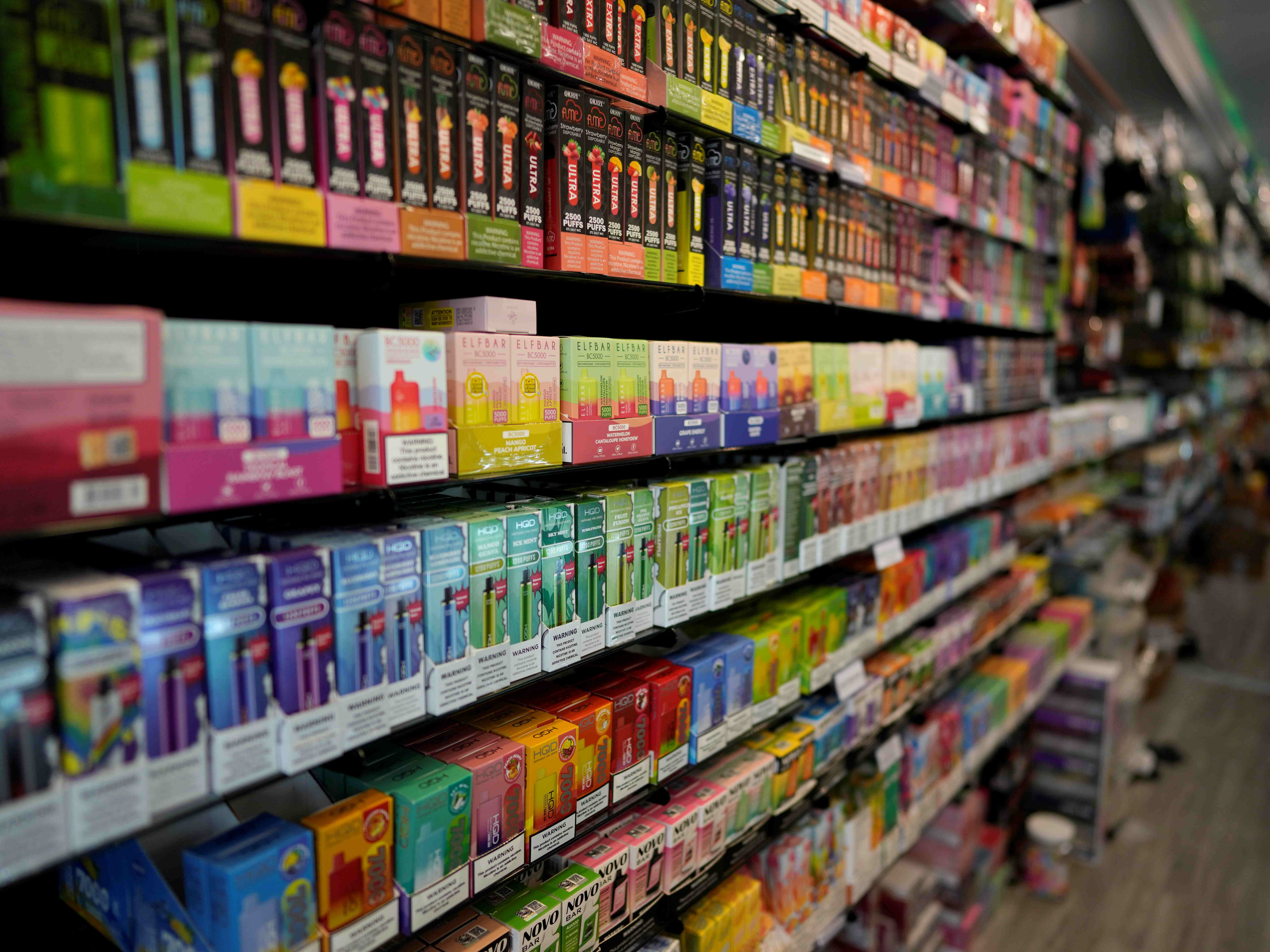
The latest tariff measures are expected to have significant ripple effects across the vaping industry in the United States. Nearly all mass-market vape devices, including disposable vapes, pod systems, atomizers, mods, and batteries, are manufactured in China. While some production has shifted to other countries in Asia, no major U.S.-based vape device manufacturing currently exists.
Tariffs are traditionally imposed to boost domestic industry by making foreign-made products more expensive. But with no significant U.S. manufacturing of vape hardware, industry experts say the latest move could do more harm than good—penalizing American importers, wholesalers, retailers, and ultimately, consumers.
The affected products fall under Section 301 of the Harmonized Tariff Schedule of the United States, specifically under item codes HTS 8543.70.9930 and HTS 8543.70.9940.
It remains uncertain how much of the added cost will be passed on to consumers. Retail prices may not fully reflect the 79% tariff, as some companies in the supply chain—particularly manufacturers and wholesalers—may absorb a portion of the burden. In some cases, Chinese suppliers may also temporarily reduce prices to remain competitive.
However, with tariffs adding nearly 80% to wholesale costs, industry observers agree that consumers will likely see noticeable price increases on vape products in the coming months.
The tariff announcement triggered significant volatility in financial markets, with U.S. stocks posting their sharpest decline since the COVID-19 pandemic began in 2020. The new levies are part of a broader Trump administration strategy aimed at imposing tariffs on imports from a wide range of countries.
In response, China announced an immediate 34% tariff on all U.S. goods exported to China. The retaliatory move is expected to particularly affect American agriculture. During the last major trade standoff in 2018, the Trump administration spent more than $20 billion in federal aid to support U.S. farmers impacted by similar retaliatory tariffs. Despite the assistance, many family farms were unable to survive the economic strain.
President Donald Trump threatened Monday to increase tariffs on China again if Beijing doesn’t remove the 34% retaliatory tariffs it placed on the United States.
“If China does not withdraw its 34% increase above their already long term trading abuses by tomorrow, April 8th, 2025, the United States will impose ADDITIONAL Tariffs on China of 50%, effective April 9th,” Trump wrote on Truth Social.
The president added that all talks requested by China would be terminated and “negotiations with other countries, which have also requested meetings, will begin taking place immediately.”