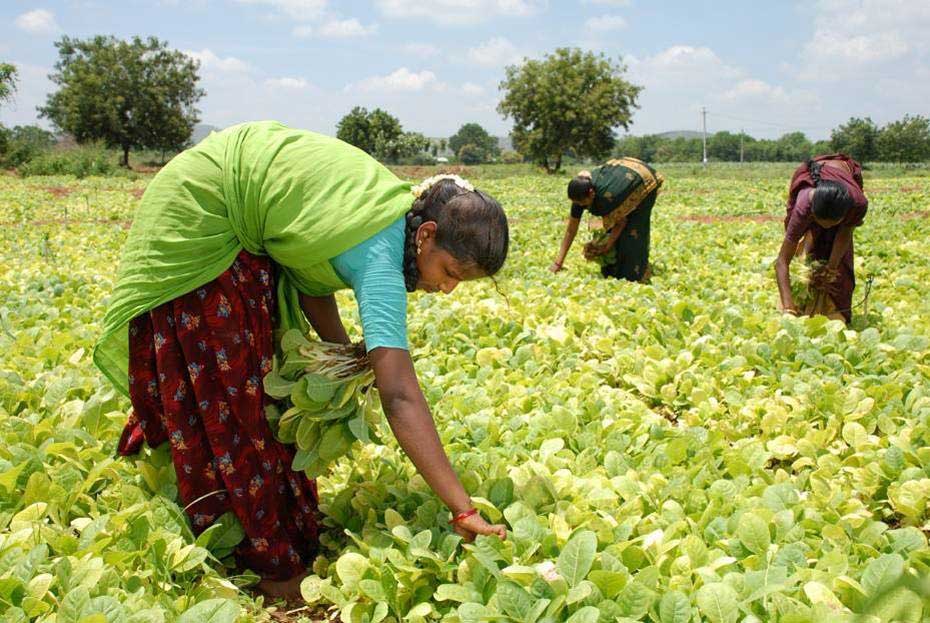
Yaswanth Kumar Chidipothu, Chairman of the Tobacco Board of India, has expressed satisfaction with the strong prices received by tobacco farmers for the second year running. However, he emphasized the need for disciplined crop production, warning that global recovery in tobacco output could strain the market in the coming years.
In a recent interview, Chidipothu detailed ongoing efforts by the Board to support farmers in Andhra Pradesh and Karnataka. “We’ve launched several strategic initiatives focused on sustainable growth,” he said, highlighting the importance of regulated crop planning to meet both domestic and export needs.
Last year, the Centre waived penalties on surplus tobacco sales, benefiting nearly 39,000 registered farmers who sold over 76 million kilograms of additional crop. The waiver saved farmers approximately ₹184 crore (US$2.1 million). Chidipothu credited the Board’s market strategies and policy decisions with enhancing grower incomes and livelihoods for more than 83,000 families.
Discussing the global tobacco market, he noted that 2024 saw reduced output in key producing countries—Brazil dropped from an estimated 550 million kg to 400 million kg, and Zimbabwe’s production fell to 245 million kg. A drought-hit Indonesia also suffered major losses. However, he warned that these countries are returning to normal levels, which could saturate the market. “Farmers should not expect last year’s prices to continue,” he cautioned.
Despite the potential market glut, auction prices this season remain strong. In Andhra Pradesh, the average price is around ₹270 per kg, just ₹10 shy of last year’s record. In Karnataka, where production fell short of the 100 million kg target, farmers are fetching about ₹258 per kg.
To discourage overproduction, Chidipothu has personally visited tobacco-growing regions to raise awareness about adhering to the Board’s production limits. Andhra Pradesh is projected to exceed its 167 million kg quota by over 30 million kg, while Karnataka stayed well within its 100 million kg cap.
On policy matters, Chidipothu acknowledged the government’s reluctance to promote tobacco due to health concerns. He said the Board is encouraging a gradual shift to alternative crops but stressed the importance of protecting farmer livelihoods and the revenue tobacco generates for the government.
Illegal trade in tobacco products also remains a pressing concern. While the Board cannot act directly, it is working with central authorities to address smuggling and tax evasion. “We are losing significant revenue due to contraband products,” Chidipothu admitted. “We’ve raised the issue with the Centre, and it is under active monitoring.”