
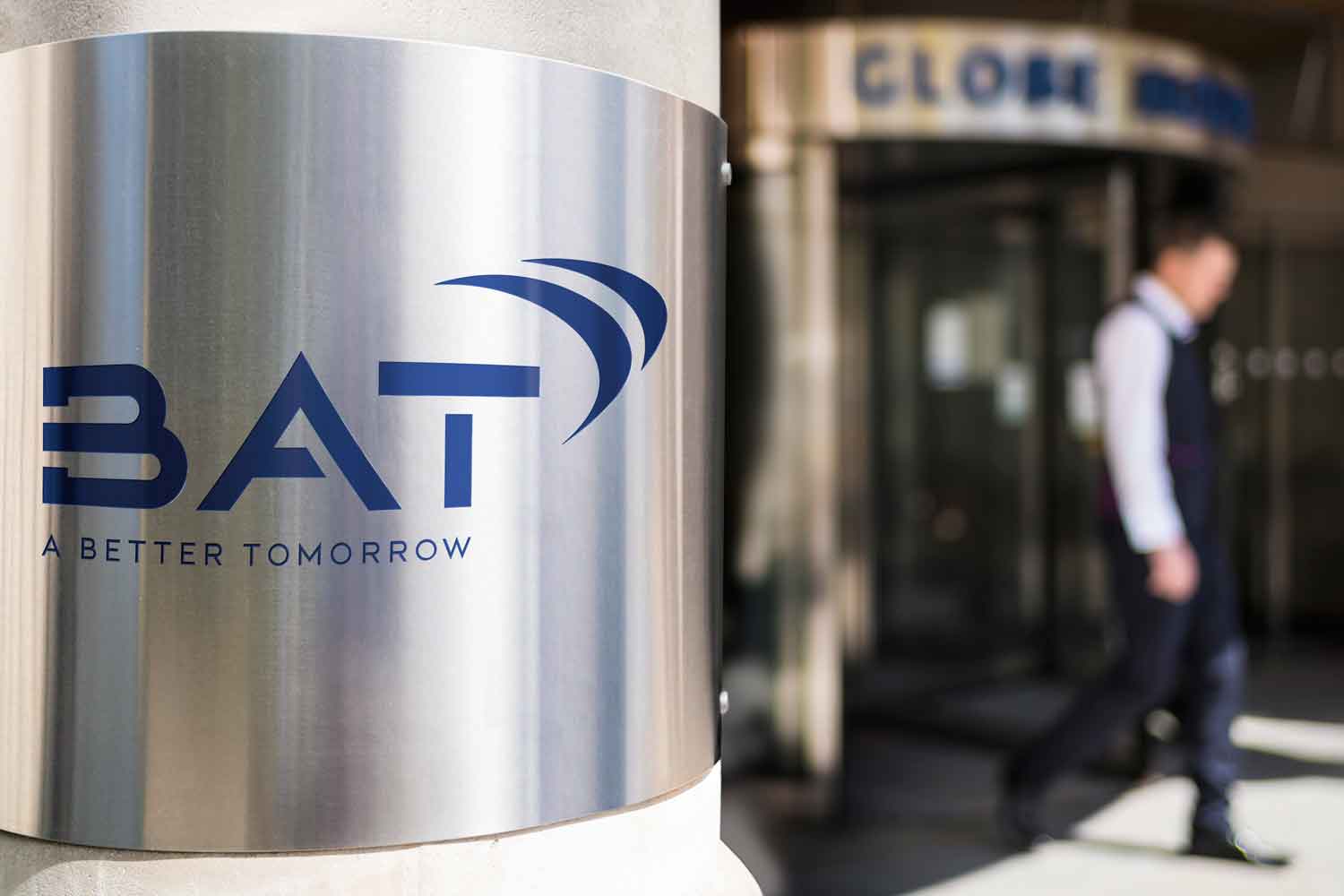
British American Tobacco (BAT) has sold a $1.5 billion stake in Indian consumer goods giant ITC Ltd., offloading 313 million shares at 413 Indian rupees (US$4.13)each, according to a term sheet reviewed by Reuters. The transaction, completed at a 4.8% discount to ITC’s Tuesday closing price of 433.90 rupees, marks the latest in a series of strategic financial moves by the London-listed tobacco group.
The share sale represents approximately 2.5% of ITC’s total outstanding shares and exceeded BAT’s initial plan to sell up to 290 million shares, which would have raised roughly $1.4 billion. Despite the divestment, BAT remains the largest shareholder in ITC, according to data from LSEG.
The move follows a similar transaction last year, when BAT sold 436.9 million ITC shares—about 3.5% of the company—for approximately $2 billion. That 2023 deal ranked among the largest block trades in Indian market history.
Share Drop and Market Reaction
News of the sale sent ITC shares down nearly 3% on Wednesday to 421.70 rupees, making it the worst-performing stock on both the benchmark Nifty 50 index and the Nifty FMCG index.
The block deal was led by Goldman Sachs and Citigroup, according to the term sheet. It also comes amid heightened block trading activity in India. Earlier this week, IndiGo airline co-founder Rakesh Gangwal sold a 5.7% stake in the carrier worth $1.36 billion, reports Reuters.
Boost to Buyback Program
BAT said proceeds from the latest ITC divestment will be used to enhance its 2025 share buyback program. “We are increasing our 2025 share buyback by £200 million to £1.1 billion as a result of this transaction,” the company said in a statement.
Despite the sizable share sale, BAT confirmed that the deal will have no material impact on its annual financial outlook.
Strategic Rebalancing
The sale underscores BAT’s ongoing strategy to rebalance its portfolio amid tightening regulations and shifting market dynamics in global tobacco markets. In February, the company forecast 1% growth in annual revenue, citing tax and pricing headwinds in key territories, including Bangladesh and Australia.
BAT has faced increasing scrutiny and operational challenges in several markets due to public health policies and excise tax hikes. At the same time, the firm continues to navigate a broader industry pivot toward non-combustible nicotine products and diversified revenue streams.
ITC, one of India’s largest conglomerates, operates in sectors ranging from tobacco and packaged food to hospitality and agriculture. While BAT has historically relied on its ITC stake for dividend income and exposure to the Indian market, analysts say the divestment reflects a gradual effort to reduce its reliance on a single overseas holding.
Outlook and Industry Context
With the sale, BAT has now offloaded around 6% of its ITC holdings in less than two years, raising a combined $3.5 billion. The company has not disclosed whether further stake reductions are planned, but it has consistently signaled an intent to manage its capital structure more dynamically in the face of sectoral headwinds.
India remains a critical market for tobacco, with ITC holding a dominant position in the country’s cigarette industry. Yet, as regulatory pressures mount and ESG-focused investors push for reduced tobacco exposure, multinational companies are facing tough choices around capital allocation and shareholder returns.


