Top Takeaways
- Taiwan has suspended imports of Haribo gummies from Germany after cannabis contamination was reported in a batch sold in the Netherlands.
- The ban will remain in effect until Haribo clarifies the source and scope of the contamination, according to the Taiwan Food and Drug Administration.
- Officials emphasize the move is a precaution as the tainted products were not found in Taiwan, but the brand is popular among children and not considered essential.
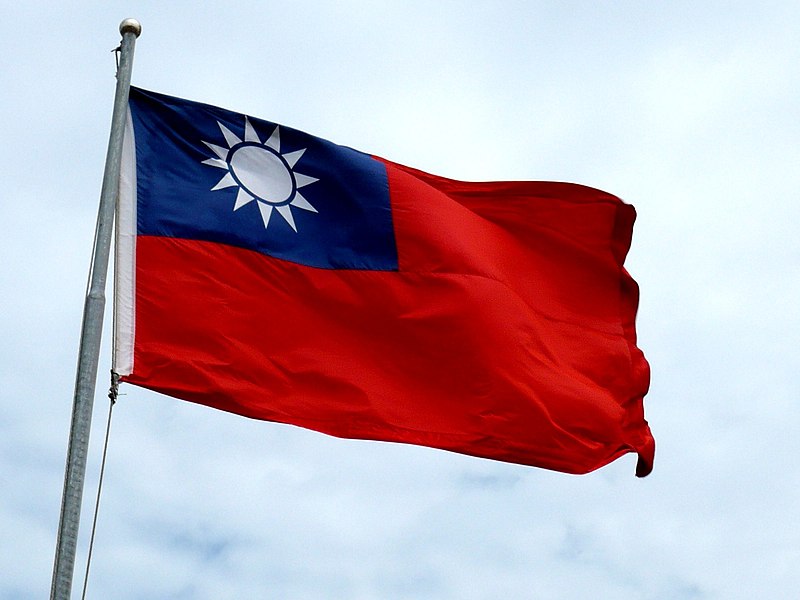
Taiwan has temporarily halted imports of all gummy candies manufactured by Haribo in Germany following reports that a batch of the company’s Happy Cola F!ZZ gummies sold exclusively in the Netherlands tested positive for cannabis contamination.
The Food and Drug Administration in Taiwan said the suspension was implemented as a precautionary public health measure and would remain in place until Haribo provides detailed information about how the contamination occurred. The agency confirmed that the affected products were not imported into Taiwan.
“This is not an essential product,” said Lin Chin-fu, Deputy Director-General of the TFDA. “We are imposing strict border controls to protect public health, especially given the popularity of these sweets among children.”
The decision follows reports from Dutch authorities that individuals had fallen ill after consuming 1kg bags of the Happy Cola F!ZZ gummies. A spokesperson for the Netherlands Food and Consumer Product Safety Authority said several consumers reported dizziness, and testing confirmed the presence of cannabis in the sweets.
Though it’s still unclear which compound was involved, experts believe tetrahydrocannabinol (THC) — the primary psychoactive component in cannabis — is the likely culprit.
“THC can cause increased blood pressure and rapid heart rate in adults,” said Dr. Yen Tzung-hai, a nephrologist at Linkou Chang Gung Memorial Hospital. “In children, whose brains are still developing, the effects can be even more severe, including drowsiness, dizziness, and irritability.”
Haribo has not publicly confirmed whether the products in question were genuine or counterfeit, and investigations are still underway. While the company has production facilities in several countries, including Turkey, early findings point to its factories in Germany as the source of the affected items, according to the TFDA.
Although Taiwan does import Haribo products, authorities have not confirmed what portion of those imports originate from Germany. The TFDA said it will not lift the ban until the company provides a full explanation of the contamination and authorities are satisfied that there is no health risk.
“Imports will only resume after the situation has been clarified and all safety concerns ruled out,” said Lin.
The TFDA emphasized that the decision is consistent with Taiwan’s broader food safety policy, which prioritizes risk prevention over reaction—particularly for products aimed at children.
As the investigation continues in Europe, regulators around the world are monitoring developments closely. Taiwan’s move is part of a broader trend among countries seeking to tighten food and consumer product safety measures, especially when it comes to cross-border goods that may not fall under domestic production standards.