Top Takeaways:
- Severe production losses: Over 385 hectares of tobacco have been lost in Consolación del Sur alone, with harvests falling far short of targets due to prolonged power outages.
- Economic impact: Disruptions threaten contracts, income, and the stability of thousands of workers in Cuba’s crucial tobacco sector.
- Government struggles: Amid nationwide blackouts, officials scramble for short-term fixes like generators, but fundamental problems with Cuba’s energy system remain unresolved.
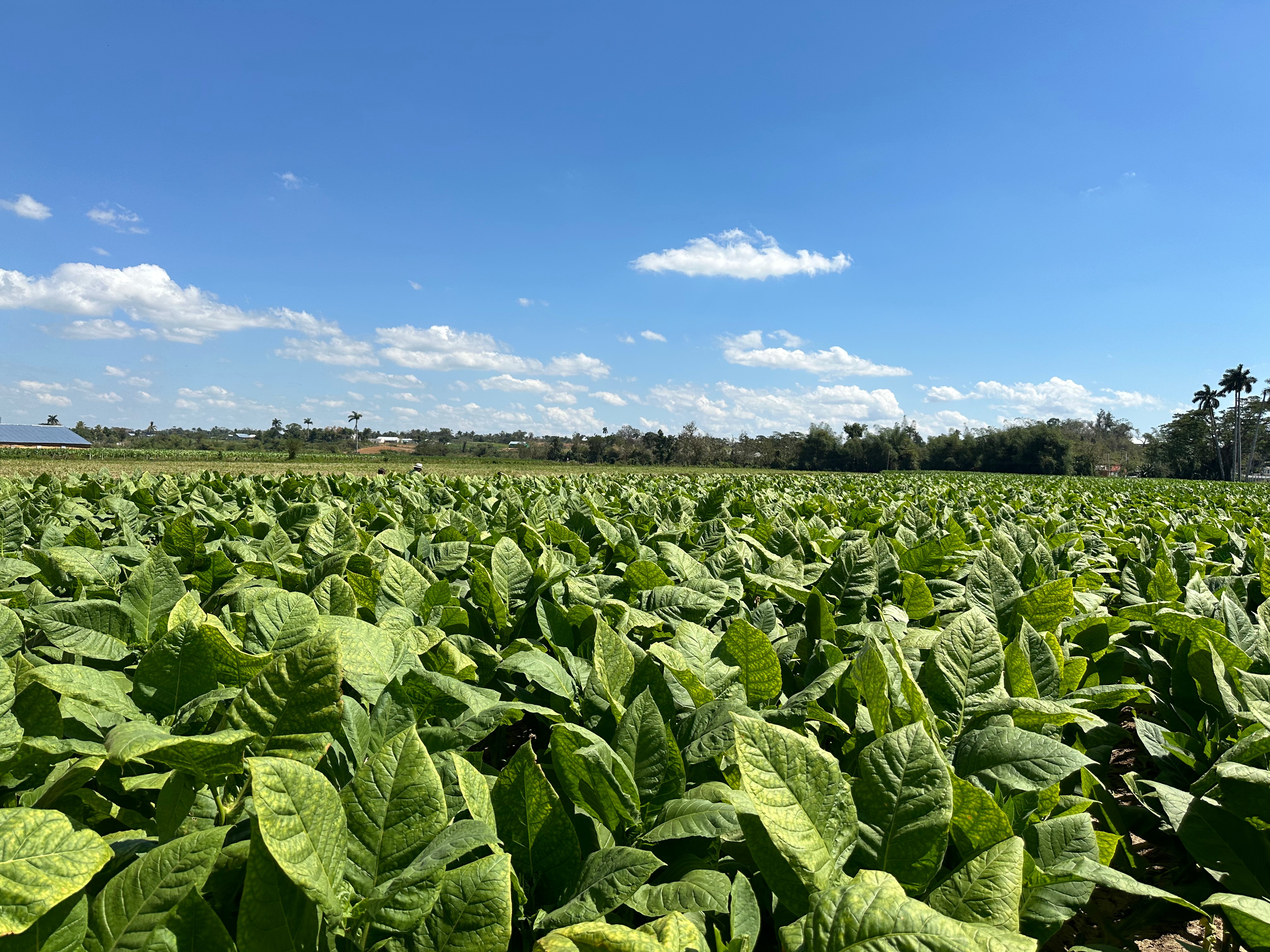
Cuba’s prized tobacco industry is facing devastating setbacks as the island’s chronic power outages wreak havoc on planting and irrigation, slashing production in the country’s leading tobacco-growing province of Pinar del Río and endangering one of its most lucrative exports.
In Consolación del Sur, officials reported the loss of more than 385 hectares of tobacco during the current growing season due to the inability to irrigate fields amid widespread and prolonged blackouts. The result is a staggering reduction in harvest yields: just 1,301 tons of tobacco were collected from an initial target of 1,778 tons, according to statements made by Mario Luis Zamora Medina, general director of the Integrated Tobacco Company in the municipality, to local newspaper Guerrillero.
“We estimate the loss at half the contracted yield, which means 0.6 tons per hectare,” Zamora said. Only 1.99 million bundles of cured leaves were gathered—just 79% of the planned 2.5 million—posing a direct threat to existing contracts with producers and jeopardizing the livelihoods of thousands of tobacco workers.
The crisis has hit all tobacco varieties grown in the region, including the premium sun-grown sol en palo and Virginia types, Zamora said. “The impact is not only quantitative; it also jeopardizes contracts, income, and the stability of thousands of tobacco workers,” he told Guerrillero.
Energy shortages have become a chronic issue across Cuba, with Pinar del Río among the hardest-hit provinces. According to provincial electricity officials, some circuits have suffered blackouts lasting more than 30 consecutive hours, creating a dire situation for both agricultural and industrial production.
In response, Zamora’s team is trying to keep operations afloat, building 1,036 curing barns for current and future harvests, with plans to complete 85 more before the next planting season. The goal is to have around 1,800 barns ready to support a projected 2,100 hectares of tobacco for the next campaign—a target Zamora admits is ambitious given the grid’s instability.
“All of the selection centers are already operating and processing the collected tobacco,” Zamora said, adding that by late July, they hope more than 80% of producers will have cleared their fields and settled their accounts—a goal he acknowledged clashes with a “reality marked by an unrelenting energy deficit.”
While the government has announced projects such as new solar parks to diversify the energy matrix, progress has been slow, and blackouts remain a daily occurrence. The president of the Tabacuba business group, Manuel Marino Murillo Jorge, recently told state television that efforts were underway to improve living conditions for tobacco workers. However, he did not address the need for fair wages in a sector that generates over $100 million annually from exports.
The country has recently leaned increasingly on machine-made cigars produced at the Internacional Cubana de Tabacos factory in Havana to offset declining hand-rolled output. Machine-made cigars, though lacking the prestige of traditional Cuban vitolas, contributed $38 million to the company’s record $827 million in revenue last year.
Internacional Cubana de Tabacos operates 64 machines producing up to 42 cigars per minute under major labels such as Cohiba, Montecristo, Romeo y Julieta, and Partagás. Workers at the factory told AFP they are divided into three shifts running seven days a week to meet relentless demand. Even small delays in production can mean financial losses, given that “everything produced is sold immediately,” company officials said.
The energy crisis’s ripple effects extend beyond Consolación del Sur. Cuba’s 2025 campaign aims to harvest over 17,000 tons of tobacco leaves from roughly 15,000 hectares, with more than 70 million cigars expected for export—most from Pinar del Río, which produces over 65% of the national crop. Yet these targets seem increasingly out of reach as power outages hamper irrigation and threaten the integrity of a crop essential to Cuba’s economy.
As blackouts continue, many producers must wake before dawn to take advantage of the few hours of electricity available to irrigate fields, while companies resort to costly generators as stopgap measures.
Despite official reassurances, the outlook for Cuba’s signature industry is clouded by an energy system plagued by obsolescence, fuel shortages, and poor maintenance. With more blackouts forecast and only limited solutions in sight, the country’s tobacco producers and exporters face an uphill battle to meet both domestic and international demand.