Top Takeaways:
- Plasencia Cigars will raise prices 32–47% on July 7 in response to U.S. tariffs imposed on cigars imported from Nicaragua and Honduras.
- Trump-era tariffs have led to widespread price hikes across the cigar industry, despite recent court rulings questioning the legality of the administration’s actions.
- Uncertainty over tariff enforcement remains high, with many cigar makers opting to either raise prices now or add temporary surcharges, depending on ongoing appeals.
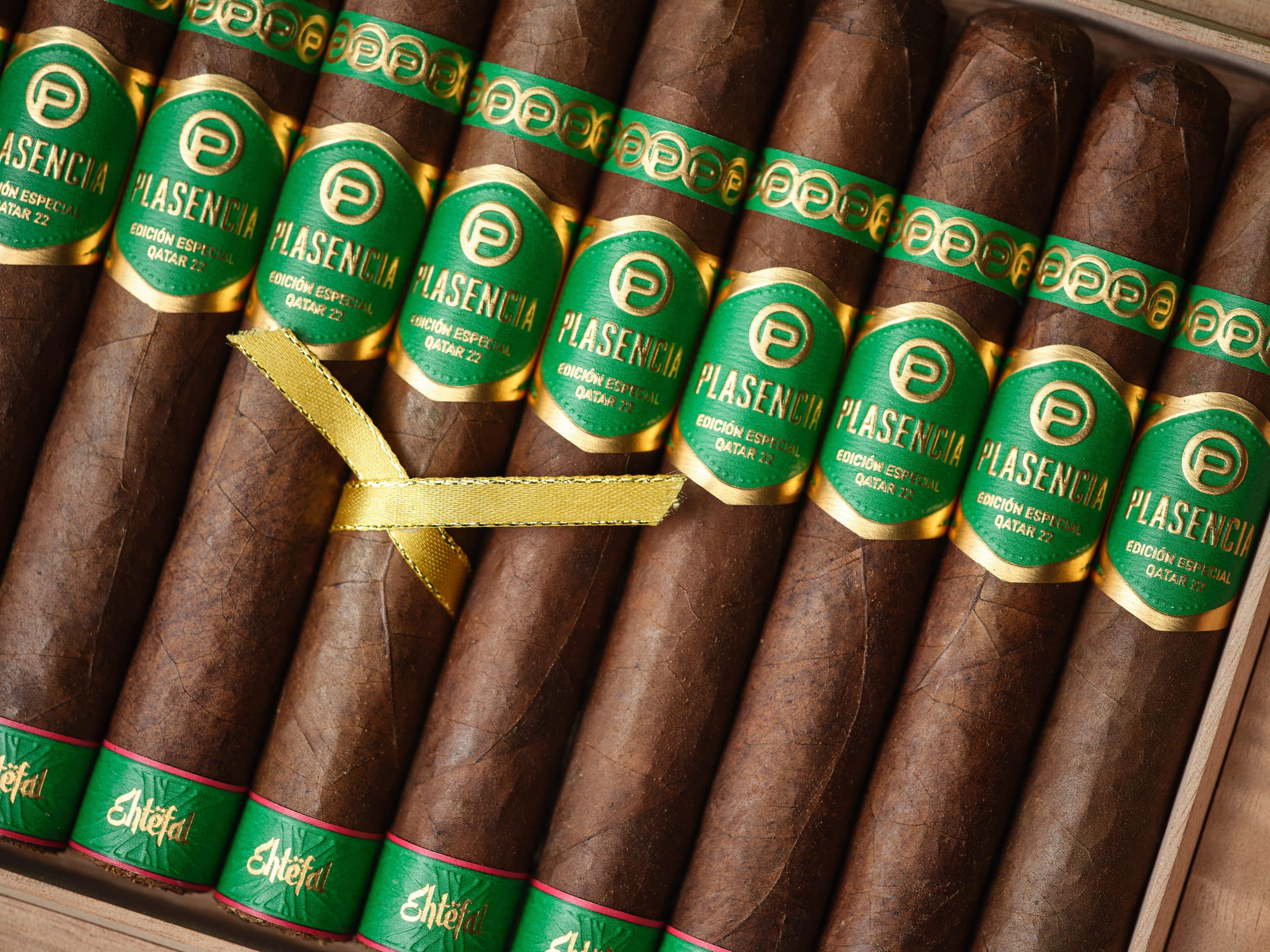
Plasencia Cigars announced it will raise prices on its entire portfolio next week, citing the Trump administration’s tariffs on imported cigars as the driving factor. The increase, ranging from 32% to 47% at the wholesale level, will go into effect Monday, July 7, CEO Ed Bello confirmed in an email to industry partners, as reported by Halfwheel.
“As you are aware, recent changes in U.S. international trade policy have resulted in new, higher import tariffs being introduced on goods from countries where Plasencia cigars are proudly crafted,” Bello said. “While we have worked diligently to absorb these rising costs … the scope of the new tariffs has made it necessary for us to now implement an adjustment in our prices.”
President Trump’s initial rates called for a 19% tariff on Nicaraguan goods and 10% on imports from the Dominican Republic and Honduras. However, a temporary suspension reduced Nicaragua’s rate to 10%, though it expires July 9, adding urgency to companies’ pricing decisions.
Unlike state tobacco taxes, which are based on the wholesale price paid by retailers, the federal tariff is applied to the “direct import price” — the price the manufacturer or distributor pays before wholesale markups. That means tariffs ripple through the supply chain, ultimately costing consumers even more once state tobacco and sales taxes are calculated.
Retail prices are likely to jump by at least twice the tariff rate, according to industry analysts.
Industry-Wide Impact
Plasencia is hardly alone in facing this dilemma. A recent Halfwheel survey found roughly half of cigar companies planned price increases if tariffs remained in place, with major brands like Drew Estate, Altadis U.S.A., Gurkha, and Joya de Nicaragua already confirming hikes or adding surcharges to invoices.
Some companies have opted to avoid permanent price adjustments for now by adding line-item surcharges to invoices. These businesses argue that approach would allow easier rollbacks if tariffs are eventually lifted. Others, like Plasencia, chose to increase list prices directly to account for the added costs.
The uncertainty stems from conflicting legal and political signals. On May 28, the U.S. Court of International Trade ruled that the Trump administration’s tariffs were illegally enacted because the White House used emergency authority without proper Congressional approval. A day later, the U.S. District Court for the District of Columbia issued a separate ruling against the administration’s tariff scheme.
However, both decisions are on hold while the federal government appeals, leaving cigar makers uncertain whether to bank on the tariffs’ removal or plan for them to persist.
For small retailers and distributors, the stakes are high. Many have already paid tariffs on existing inventory imported after the initial April announcement, which won’t be refunded even if the courts ultimately strike down the policy.
Retailers in states with high tobacco taxes, like New York or California, will see compounded increases as percentage-based taxes apply to the inflated wholesale prices. Cigar industry executives warn the combined burden of tariffs and taxes could significantly suppress demand, especially for premium handmade cigars.
In his letter, Bello acknowledged the frustration shared by many retailers and consumers: “We have heard from you, loud and clear, about the rising prices of cigars being a difficult part of your business, and we want to do our part to help keep prices as steady as possible.” But he said the new tariffs made absorbing the added costs impossible for the company in the long term.
Competitive Landscape
Not every company is following the same strategy. Some manufacturers with diversified production outside affected countries, like Costa Rica or parts of the European Union, may see a temporary pricing advantage. Others, like AJ Fernandez, JC Newman and Casa Cuevas, indicated they will try to hold prices steady despite the tariffs.
Still, with more than 80% of premium cigars imported into the U.S. produced in Nicaragua, the new tariff regime is poised to impact the entire market.
If the government loses its appeals, cigar companies could see tariffs rolled back. But given the administration’s ongoing efforts to justify the measures, many believe high tariffs could persist well beyond the 90-day suspension window that expires July 9.
As uncertainty looms, some industry groups are lobbying Congress to clarify tariff policy on handmade cigars or exempt them altogether, arguing the premium cigar industry does not pose the same concerns as mass-market tobacco products.