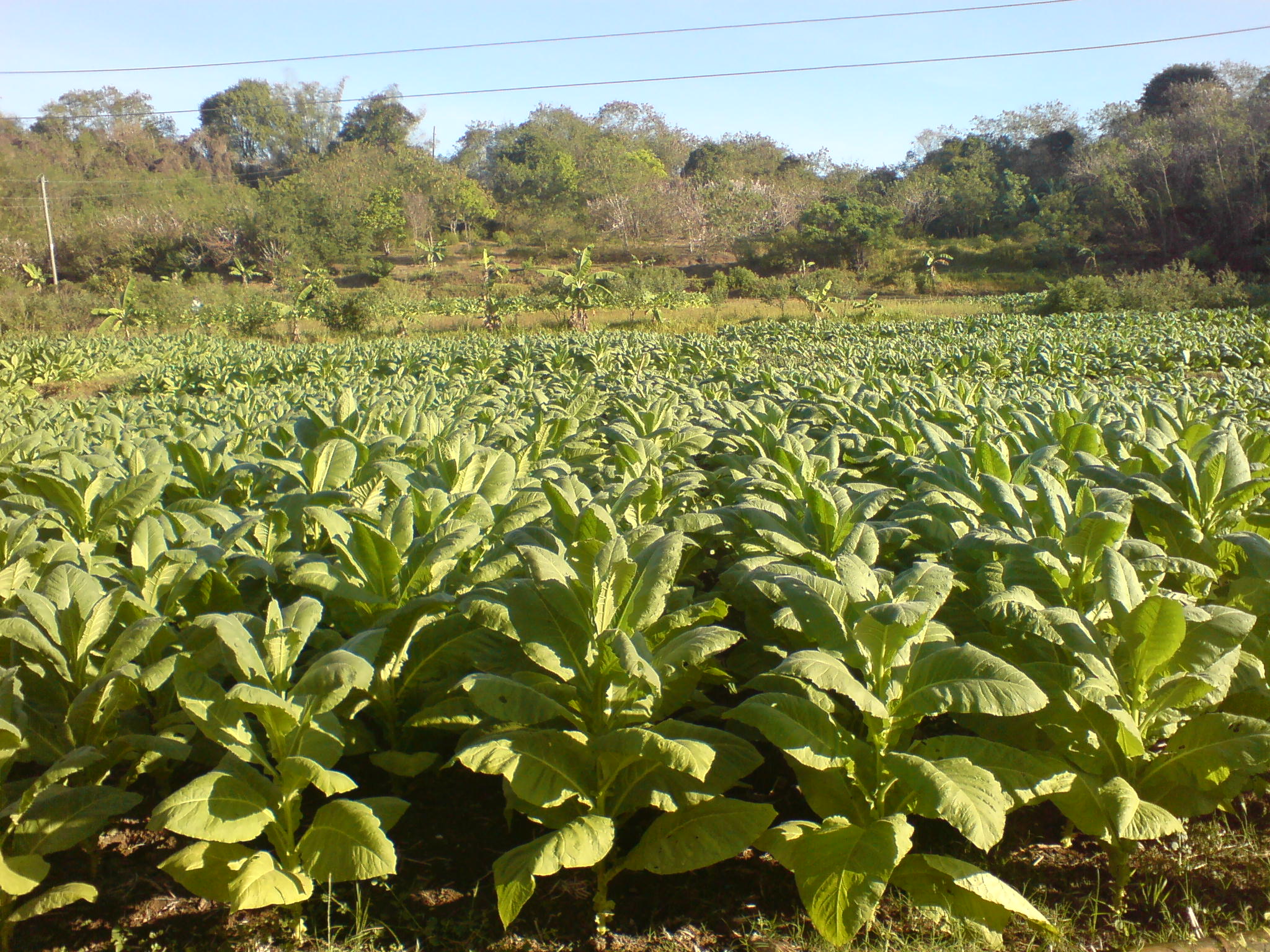
Tobacco production across Mindanao, Philippines, surged 44% in 2024 as thousands of farmers pivoted toward the fast-growing, in-demand “batek” variety and tapped new government support aimed at stabilizing rural incomes, data from the National Tobacco Administration (NTA) shows.
Output climbed to 9.7 million kilograms from 5.4 million kg the prior year. “We’ve seen a strong shift into native baték tobacco because it grows quickly, cures well in local barns, and commands dependable prices from domestic buyers,” said Ma. Mercedes Ayco, who heads NTA operations in Mindanao.
Misamis Oriental accounted for an estimated 7.7 million kg—close to 80% of all tobacco grown on the island in 2024—benefiting from organized buying programs, improved irrigation blocks, and coordinated curing schedules that reduced post-harvest loss, according to regional NTA field reports.
Farm leaders there said top-graded leaf fetched as high as ₱700 (US$12.60) per kilo at peak buying, providing a strong incentive to plant additional hectares after corn and root-crop returns sagged in some upland areas.
While Misamis Oriental led by volume, the fastest percentage growth came from Maguindanao del Sur, where output rose 62% year over year as smallholders intercropped baték with short-cycle vegetables and used communal flue-curing sheds financed under NTA’s development grants.
Neighboring production zones in Bukidnon and parts of North Cotabato also added acreage after late-season rains favored tobacco over rain-sensitive rice varieties.
The number of registered tobacco growers in Mindanao rose from 4,630 in 2023 to more than 8,100 in 2024, NTA said. Cultivated land expanded from just under 3,000 hectares to more than 4,400 hectares, reflecting both new growers and existing farmers re-allocating fields from maize, cassava, or copra-based rotations.
To sustain the momentum—and to reduce the boom-and-bust cycles that have historically dogged the leaf trade—the NTA last year launched the Sustainable Tobacco Enhancement Program (STEP), a five-year initiative that pairs infrastructure grants (small-scale irrigation, curing barn upgrades, mobile balers) with agronomic training, seed distribution, and forward marketing linkages between grower co-ops and domestic manufacturers.
Ayco said STEP funding has already been deployed in priority clusters in Misamis Oriental and Maguindanao del Sur, with additional rollouts planned in Lanao del Norte and Davao del Sur.
Tobacco is the only Philippine crop with a government-backed floor price negotiated each season between farmer groups, buyers, and the NTA—an anchor that growers say helps manage risk amid volatile feed grain and coconut markets. The agency estimates the broader tobacco value chain supports the livelihoods of more than 2 million Filipinos, including roughly 430,000 farmers, contract workers, and seasonal laborers tied to planting, curing, hauling, and processing.
Growers in northern Luzon have long benefited from the floor price system; Mindanao producers say expanding enforcement and guaranteed buying in the south is improving credit access because lenders can underwrite advances against minimum price assurance. “When there’s a floor, banks listen,” one cooperative buyer in Gingoog said at a recent NTA grower forum.
The rebound in native leaf from Mindanao comes as the Philippines tightens minimum retail prices on manufactured cigarettes and ramps up excise tax collections on traditional and vapor products. Stronger domestic leaf supply—especially in low-input native types used in locally blended and chewing formats—could help offset imported raw material costs for smaller manufacturers serving regional markets.
Industry analysts also note that steady leaf income can temper migration out of agriculture, preserving the labor base needed to support emerging reduced-risk nicotine categories that rely on local distribution networks.