Top Takeaways:
- A federal judge refused to block Wisconsin’s law restricting sales to the 39 FDA-authorized vape products.
- Retailers face fines of $1,000 per day per product for selling non-approved items.
- Industry group WiscoFAST is appealing to the Seventh Circuit, arguing the law improperly intrudes on federal authority.
A Wisconsin law banning the sale of vaping products without federal authorization remains in force after a federal judge rejected an industry group’s bid to block enforcement, leaving retailers restricted to a small fraction of available e-cigarette products.
The lawsuit was filed this summer by Wisconsinites for Alternatives to Smoking and Tobacco (WiscoFAST) against the state Department of Revenue. The group argued the 2023 statute unlawfully intrudes on federal authority by banning e-cigarette and vape sales unless the products have received U.S. Food and Drug Administration marketing orders.
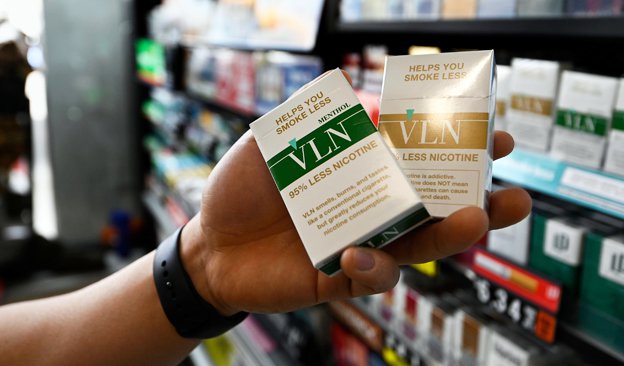
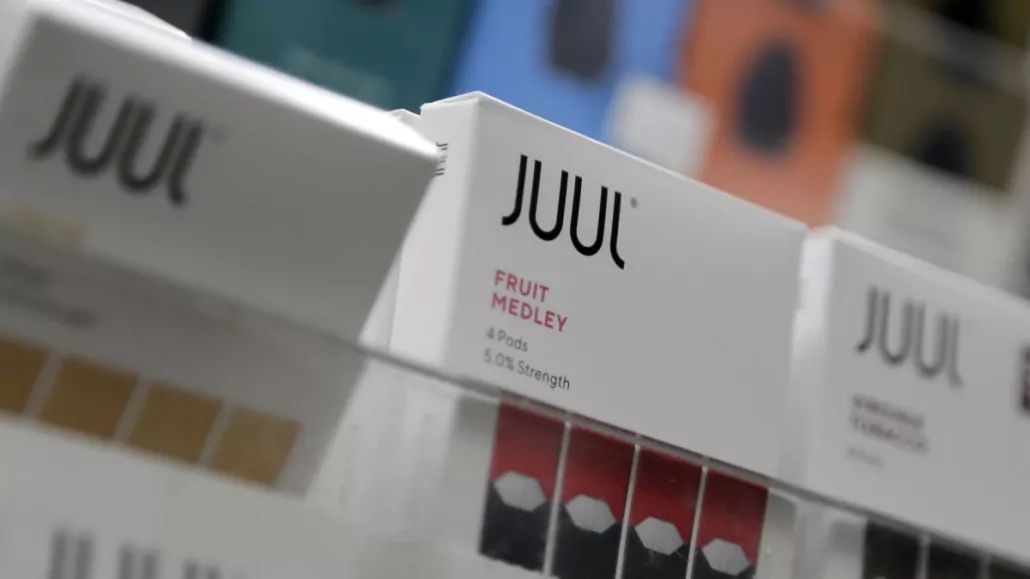
The law, effective Sept. 1, limits retailers to just 39 FDA-authorized vaping products. Shops that sell unapproved items face fines of $1,000 per day per product. State officials have said a parallel prohibition on hemp-based vaping devices such as delta-THC products will follow next year.
In a Friday ruling, U.S. District Judge William Conley of the Western District of Wisconsin denied WiscoFAST’s motion for a preliminary injunction, writing that the plaintiffs “failed to demonstrate a reasonable likelihood of success” on the merits. He added that “plaintiffs’ unexplained delay in bringing suit until just before the statute takes effect offsets the arguably limited harm in further extending enforcement for a few more months given the state’s repeated extensions of the date enforcement would begin.”
Conley concluded that halting enforcement would not serve the public interest.
Industry representatives sharply criticized the outcome. Tyler Hall, president of WiscoFAST, said the decision “forces thousands of retailers across the state to remove products that adult consumers rely on,” calling the ruling a misreading of federal preemption law. “We will continue to pursue every available legal avenue to protect consumer choice and the livelihoods of thousands of Wisconsin workers,” Hall said in a statement.
WiscoFAST immediately filed notice of appeal to the U.S. Court of Appeals for the Seventh Circuit, where it will again seek a preliminary injunction to suspend the ban while litigation proceeds. Hall said the group’s “fight is far from over” and expressed confidence that a higher court will recognize the FDA’s authority in regulating nicotine products.
The case is being closely monitored by retailers and manufacturers nationwide. Wisconsin’s enforcement approach—limiting sales to FDA-cleared products only—places it among the strictest U.S. jurisdictions. Many in the industry warn that such rules effectively remove almost all products from store shelves, since the FDA has issued only a few authorizations out of the millions of pending or denied applications.
For now, Wisconsin retailers face a dramatically reduced selection for store shelves and the prospect of further enforcement on hemp-derived vapes next year.