
Top Takeaways:
- More than 5,000 officers across multiple agencies are now empowered to enforce Singapore’s vaping ban.
- 232 people were caught since Sept. 1, including 14 with etomidate-laced vapes.
- Offenders face fines, mandatory rehab, and repeat violators risk prosecution with penalties up to S$2,000.
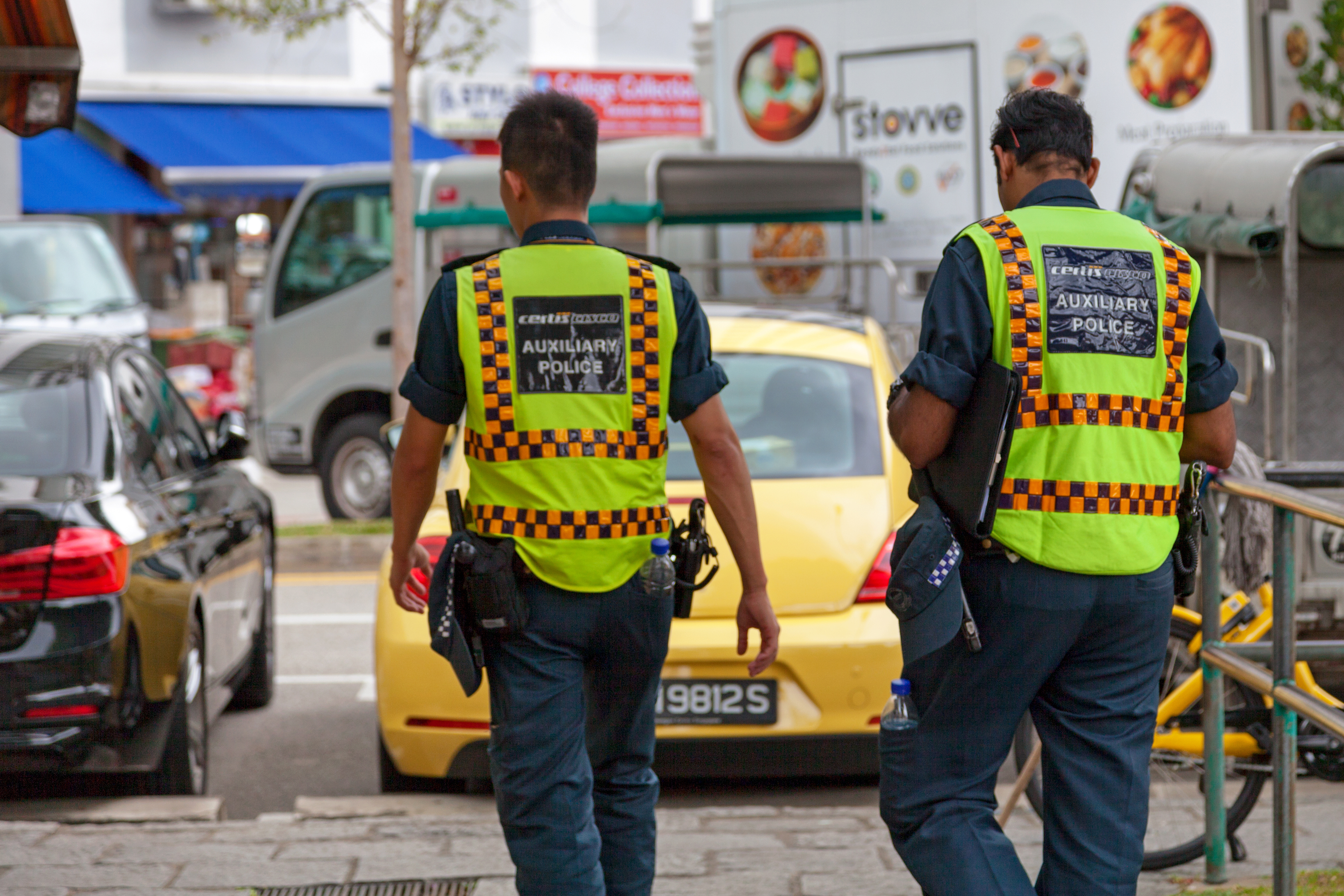
Singapore has nearly doubled the number of officers authorized to enforce its anti-vaping laws, adding over 5,000 frontline personnel to the crackdown on electronic nicotine products.
The Ministry of Health (MOH) and the Health Sciences Authority (HSA) announced Monday that officers from various agencies, including the Central Narcotics Bureau, the Singapore Prison Service, and public transport operators, have been recently authorized to take action against e-vaporizer users.
They join existing enforcement teams from the HSA, Immigration & Checkpoints Authority, Singapore Police Force, Singapore Customs, and other government agencies.
Officials described the expansion as part of a “comprehensive response against vaping,” citing the discovery of etomidate, an anesthetic agent now classified as a Class C controlled drug, in illegal e-vaporizers. Etomidate-laced devices, known locally as Kpods, are considered especially dangerous.
Harsher penalties took effect on September 1, and authorities reported that 232 people have already been caught for e-vaporizer offenses, including at least 14 in possession of etomidate vapes. All 232 were fined immediately, and three have been ordered into mandatory rehabilitation programs lasting up to six months. Officials said the rehabilitation program focuses on education, counseling, and support to reduce addiction.
Repeat offenders face increasing penalties. Those who fail to complete rehabilitation will be prosecuted, and individuals caught using vapes three or more times can be charged under the Tobacco (Control of Advertisements and Sale) Act, with fines of up to S$2,000.
“I thank all the public agencies who have come together to deal with this scourge as well as the public for their strong support for our anti-vaping efforts,” Health Minister Ong Ye Kung wrote in a Facebook post.
The increased measures strengthen Singapore’s reputation as one of the strictest jurisdictions in Asia regarding e-vaporizers, where possession, purchase, and use remain illegal, and authorities have consistently resisted industry lobbying for a regulated market.


