By Timothy S. Donahue
Top Takeaways:
- A coalition of 28 state attorneys general asked the Fourth Circuit to resist blocking North Carolina’s law banning sales of e-cigarettes not approved by the FDA.
- The states argue the law is necessary to protect public health and uphold regulatory consistency.
- The appeal comes amid legal tension over state enforcement of federal tobacco rules by non-federal actors.
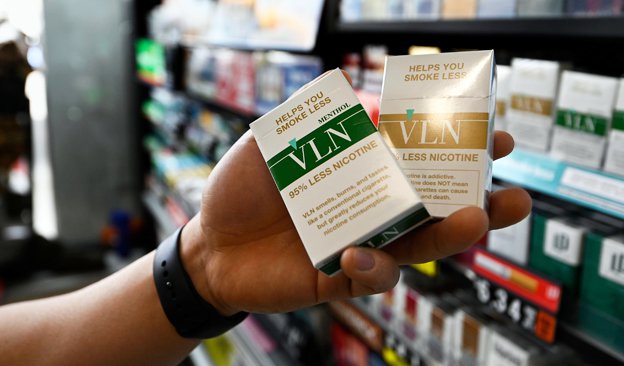
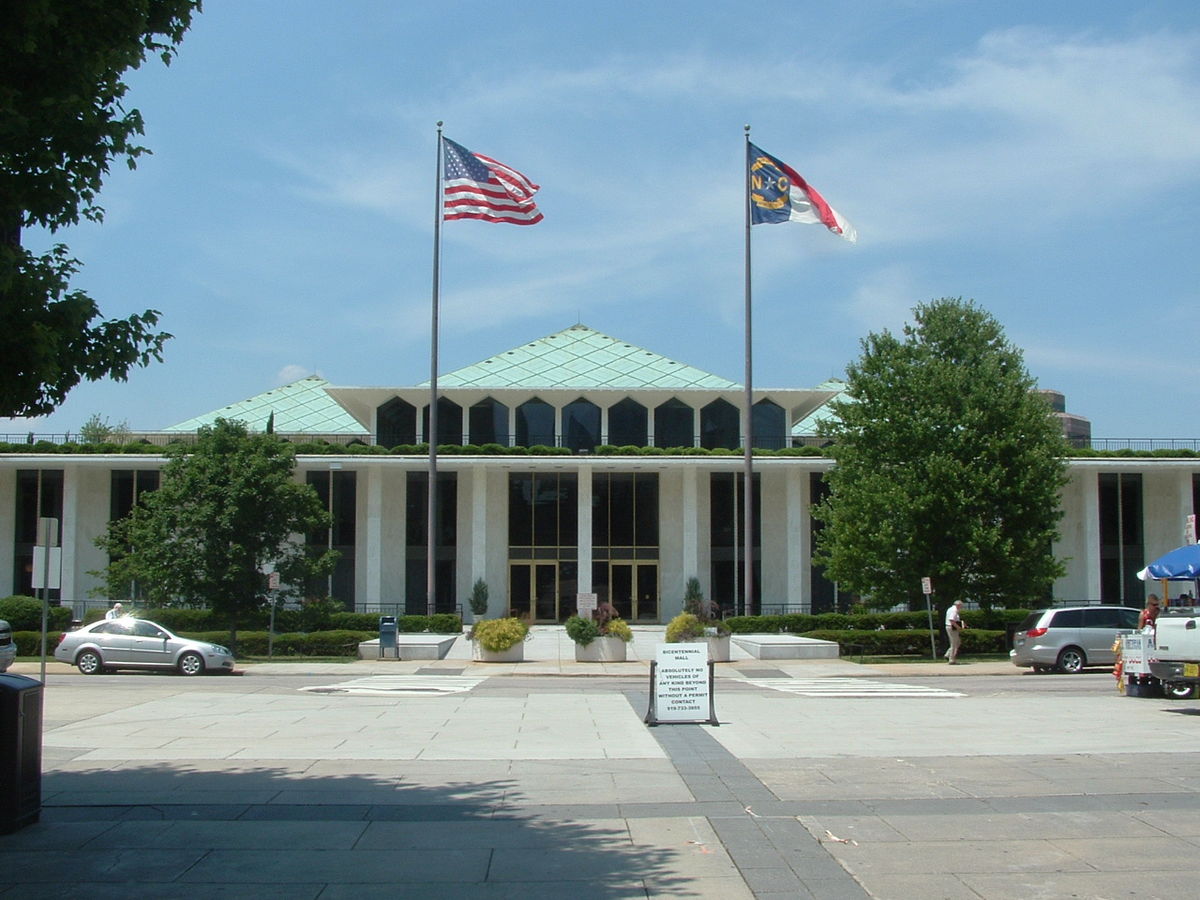
A multistate coalition of 28 attorneys general has submitted a brief urging the U.S. Fourth Circuit Court of Appeals to uphold a North Carolina law that bans the sale of e-cigarette products not authorized by the U.S. Food and Drug Administration.
The move shows increasing urgency among state authorities to enforce tobacco and nicotine laws, either independently or sometimes alongside federal efforts.
The attorneys general assert in their filing that the North Carolina law plays a crucial role in public health protection by restricting access to unregulated vaping products. They argue that blocking the law would cause confusion and create a regulatory vacuum in which unauthorized nicotine devices proliferate without oversight or accountability.
The challenged statute, enacted in 2024 and effective as of June, prohibits retailers from selling any vapor products that lack full FDA marketing authorization. Vape industry groups, including the Electronic Cigarette Technology Association, filed for an injunction in the Fourth Circuit, arguing that the state does not have the authority to enforce federal requirements. These groups claim that the law would eliminate competition from independent vape brands still undergoing FDA review.
In August, North Carolina’s courts declined to block the measure, and the plaintiffs appealed the case to the Fourth Circuit. The coalition of state attorneys general now requests that the appeals court deny the injunction and permit North Carolina to enforce the statute while litigation continues.
Legal observers note that the case stands at a crossroads of state enforcement and federal regulatory power. The Family Smoking Prevention and Tobacco Control Act grants the FDA exclusive authority to enforce premarket authorization requirements for tobacco products. Critics of state enforcement contend that when states attempt to enforce these rules, they may face implied preemption issues.
The Fourth Circuit recently indicated resistance to blocking such state laws: in July 2025, it chose not to issue an injunction against North Carolina’s e-cigarette ban, effectively affirming the state’s right to prohibit the sale of non-FDA-authorized products.
Industry groups opposed to the statute say it sidelines smaller manufacturers whose premarket applications are still under review and limits choices for adult nicotine consumers. Meanwhile, state attorneys general argue they are filling a regulatory gap and preventing potentially unsafe or adulterated products from flooding the market.
As the appeal progresses, the Fourth Circuit’s decision could establish a standard for how extensively states can enforce rules similar to FDA tobacco policy—and whether courts will permit states to act when they see federal enforcement as insufficient.