By Timothy S. Donahue
Top Takeaways:
- South Korea’s Ministry of Planning and Finance approved an amendment to tax and regulate synthetic nicotine.
- The proposal, still awaiting full parliamentary approval, could raise ₩930 billion (US$6.3 billion).
- Lawmakers warn of “nicotine-like” substances emerging to evade future controls.
South Korea’s government is steadily advancing a bill to regulate synthetic nicotine under the same rules and taxes as traditional tobacco.
The Ministry of Planning and Finance announced that an amendment to the Tobacco Business Act—defining synthetic nicotine products like e-cigarette e-liquids as tobacco—has been approved by the Strategic Finance Committee and is now heading to the National Assembly for final approval.
The ministry estimates that taxing synthetic nicotine could bring in ₩930 billion (US$6.3 billion) annually once it’s enforced. However, industry observers and lawmakers worry that companies might shift to unregulated “nicotine-like” substances to avoid new rules.
According to Korean Financial News, the amendment would officially classify products containing synthetic nicotine as tobacco, subjecting them to the same licensing, packaging, and excise tax requirements. The measure seeks to close a long-standing loophole that allowed e-liquid manufacturers and importers to sell lab-made nicotine formulations without paying tobacco taxes or following the same labeling rules as cigarette producers.
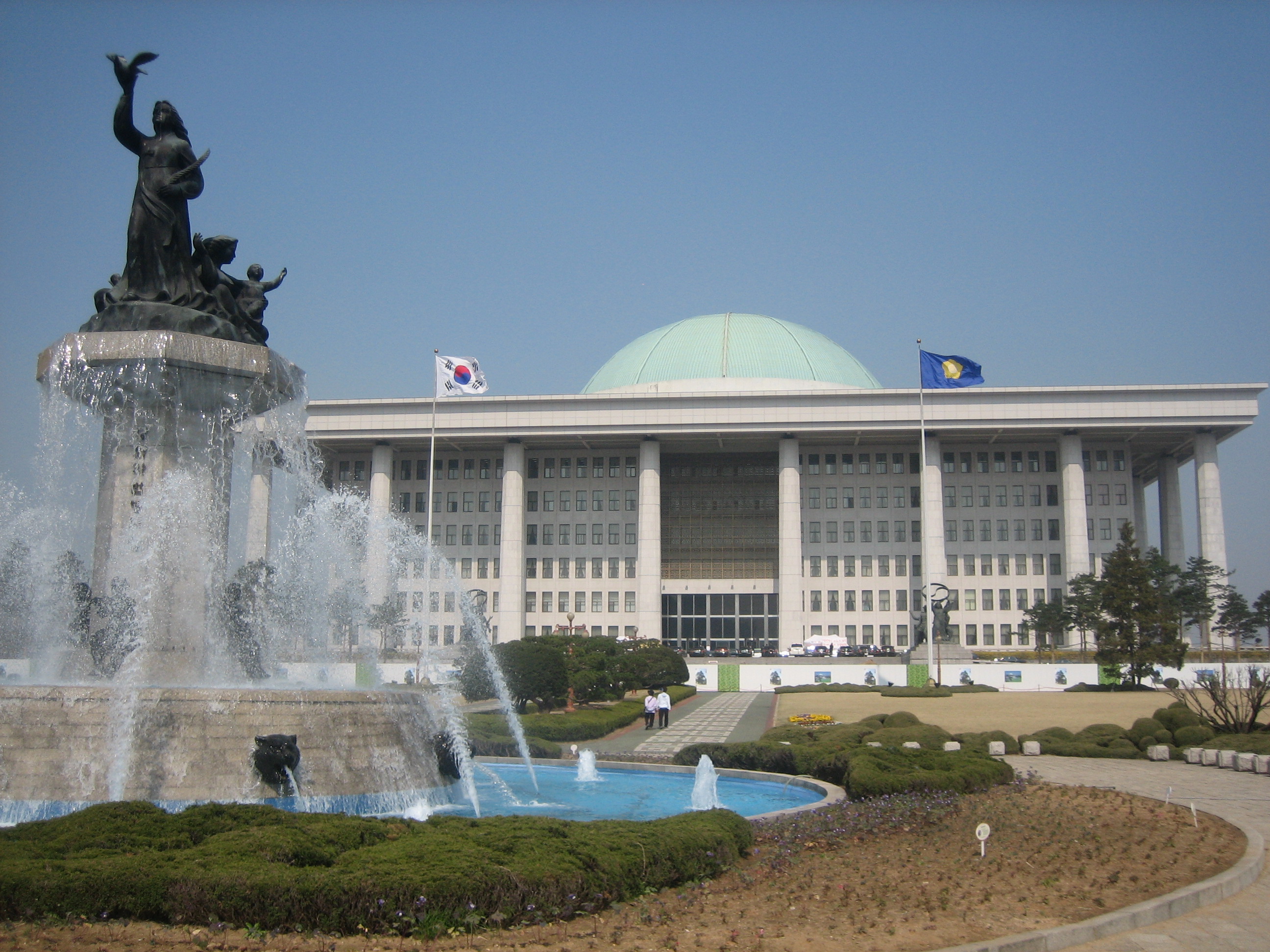
Ruling People Power Party lawmaker Park Seong-hun confirmed that the amendment was approved last month by the Strategic Finance Committee and now awaits review by the National Assembly’s Legislation and Judiciary Committee, with a final plenary vote expected later this year. “Products made from nicotine must be defined as tobacco and regulated accordingly,” Park said.
Deputy Prime Minister and Minister of Strategy and Finance Ju Yunzhe acknowledged growing concerns over the next generation of nicotine substitutes. “The harm of ‘tobacco-like substances’ to the human body has not yet been confirmed,” he said. “Therefore, if verified, these products can be considered as cigarettes, and I believe we should consider whether to tax or regulate them.”
The ministry confirmed that a separate bill has already been introduced to the National Assembly to expand the definition of “cigarettes” beyond tobacco and synthetic nicotine to include “nicotine-like” chemical substances. The bill would also prohibit deceptive marketing or labeling that claims such products are safer or tobacco-free.
If enacted, the combined measures would establish one of the most comprehensive tobacco regulation frameworks in Asia for South Korea, ensuring equal treatment for combustible tobacco, heated tobacco sticks, e-cigarettes, and synthetic nicotine products.
While the government views the proposal as a necessary update to the Tobacco Business Act—originally drafted before synthetic nicotine became common—the vaping industry warns that the new classification could significantly raise retail prices and compliance costs. Smaller domestic e-liquid producers, in particular, say the tax burden might push consumers back toward the gray market.
The amendment still needs full parliamentary approval, but if it passes, it would represent a decisive shift in South Korea’s approach to nicotine regulation—one targeting both traditional and emerging products as part of a broader effort to close tax loopholes and reduce youth vaping.