Top Takeaways:
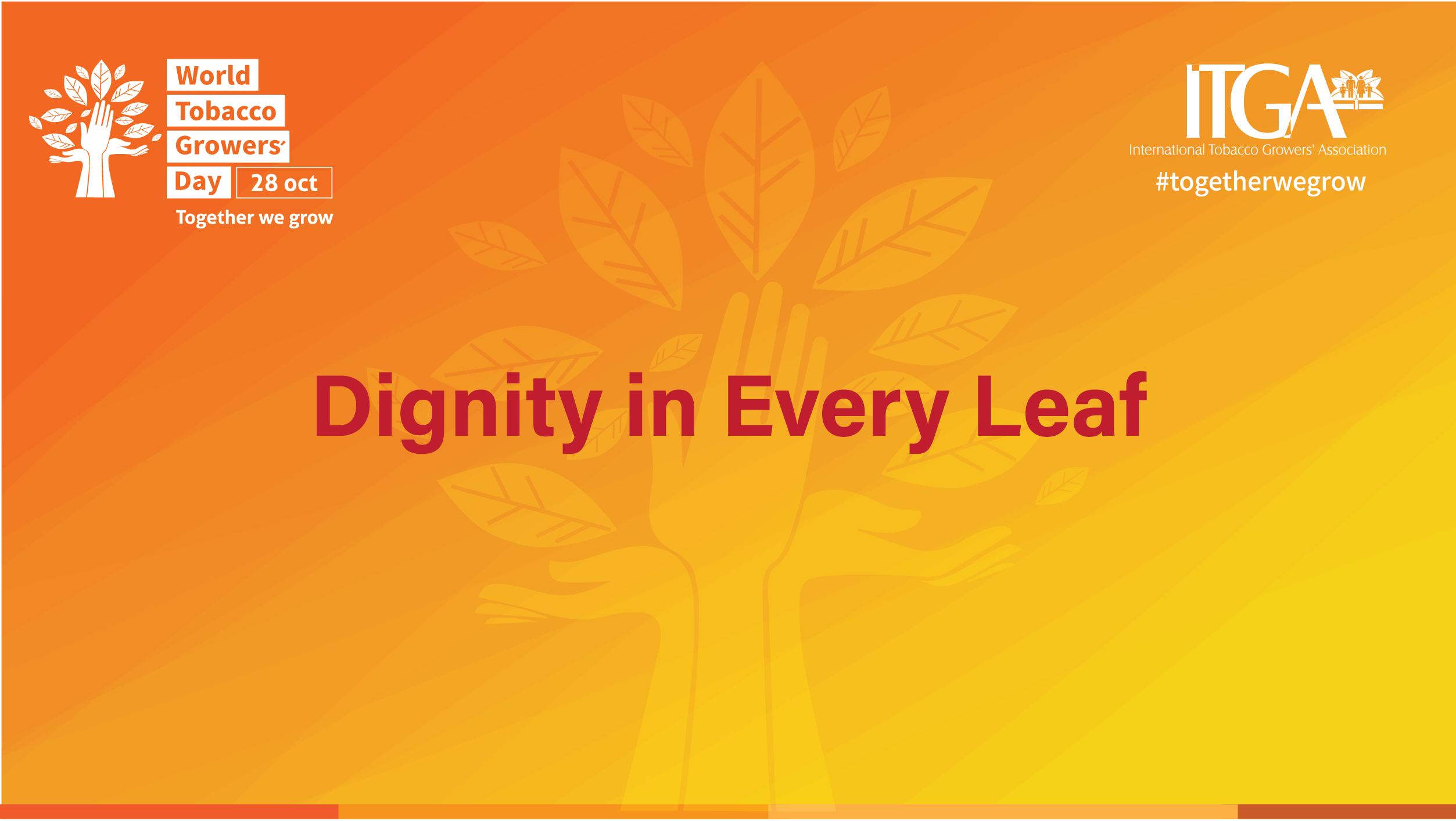
- World Tobacco Growers’ Day (WTGD) is observed annually on October 28 to recognize the contributions of millions of tobacco-cultivating communities worldwide.
- The Federation of All India Farmers’ Associations (FAIFA) and International Tobacco Growers’ Association (ITGA) led celebrations, emphasizing the need for decent incomes, sustainable livelihoods and respect for growers’ rights.
- Industry advocates used the occasion to underscore how current proposals under the WHO Framework Convention on Tobacco Control (FCTC) process could threaten tobacco-growing livelihoods if growers remain excluded from policymaking.
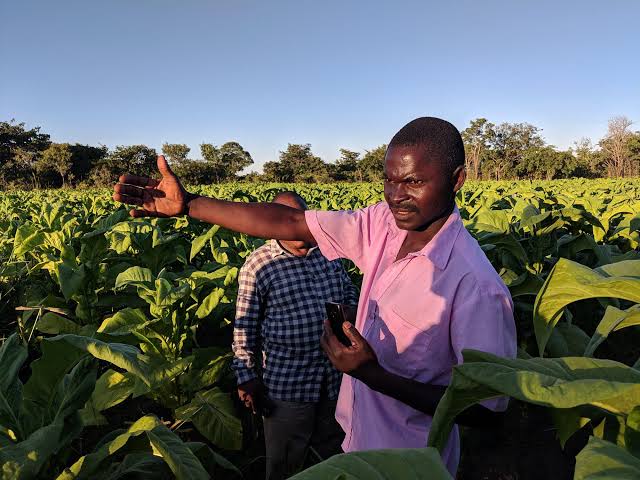
Tobacco farming is hard work. October 28 marked this year’s celebration of World Tobacco Growers’ Day (WTGD 2025), a well-earned global recognition for the millions of farmers who grow tobacco and support rural economies worldwide.
First established in 2012 by the International Tobacco Growers’ Association (ITGA), yesterday’s celebrations highlighted the cultural, economic, and social contributions of tobacco-growing communities—and the challenges farmers face with evolving regulations.
In India, organizers including the Federation of All India Farmers’ Associations collaborated with the ITGA to hold events in the tobacco belt near Mysuru, with Yashwanth Kumar C., Chairman of the Tobacco Board, participating in the ceremony at Chilkunda.
Local growers and associations emphasized the crop’s importance to rural livelihoods and export revenue, and called for policies that protect their ability to operate in a regulated market. “The growers’ work sustains communities and economies around the world,” ITGA stated in its campaign message, highlighting the day’s theme of “honoring tradition and empowering communities.”
Against this background, tobacco-growing stakeholders reiterated concerns that policy proposals emerging from the World Health Organization’s (WHO) Framework Convention on Tobacco Control (FCTC) negotiations could undermine grower rights and impose crop bans or cultivation restrictions without viable alternatives.
ITGA President José Javier Aranda, in an open letter to WTGD 2025, urged governments and the FCTC secretariat to involve growers directly, pointing out an imbalance in representation and a lack of transparency in decision-making. “Today is about raising our voice for fairness, for inclusion, for the right to be part of the decisions that directly affect our lives and our communities,” the letter states.
For many growers in India and an estimated 120 other countries, tobacco remains a legal and regulated crop that provides jobs, export profits, and participation in the value chain. Events in dozens of countries on WTGD also aim to raise public awareness of how regulatory changes and supply-chain disruptions—rather than just consumption—can affect farm-level outcomes.
As industry audience members and policy stakeholders around the nicotine-tobacco complex reflect on WTGD 2025, the event functions both as a celebration and a call to action: to align regulatory goals with the real-world needs of growers; to ensure sustainable value chains; and to give voice to the men and women who have cultivated tobacco for generations.
In India, FAIFA leadership emphasized that to secure the future sustainability of the sector, growers must be treated with dignity and assured of stable incomes. “Millions of growers… deserve to be treated with dignity,” FAIFA President P. S. Murali Babu said during WTGD events held in the Guntur region.
With the global conversation around nicotine-product regulation intensifying, this year’s observance of WTGD aims to make sure that the farmer’s voice stays part of the story—not just on October 28, but in every regulatory discussion that will influence the future of tobacco farming, supply chains, and rural livelihoods.