Top Takeaways:
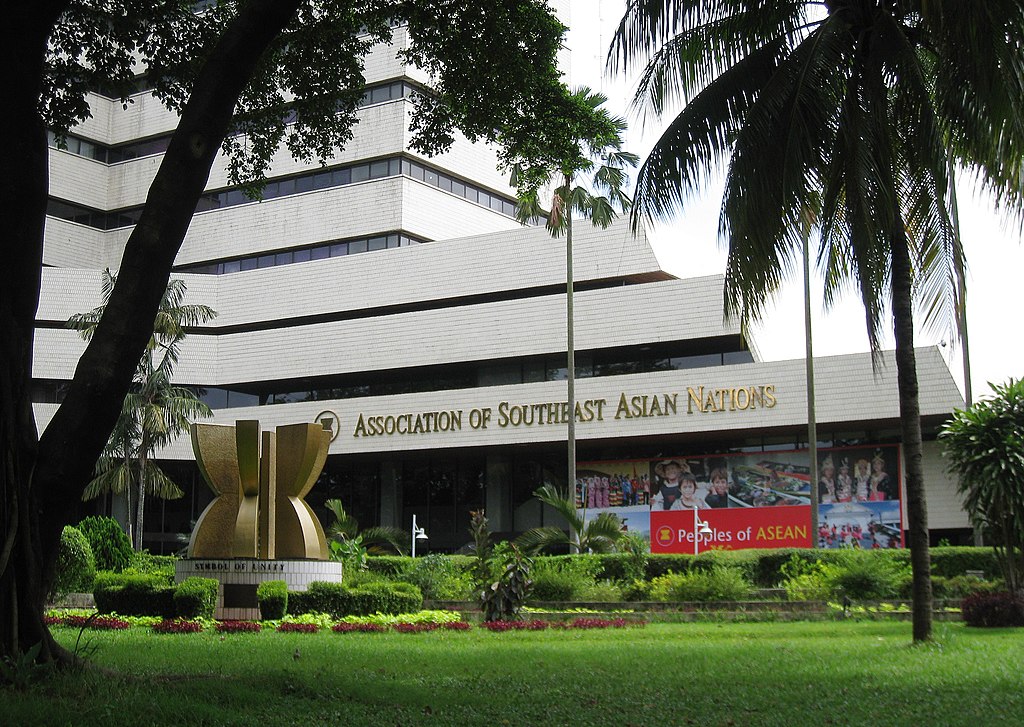
- ASEAN is on track to lose more than US$11B in tobacco tax revenue over three years due to illicit trade, CME reports.
- Indonesia, Malaysia, the Philippines and Thailand suffer the biggest fiscal hits, with illicit tobacco capturing up to 28% of some national markets.
- CME says the losses rob governments of funding for hospitals, schools and climate-readiness programs, calling the trend a threat to regional development.
Southeast Asian governments are expected to lose over US$11 billion in tax revenue in the next three years as illegal tobacco sales continue to increase across the region, according to new research from the Center for Market Education (CME). The report estimates that ASEAN member countries already lose US$3.69 billion annually in cigarette excise taxes—an amount nearly 8% of the region’s total annual health budgets.
CME states that the losses are particularly concerning as ASEAN countries strive to recover from fiscal pressures caused by COVID-19 and face global economic uncertainty. The organization warns that the missing revenue is more than just a budget shortfall; it is “a missed opportunity to invest in people and communities,” according to CME chief executive Dr. Carmelo Ferlito.
“Losing US$11 billion to illicit trade over three years is not merely a budgetary issue, it is a missed opportunity to invest in people and communities,” Ferlito said, noting the money could fund hospital expansions, modernized schools, and public-health or climate-resilience programs.
The report relies on publicly available data from seven ASEAN countries, concluding that fiscal losses are probably even greater due to widespread under-reporting and inconsistent enforcement capacity.
The Largest Fiscal Burdens
Across ASEAN, several markets are seeing double-digit levels of illicit tobacco, draining national budgets and complicating public health strategies.
Indonesia, the largest tobacco market in the region, loses about US$1.68 billion annually—more than US$5 billion over three years—due to illicit products making up over 10% of total consumption. CME highlights that these losses are comparable to the national Free Nutritious Meals (MBG) program, which has already cost IDR 20.6 trillion (about US$1.23 billion) to support 31.2 million people this year. Filling Indonesia’s current revenue gap could potentially expand MBG coverage by an additional 42.6 million beneficiaries.
Malaysia forgoes approximately US$770 million each year, nearly matching the government’s estimated annual savings of US$950 million from ongoing petrol subsidy reforms.
In the Philippines, illegal cigarette sales cost the government over ₱25 billion (US$440 million) annually—more than the ₱21 billion (US$370 million) calamity fund allocated for disaster preparedness and climate resilience.
Thailand, where illicit products are estimated to make up 28% of the market, loses about US$560 million each year, totaling nearly US$1.7 billion over three years.
CME emphasizes that these figures are conservative estimates because smuggling, counterfeiting, and cross-border leakage are often underreported.
Illicit Tobacco Linked to Organized Crime
The regional illegal tobacco trade is closely connected to larger criminal activities, according to CME and outside experts. Hayley van Loon, CEO of Crime Stoppers International, said the networks fueling illegal cigarette flow across ASEAN go well beyond just tobacco smuggling.
“These are not small-scale actors but part of organised syndicates, and illicit tobacco is a gateway to wider criminal economies that ultimately cost our societies far more than lost revenue alone,” van Loon said. She noted links between illicit tobacco and narcotics trafficking, human smuggling and counterfeit goods, all sharing routes, logistics and laundering networks.
While CME recognizes increased enforcement across ASEAN—such as joint operations, information-sharing efforts, and customs reforms—it warns that regional coordination is still uneven and needs to be strengthened urgently.
Ferlito said ASEAN governments can effectively reverse the trend if they strengthen cooperation, tighten border controls, enhance data-sharing protocols, and modernize customs procedures.
“Collectively, ASEAN can reclaim US$11 billion over three years—a transformational sum that could fund critical nation-building priorities,” he said.
CME argues that recapturing even a portion of the lost revenue would enable governments to expand health systems, invest in education, and bolster climate-resilience efforts without increasing taxes or cutting essential services.