Top Takeaways:
- Zimbabwe has planted more than 27,000 hectares of tobacco for the 2025–26 season, signaling a strong rebound after farmer-registration concerns earlier this year.
- The 2025 marketing season produced 352.7 million kg of leaf worth US$1.2 billion — one of the country’s strongest seasons on record.
- A surge in irrigated tobacco area and expanding small-scale farmer participation continue to reshape Zimbabwe’s role as Africa’s largest tobacco producer.
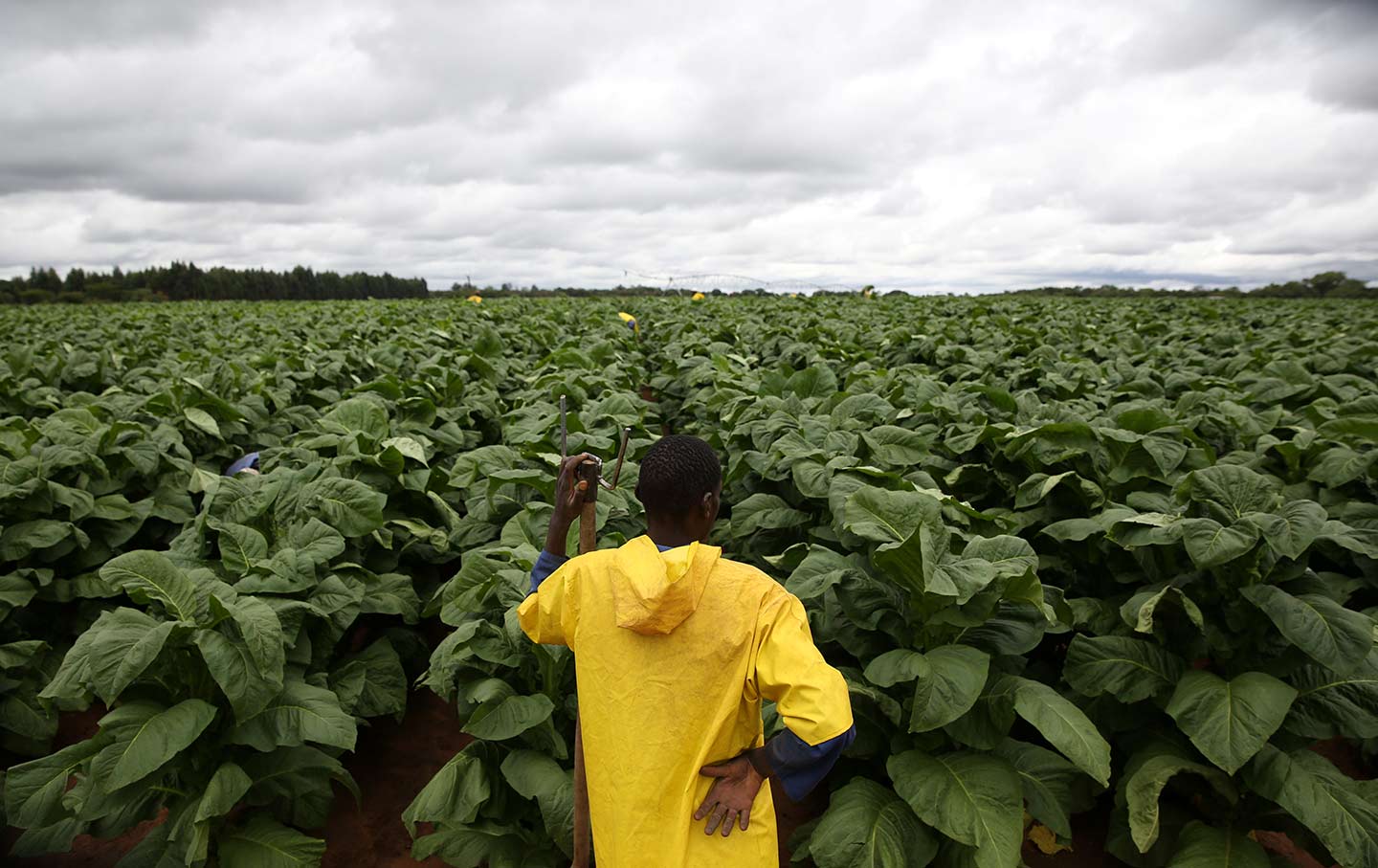
Zimbabwe’s Tobacco Industry and Marketing Board (TIMB) reports that the country has planted 27,215 hectares of tobacco for the 2025–26 season, marking a 22% increase from last season’s 22,392 hectares, which generated US$1.2 billion in leaf sales. The early-season expansion follows weeks of concern that delayed registrations could reduce plantings, as TIMB noted that only 66% of growers had registered before the deadline two weeks earlier.
Provincial growth was led by Mashonaland East, which saw a 41% increase in planted area. Manicaland increased by 17%, and Mashonaland West climbed 15.4%, according to TIMB. Midlands and Masvingo also posted significant gains, though from smaller bases. Officials say the broad-based increase indicates that farmers remain optimistic after one of Zimbabwe’s strongest tobacco seasons in more than a decade.
Zimbabwe harvested 352.7 million kilograms of tobacco in 2025, a significant increase from 2024, driven by favorable weather, better financing, and ongoing participation from small-scale growers. The crop brought in US$1.2 billion in sales, strengthening tobacco’s position as the country’s top foreign-currency earner and one of its key agricultural commodities.
TIMB also announced that 23,517 hectares of the new crop will be irrigated — a significant milestone during a time when climate variability continues to threaten rain-fed production. While some of TIMB’s internal figures differ slightly from other public reports, all sources agree that Zimbabwe significantly increased its irrigated tobacco area this year.
Separate government and TIMB data published in mid-October confirmed at least 20,867 hectares of irrigated tobacco already established, up about 24% from the previous season. Officials anticipate that the final irrigated total will keep rising as growers expand water infrastructure.
The reliance on irrigation is particularly significant considering the structure of Zimbabwe’s grower base. Small-scale farmers now produce more than 85% of the national crop, transforming the sector over the past decade. Tobacco supports over 160,000 households and accounts for more than half of Zimbabwe’s agricultural export earnings, according to longstanding government and industry estimates.
Early-season indicators point to strong commitment from growers. TIMB reported in June that farmers had purchased 482,565 grams of seed for the upcoming season, enough to establish over 96,000 hectares — far more than they ultimately planted — indicating widespread readiness among both contracted and independent growers. The final planted area usually decreases as many farmers hedge against weather patterns and input availability.
Zimbabwe remains Africa’s largest tobacco producer and ranks among the top six globally, supported by strong contract-farming programs, ongoing investment by traders, and high international demand. Industry analysts say the sector’s biggest challenges in 2025–26 will include climate resilience, access to long-term financing, and persistent pressure on small-scale farmers’ profitability due to rising input costs.
Despite those risks, TIMB officials say the early planting figures indicate a sector on stable footing. The combination of increased irrigated land, expanding provincial participation, and another strong marketing season has reinforced expectations that Zimbabwe will sustain its dominant position in Africa’s leaf-tobacco industry.