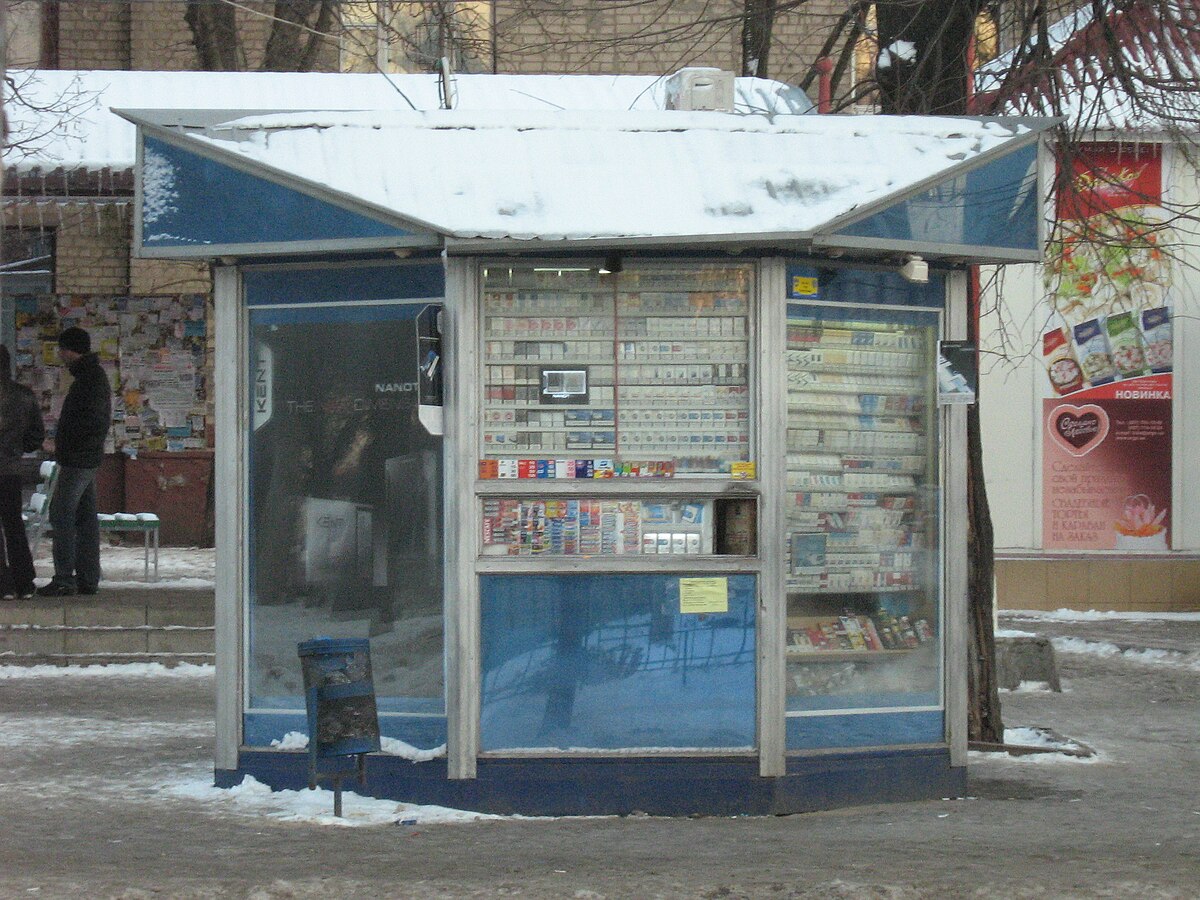
Top Takeaways:
- Cyprus kiosk owners say the EU’s 2028 tobacco tax overhaul will devastate small retailers and push consumers toward the island’s already-large illicit market.
- For the first time, e-cigarettes, heated tobacco, and nicotine pouches will face EU excise duties, doubling prices and reshaping the nicotine-product market.
- Cyprus’ geography and a 34% smoking rate make it highly susceptible to cross-border leakage, prompting the government to seek exemptions under the updated directive.
Tobacco and nicotine product kiosk owners in Cyprus warn about the EU’s planned tobacco-tax overhaul, saying that sharp price increases could harm small retailers and boost illegal trade across the island’s divided territory.
Under the EU’s updated Tobacco Taxation Directive, which comes into force in January 2028, cigarette prices in Cyprus could rise from €4.70 to about €7 (US$8.07) for a 20-pack. Rolling tobacco may increase from €7 to €13, and for the first time, e-cigarettes, heated tobacco products, and nicotine pouches will be subject to new excise taxes—effectively doubling their prices.
Representing the small retail sector, the kiosk owners’ association SYKADE told Parliament’s Commerce Committee that tobacco accounts for about 50% of kiosk revenue and that roughly 126 million cigarettes and 162 tons of tobacco are smuggled annually from the occupied north, costing the state at least €50 million in tax revenue.
SYKADE warns that additional legal increases could push more consumers into illegal channels and lead to more kiosk closures—claiming that 600 kiosks have shut down in the past decade.
Cyprus has one of Europe’s highest smoking rates at around 34% of adults, with 46% of men and 22% of women identified as current smokers, according to reports. The EU aims to lower prevalence to below 5% by 2040, integrating the bloc’s tax reform into a broader “Europe’s Beating Cancer Plan.”
From the tobacco-industry and nicotine-product stakeholder perspective, several implications stand out:
- The inclusion of e-cigarettes, heated tobacco and nicotine pouches in the taxation mandate signals a broadening regulatory scope that goes beyond conventional cigarettes.
- Small retail channels, particularly kiosks, face a disproportionate risk since their business models depend heavily on tobacco-product revenue and have limited margins to absorb price shocks.
The island’s distinctive geography, with its division and porous border to the north, heightens existing risks related to illicit trade. Policymakers will need to focus on enforcement, customs controls, and cross-border dynamics if they want to achieve tax-increase goals without causing unintended consequences.
EU official documents confirm the directive’s transitional period: the revised Tobacco Taxation Directive will take effect in 2028 with a four-year phase-in to help Member States adopt it smoothly. Several Member States, including Italy, Bulgaria, Greece, and Cyprus, have expressed concern that steep tax hikes could lead to a surge in smuggling rather than decreasing consumption.
For the broader nicotine industry, this development signals that regulation is becoming more product-agnostic—covering both combustible cigarettes and next-generation products (NGPs). Companies need to watch for changes in tax policies, prepare for shifts in pricing and supply chain logistics, and engage with enforcement and regulatory risk scenarios, especially in areas with high illegal trade.
In Cyprus, kiosk owners are explicitly asking the finance ministry to seek exemption or special status under the directive, citing “special economic or geographical conditions” due to the island’s division. SYKADE argues that in the current environment, “imposing new increases in legal taxes will not reduce consumption, but will dramatically boost smuggling and deprive the state of further revenue.”
As tax harmonization across the EU introduces new minimum excise thresholds, the nicotine industry should prepare for both regulatory and enforcement changes, and consider how retail channels, pricing strategies, and consumer behavior might adapt—especially in border regions or markets with high smuggling, like Cyprus.