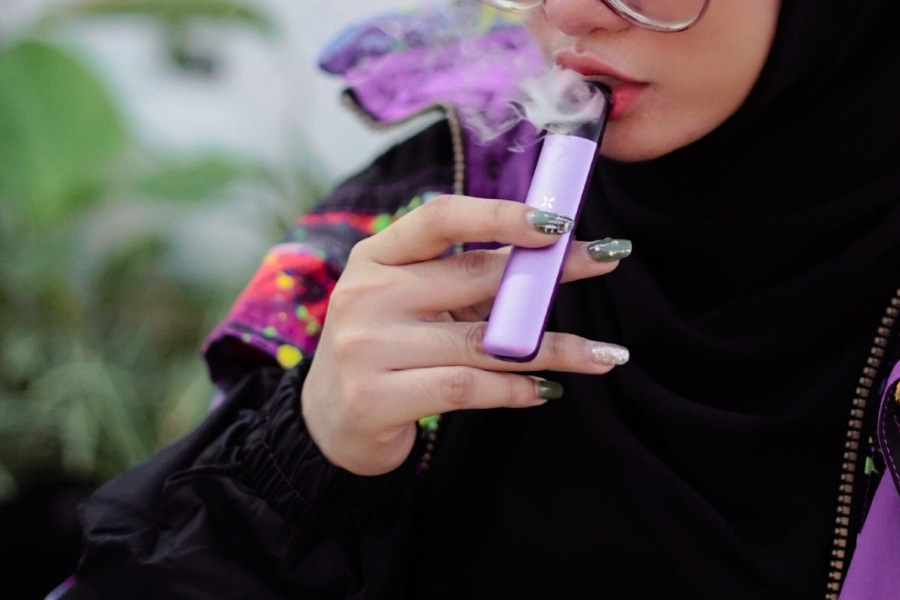
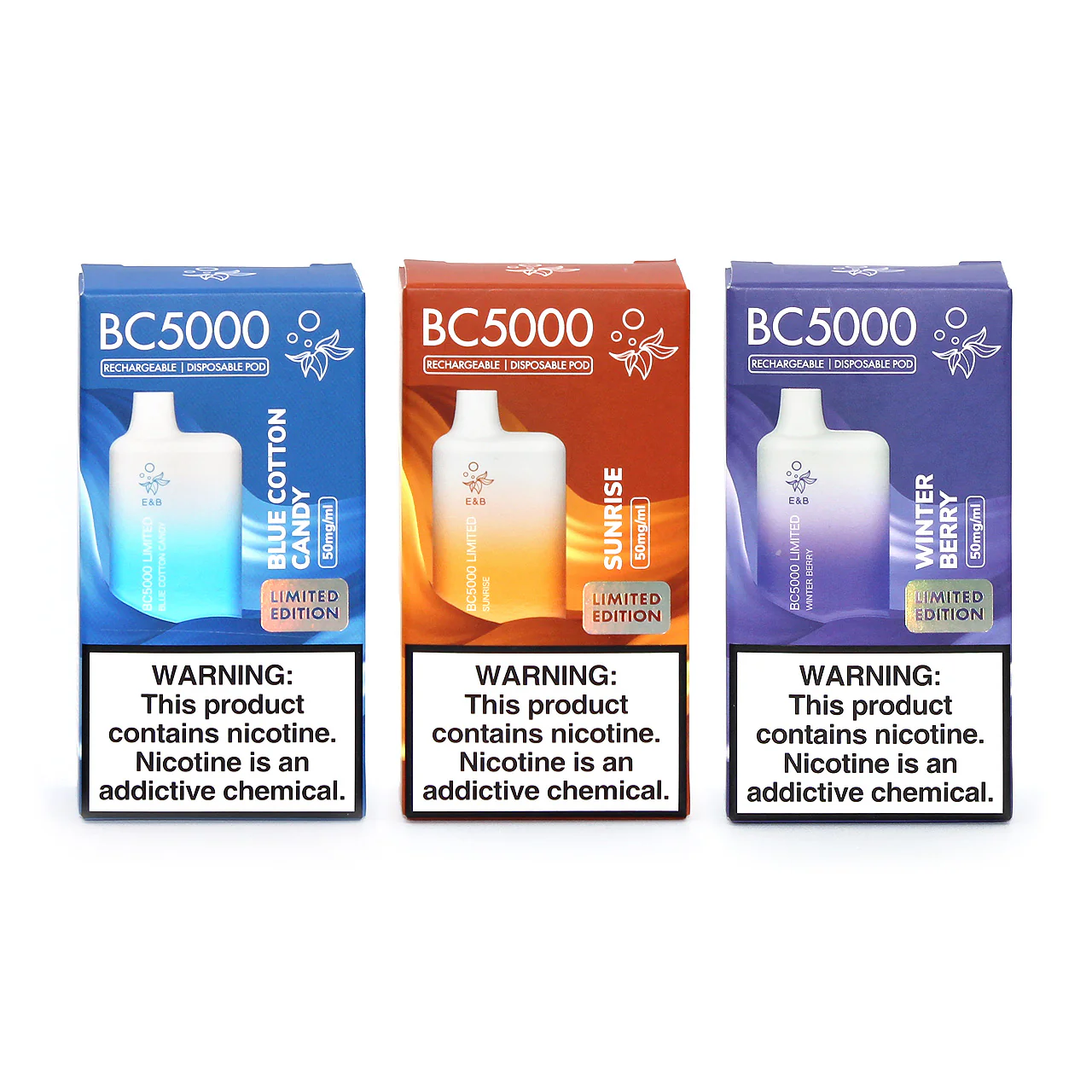
Uzbekistan has implemented some of the world’s strictest anti-vaping laws after President Shavkat Mirziyoyev signed legislation banning the sale, distribution, possession, and use of e-cigarettes and vape e-liquids, according to Oxu.Az and the Ministry of Justice.
The law—approved by parliament earlier this year and which went into effect on November 27—amends the national Law on Restricting the Distribution and Consumption of Alcohol and Tobacco Products to explicitly ban all forms of electronic nicotine delivery systems and their liquids. Authorities described the measure as a public health safeguard aimed at reducing youth access and addressing enforcement gaps in existing tobacco regulations.
Under the new criminal laws, manufacturing, transporting, selling, or otherwise distributing e-cigarette products illegally now results in severe penalties. Offenders could face fines of 300–500 basic calculation units—approximately US$10,300–17,200—or two to three years of corrective labor, according to the Justice Ministry. Repeated or large-scale violations can lead to imprisonment for three to five years or restricted freedom.
In an unusual provision, the ministry noted that individuals who voluntarily surrender banned devices or liquids may be exempt from prosecution, signaling a planned transitional sweep to remove products from the market.
Uzbekistan’s decision places the country at the extreme end of the regulatory spectrum at a time when several neighboring Central Asian countries are tightening e-cigarette regulations but stopping short of outright bans. Lawmakers said the ban was driven by concerns over the rapid increase in youth usage and what officials called misleading marketing of vaping products as safer alternatives to smoking.
The law’s passage follows a multistep legislative process: adoption by the lower chamber in January, approval by the Senate in April, and presidential signature this week. Enforcement mechanisms have not yet been publicly detailed, but the government states the ban will be integrated into existing tobacco-control and public-order frameworks and overseen by law enforcement and health authorities.
Officials emphasized that the prohibition aims to strengthen the national tobacco-control system and protect public health, adding that upcoming regulatory guidance will specify compliance requirements for retailers, logistics operators, and consumers.
Uzbekistan now joins a small group of countries—including India and Thailand—that have chosen to impose full criminal bans rather than regulate vaping products. This trend is closely monitored by the global tobacco and nicotine industry as governments reevaluate youth usage, illicit trade risks, and the role of harm-reduction products in public health policy.