Top Takeaways:
- Zimbabwe earned US$1.1B from tobacco exports January–November, up from US$1B last year despite lower volumes.
- Far East markets dominated demand, buying 89.1M kg worth US$630.7M at strong price levels.
- Tobacco remains Zimbabwe’s largest export earner, contributing roughly 30% of total exports and driving future processing investment goals.
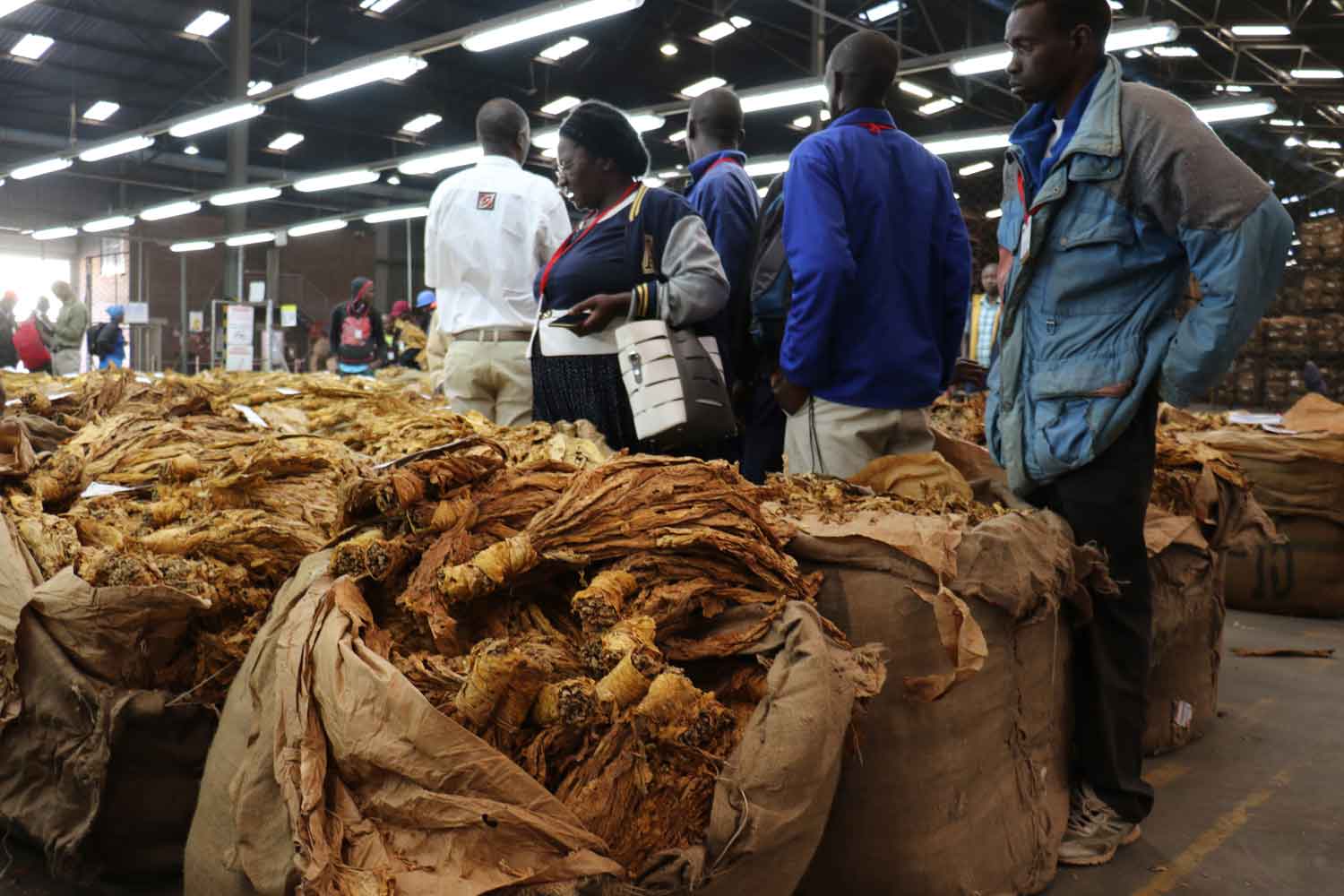
Zimbabwe earned US$1.1 billion from 201.4 million kg of semi-processed tobacco exports between January and November, according to new figures from the Tobacco Industry and Marketing Board (TIMB). That compares with US$1 billion from 208.4 million kg over the same period in 2024, reflecting slightly lower volumes but higher average prices across most markets.
The Far East, mainly China, continued to be Zimbabwe’s leading buyer and top regional market by volume, importing 89.1 million kg valued at US$630.7 million, with an average of US$7.08 per kg. Demand from Africa increased, with 33 million kg purchased for US$154.6 million, while the Middle East bought 30 million kg worth US$88 million.
The European Union imported 27.2 million kg at an average price of US$5.83 per kg, while the rest of Europe took 12.8 million kg at US$5.09 per kg. The Americas accounted for 9.1 million kg. Although Oceania remained a small-volume destination, it paid the highest average price at US$8.45 per kg.
Tobacco remains Zimbabwe’s top agricultural export and a vital source of foreign currency. The sector earned US$1.3 billion in 2024, making up about 30% of the country’s total export earnings, according to official trade data. Despite efforts to diversify agriculture, tobacco continues to play a significant role in export income and rural employment, supporting over 150,000 smallholder farmers.
The 2025 marketing season achieved record leaf volumes, driven by expanded contract growing and better auction throughput. Continued strong demand for Zimbabwe’s flue-cured grades has helped offset lower prices for lower-grade leaf and variability caused by tighter financing conditions for leaf buyers.
Sector regulators and industry groups have repeatedly emphasized that Zimbabwe gains limited value from its tobacco crop because most exports leave the country semi-processed. TIMB has stated that increasing domestic processing capacity remains a priority, with the government aiming for 30% processing of local leaf in the coming years. Currently, only 10–15% of Zimbabwe’s tobacco is processed locally, leaving most of the value-added work to overseas manufacturers.
With output projected to remain above 300 million kg in the coming seasons, analysts say the combination of higher global demand and rising domestic processing investment—such as new cut-rag and cigarette-production facilities—will determine how much of the sector’s earnings Zimbabwe can retain locally.