
By Timothy S. Donahue
Top Takeaways:
- WHO FCTC COP11 reinforced calls for governments to use Article 19 to seek civil and administrative remedies from tobacco companies for health costs.
- An Israeli legal expert estimates that potential tobacco-related claims could exceed NIS 40 billion ($12.4 billion), citing high smoking rates and the public healthcare burden.
- Although Israel has strengthened tobacco regulation, it has not yet pursued large-scale tobacco litigation, leaving liability actions an open but politically sensitive option.
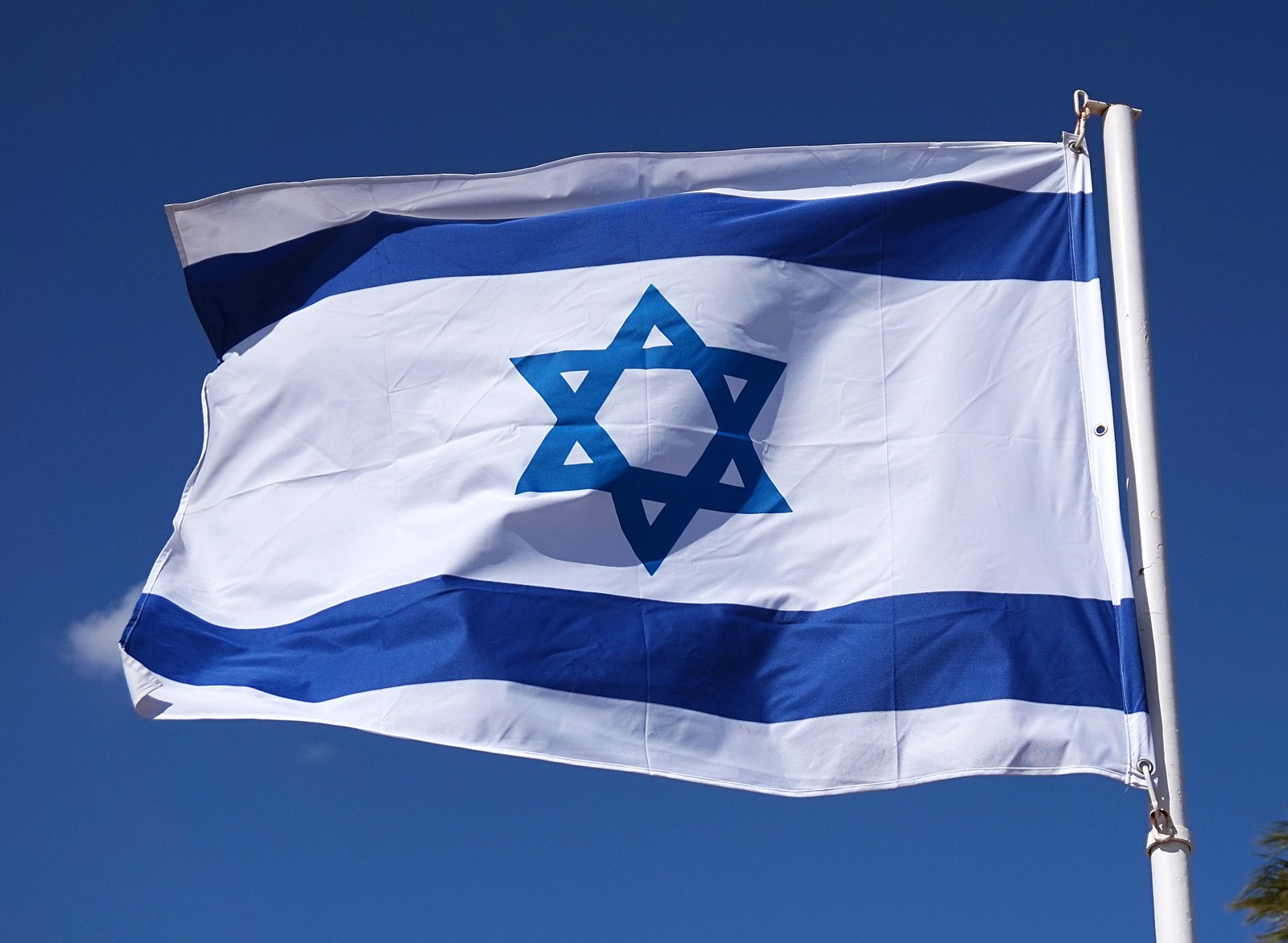
Israel could face significant legal and financial exposure for tobacco companies, according to Israeli legal experts, amid renewed international pressure urging governments to pursue civil liability claims to recover smoking-related health costs.
The issue gained momentum after the World Health Organization’s Framework Convention on Tobacco Control (FCTC) reaffirmed and strengthened its call for implementing Article 19 at the treaty’s eleventh Conference of the Parties (COP11), held in Geneva late last year. Article 19 urges governments to consider civil and administrative action against the tobacco industry for health harms caused by tobacco use.
Although COP11 did not amend the treaty, parties adopted decisions and guidance that encouraged more active use of Article 19, including the recovery of public health expenditures related to tobacco-related disease and addiction. Public health advocates have increasingly framed litigation as a complementary tool alongside taxation, regulation, and advertising restrictions.
In Israel, such action could have substantial financial implications. Attorney Amos Hozner told Israeli media outlet Arutz Sheva that potential claims could exceed 40 billion shekels (US$12.4 billion), citing the country’s smoking prevalence and the burden tobacco-related illness places on the public health system.
“Israel has a smoking rate of more than 20%, and the state bears enormous healthcare costs as a result,” Hozner said. “Article 19 gives governments a clear basis to seek compensation from tobacco companies through civil and administrative proceedings.”
Israel is a party to the WHO FCTC and has implemented a range of tobacco control measures over the past decade, including plain packaging requirements, expanded advertising bans, and higher excise taxes. However, it has not pursued large-scale civil litigation against tobacco manufacturers comparable to lawsuits brought in countries such as the United States or Canada.
The renewed focus on Article 19 comes as governments worldwide face rising healthcare costs and budget pressures, while smoking rates in certain demographic groups remain stubbornly high. Hozner noted particularly elevated tobacco use among young people in Israel’s ultra-Orthodox (haredi) community.
According to data cited by Hozner, as many as 54% of yeshiva students and up to 80% of secondary school students in the community have tried smoking. He added that around 56% of Israelis aged 17 to 24 smoke regularly. If accurate, those figures would place Israel among countries with the highest youth smoking rates in the developed world.
Public health experts warn that early initiation significantly increases the risk of long-term nicotine dependence and chronic disease, thereby driving future healthcare expenditures. Article 19 of the FCTC explicitly recognizes liability as a means to hold the tobacco industry accountable for these harms.
At COP11, parties were urged to remove legal and procedural barriers that hinder governments’ ability to bring claims, share best practices in tobacco litigation, and strengthen cooperation among health, justice, and finance ministries. The conference also highlighted the role of industry misconduct—including misleading marketing and product design—in contributing to addiction and disease.
Any move by Israel to pursue tobacco litigation would likely face strong industry resistance and could lead to lengthy legal battles. Tobacco companies have historically argued that smoking is a matter of personal choice and that they operate within existing regulatory frameworks.
Nonetheless, legal analysts say the political signal from COP11 intensifies pressure on governments to at least consider liability options. “The treaty doesn’t force countries to sue,” Hozner said, “but it clearly encourages them to stop treating tobacco harm as an unavoidable cost and start treating it as damage caused by commercial actors.”
Whether Israel will move from discussion to action remains uncertain, but the renewed emphasis on Article 19 suggests that tobacco liability is returning to the global policy agenda—this time framed less as an exception and more as a standard tool of tobacco control.


