Top Takeaways:
- Omaha Tribe backs LB1037 to require good-faith tobacco compact talks.
- Tribe says Pillen/Hilgers stalled talks over tribal marijuana policy.
- Compact would let tribe keep a cut of reservation tobacco tax revenue.
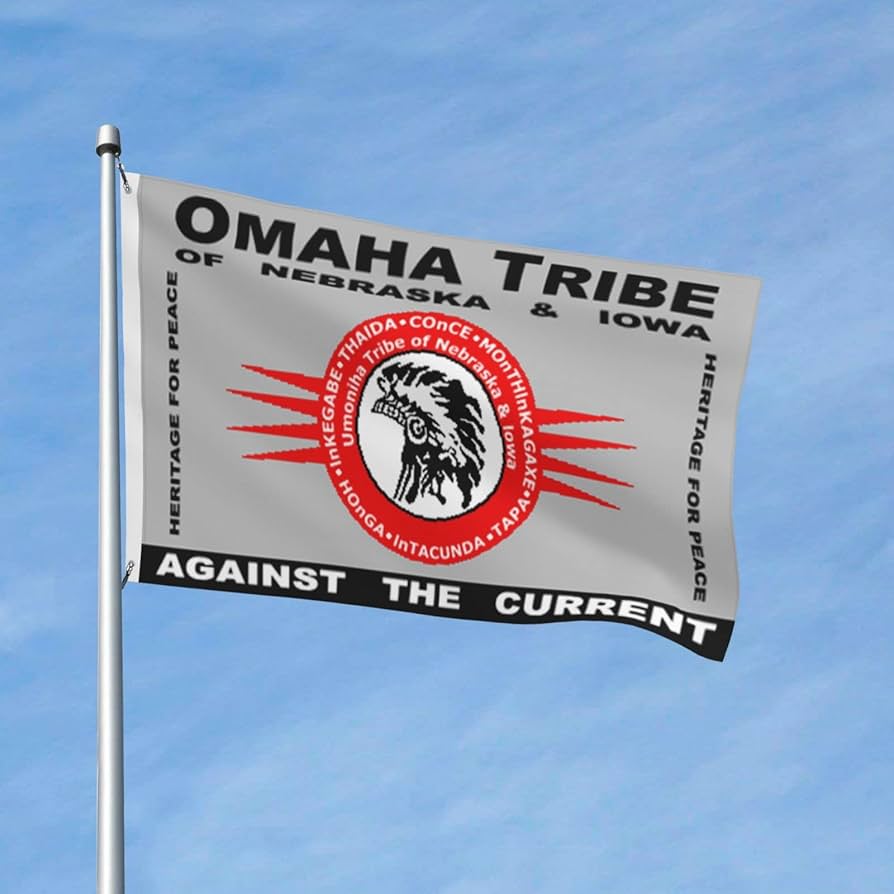
The Omaha Tribe of Nebraska seeks to require Nebraska’s governor to negotiate a tobacco tax compact in good faith, alleging that state officials have stalled discussions by citing unrelated issues — including the tribe’s effort to legalize marijuana within its borders.
The proposal, Legislative Bill 1037 (LB1037), would amend Nebraska statute governing compacts between the governor’s office and federally recognized tribes, shifting language that currently allows the governor to negotiate to a framework requiring negotiations in good faith, tribal officials said.
The tribe and Gov. Jim Pillen’s administration have been at odds over a potential tobacco tax compact that would have the state and the tribe split tax revenue from tobacco sales on the Omaha Reservation — a deal that could bring the tribe hundreds of thousands of dollars annually, tribal leaders said at a State Capitol press conference on Jan. 15.
Tribal Attorney General John Cartier said Nebraska officials have stalled compact negotiations after the Omaha Tribal Council voted in July to legalize medical cannabis and adult-use recreational marijuana, characterizing the state’s approach as retaliation.
“The current statute says the governor may enter into negotiations with the various Nebraska tribes,” Cartier said at the press conference. “We want to change that into language that states the governor shall enter into good-faith negotiations where they cannot use unrelated topics to use unnecessary leverage for those talks.”
Hilgers’s office has previously signaled it may increase policing along the reservation border in response to the tribe’s marijuana law, Cartier said, urging state leaders to pursue negotiation rather than escalate enforcement.
Pillen’s office did not respond to a request for comment from media, which first reported the legislation. A Hilgers spokesperson said only that the office is reviewing the proposal as part of its normal legislative process.
Cartier said a tobacco compact would allow the tribe to retain a portion of the tax revenue from tobacco sales within reservation boundaries. Under current arrangements, Nebraska collects the full amount, including payments from the nationwide tobacco settlement, which has required participating tobacco companies to make annual payments to states since the late 1990s.
Cartier also said the state has long retained tobacco tax revenue — as well as alcohol and fuel tax revenue — derived from commerce on tribal lands, and he framed the compact push as an effort to secure a “fair share.”
Meanwhile, the tribe says it continues to implement its cannabis policy. Cartier said the tribe has begun reviewing applications from tribal members seeking to operate cannabis dispensaries and plans to establish tribally run dispensaries, with operations expected to be up and running by the fourth quarter of 2026.