By Timothy S. Donahue
Top Takeaways:
- Illicit trade crackdown: HB 6965 would criminalize possession and trade of unstamped or untaxed cigarettes, with possession treated as evidence of a violation.
- Harsher penalties proposed: The bill targets organized and large-scale smuggling with stiffer sanctions under tax and customs laws.
- Revenue and health focus: Lawmakers say stronger enforcement is needed to protect excise tax revenues, compliant businesses, and public health programs.
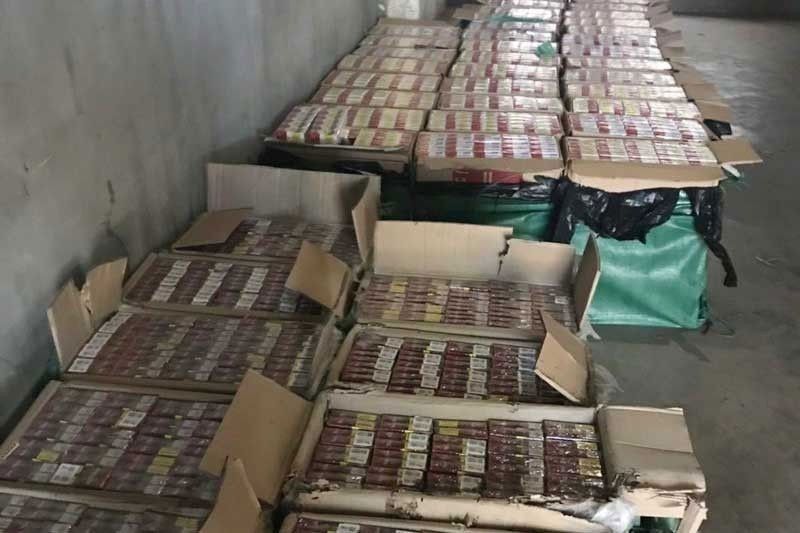
A bill filed in the Philippine House of Representatives aims to significantly increase penalties for illegal cigarette importation and smuggling, as lawmakers seek to close enforcement gaps that continue to undermine excise tax collection and the legitimate tobacco trade.
House Bill 6965, titled the proposed Anti-Illicit Cigarette Import Trade and Smuggling Act, would amend both the National Internal Revenue Code and the Customs Modernization and Tariff Act. The measure would explicitly criminalize the importation, manufacture, sale, transport, storage, or possession of cigarettes for which excise taxes have not been fully paid or that lack the required tax stamps.
Under the bill, possession of unstamped or untaxed cigarettes would constitute prima facie evidence of a violation, shifting the evidentiary burden in enforcement actions and giving authorities broader latitude to pursue cases without first proving intent to smuggle. The proposal also introduces stiffer penalties for organized, syndicated, and large-scale smuggling operations, reflecting concerns that the illicit cigarette trade has become increasingly coordinated and sophisticated.
Rep. Nathaniel Oducado of the 1Tahanan party, the bill’s author, said the legislation aims to protect government revenues, level the playing field for compliant manufacturers and retailers, and curb public health risks associated with unregulated tobacco products. Illicit cigarettes, he argued, deprive the state of billions of pesos in excise taxes while circulating products that evade quality controls and youth-access safeguards.
The filing comes amid renewed attention to tobacco tax enforcement in the Philippines, where excise taxes are a major funding source for healthcare and universal health coverage programs. Despite repeated increases in tobacco taxes over the past decade, enforcement agencies have reported persistent smuggling and counterfeit activity, particularly in coastal and border regions.
If enacted, HB 6965 would strengthen the legal tools available to customs and revenue authorities, aligning penalties more closely with the economic harm caused by the illicit cigarette trade. The bill has been referred to committee and will need to move through the regular legislative process before it can advance.