By Timothy S. Donahue
Top Takeaways:
- Lower tax proposed: South Carolina lawmakers moved forward with legislation to tax heated tobacco products at half the rate of cigarettes.
- New vape tax added: Senators amended the bill to establish the state’s first tax on vaping liquids — 5 cents per milliliter.
- Market not yet active: Heated tobacco products are not currently sold in South Carolina after a patent dispute stopped their earlier sales in 2021.
A South Carolina Senate committee has approved legislation that would reduce the state’s tax on heated tobacco products by half while also establishing a new tax on vaping liquids.
The proposal would tax heat-not-burn (HnB) sticks at 28.5 cents per pack of 20, which is half of the state’s 57-cent per pack cigarette tax. The bill previously passed the South Carolina House with a 93–6 vote last year.
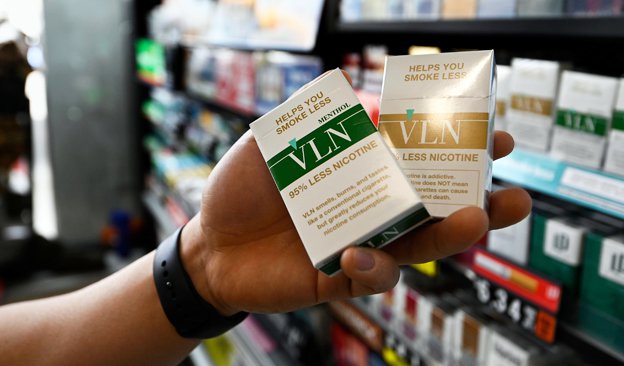
Lawmakers also added a provision to impose a 5-cent-per-milliliter tax on vaping e-liquids, which currently do not have a specific excise tax under state law. Since many vapes contain nicotine but not tobacco leaf, they are only subject to regular sales taxes for now.
State fiscal analysts estimate that the heated tobacco tax would generate approximately $7 million annually, depending on product availability, while the new vape tax could bring in about $14 million per year, with the funds allocated to South Carolina’s Medicaid Reserve Fund.
Heated tobacco products—commonly known as “heat-not-burn” devices—are currently not found on South Carolina store shelves.
In 2021, Philip Morris International briefly sold its IQOS heated tobacco device in Charleston and Myrtle Beach with authorization from the U.S. Food and Drug Administration, but a patent infringement lawsuit stopped sales later that year. The devices haven’t returned to the state since.
IQOS is currently sold in several U.S. markets including Florida, Texas and Mississippi, according to the company.
The FDA has authorized IQOS as a modified risk tobacco product (MRTP), permitting the company to state that adult smokers who switch completely from cigarettes to the product can decrease their exposure to harmful chemicals. However, the authorization does not permit claims that the product reduces the risk of tobacco-related diseases.
Public health organizations, including the American Heart Association and the American Cancer Society, opposed the tax change, arguing that all nicotine products carry health risks and that lowering taxes on heated tobacco could promote use.
Still, the Senate panel unanimously approved advancing the proposal.
Sen. Tom Davis, R-Beaufort, who introduced a separate bill proposing an even lower tax rate, argued that excise taxes should mirror the relative harm of products.
“The very purpose of an excise tax is to correlate the amount of tax with a degree of harm relative to a common product,” Davis said.
South Carolina has historically kept some of the lowest tobacco taxes in the U.S. The state’s 57-cent-per-pack cigarette tax, introduced in 2010, ranks as the fourth lowest nationwide, significantly below the average of about $2.05 per pack.
Debate persists over whether heated tobacco products decrease cigarette smoking. Industry-supported research in markets like Japan and Europe indicates some smokers switch to these devices, while public health advocates point out that many users continue smoking cigarettes alongside heated tobacco products.
The legislation still needs to pass the full Senate before moving to the governor’s desk.