By Timothy S. Donahue
Top Takeaway:
Tax stamp rollout: Guam has begun enforcing a long-delayed 2017 law requiring cigarette tax stamps to verify excise taxes.
Industry cost debate: Lawmakers are considering legislation that would increase the tax discount for wholesalers to offset the cost.
Revenue concerns: Government budget officials warn that the proposed tax discount could decrease funding for Guam’s Healthy Futures Fund.
Guam has started implementing a long-delayed cigarette tax stamp program, launching a new system designed to ensure tobacco excise taxes are properly collected while lawmakers debate a related proposal that could cut tax revenue.
The Department of Revenue and Taxation (DRT) announced that the program has been successfully launched after a pilot run conducted in partnership with Guam’s four licensed cigarette wholesalers: Ambros Inc., MidPacific Liquor Distributors Corp., TOR Distributors Guam Inc., and Western Sales Trading Co.
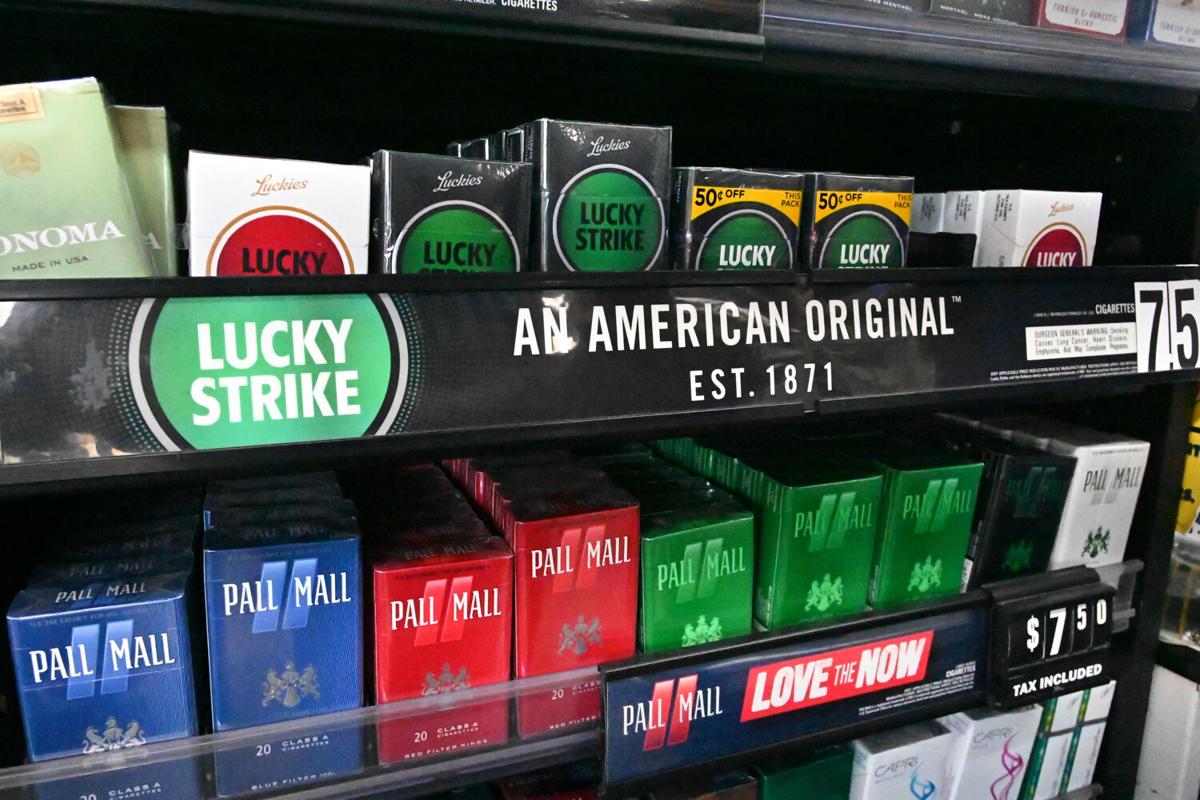
Under the initiative, cigarette packs sold on Guam will now feature small blue tax stamps attached to the bottom of each pack, enabling regulators and retailers to confirm that excise taxes have been paid. The requirement comes from legislation enacted in 2017 that mandates wholesalers to attach tax stamps to tobacco products before distribution. The law was introduced by former Sen. Michael San Nicolas, but it took almost nine years to fully implement.
“Cigarette buyers will now start seeing cigarette packs with small blue stamps affixed to the bottom of each pack sold at store shelves,” DRT said in its announcement. Products sold on U.S. military bases and at the duty-free shop at A.B. Won Pat International Airport are exempt from the stamp requirement.
Guam currently levies a $4 tax per pack of cigarettes, 58 cents per standard cigar, and $53 per pound on other tobacco products, according to DRT. The agency stated that the territory’s cigarette tax is the sixth-highest in the United States. Officials say the stamp system will strengthen enforcement and help combat untaxed tobacco sales.
Retailers must inspect deliveries to verify the presence of tax stamps. Any unstamped products should be returned to wholesalers within seven days. Distributing or selling unstamped tobacco products may lead to civil or criminal penalties.
DRT Director Marie Lizama credited the island’s wholesalers and retailers for supporting the rollout. “They have been an integral part of the planning and implementation of the tax stamps,” Lizama said. “Our retailers have also been pivotal in the successful launch of this initiative. We value the importance of our partnerships with them and their continued compliance with the law.”
The launch of the tax stamp system coincides with ongoing debate over Bill 205-38, introduced by Sen. Joe San Agustin, which would increase the tax discount available to wholesalers for affixing stamps. The bill proposes increasing the discount from 0.04% (4 cents per pack) to 3.75% (15 cents per pack) to cover the costs of purchasing and operating the stamping equipment.
San Agustin said the measure aims to compensate companies that now have to operate their own stamping systems. According to lawmakers, the machines used to produce and apply tax stamps cost nearly $200,000 each, in addition to staffing, climate control requirements, and specialized maintenance from technicians outside Guam.
The proposal has received mixed reactions from government officials. The Office of Finance and Budget warned that the tax discount might decrease revenue flowing into the Healthy Futures Fund, which finances public health programs including tobacco prevention initiatives and the Guam Cancer Trust Fund.
In a memo to lawmakers, Budget Director Stephen Guerrero stated that the measure might worsen the decline in tobacco tax revenues. “This proposed bill may potentially cause a further reduction in collections in the Healthy Futures Fund and adversely affect the funding for the Government of Guam,” Guerrero wrote.
According to government data, the Healthy Futures Fund received an average of $33.3 million annually from tobacco tax revenues between fiscal years 2020 and 2024. Officials say the tax stamp system is designed to improve compliance and prevent tax losses that have been identified in previous Office of Public Accountability audits, which estimated millions of dollars in unpaid tobacco taxes.
DRT also urges consumers to report suspected violations involving unstamped tobacco products to the agency’s compliance division. Meanwhile, public health officials continue to promote smoking cessation resources, including the Guam Tobacco Quit Line (1-800-QUIT-NOW), as part of broader efforts to reduce tobacco use on the island.