By Timothy S. Donahue
Top Takeaways:
Diplomatic talks begin: Havana is holding preliminary discussions with the Trump administration over possible economic and political agreements.
Cigar market implications: Any normalization of trade could have major implications for the global cigar industry, including potential access to the U.S. market, which has been closed to Cuban cigars since 1960.
Prisoner release announced: Cuba also confirmed it will release 51 prisoners as part of a Vatican-brokered arrangement.
Cuban President Miguel Díaz-Canel confirmed on March 13 that his government is engaging in discussions with the Trump administration, indicating a possible change in U.S.–Cuba relations that could have major economic effects on various industries, including tobacco.
Díaz-Canel made the announcement during a nationally broadcast address and later at a press conference in Havana, describing the talks as early-stage efforts to resolve long-standing differences between the two countries. “These conversations have been aimed at seeking solutions through dialogue to the bilateral differences that exist between our two nations,” Díaz-Canel said.
The White House has not publicly commented on the reported discussions, but multiple reports suggest U.S. officials are exploring potential economic agreements with Cuban authorities. For In the premium cigar industry, any normalization of relations between Washington and Havana could have major implications.
Cuban cigars have been effectively banned from the United States since Oct. 19, 1960, when the U.S. enforced a trade embargo on Cuban goods following the island’s communist revolution and subsequent nationalization of private industry.
Although limited travel exemptions briefly allowed Americans to bring small quantities of Cuban cigars into the U.S. during the Obama administration’s détente in 2016. The first Trump administration reversed that policy in June, 2017. If trade barriers were lifted or significantly eased, the United States — the world’s largest premium cigar market — would become accessible to Cuba’s state-run tobacco industry for the first time in over 60 years.
Cuba’s premium cigar industry, managed by Habanos S.A., already ships millions of cigars each year to Europe, Asia, and other global markets, but industry analysts often point out that reopening the American market could significantly increase demand for Cuban cigars and alter global distribution patterns.
A wider economic opening could also directly benefit Cuba’s tobacco production sector. The island’s cigar industry has struggled with ongoing logistical and infrastructure issues, such as electricity shortages, transportation disruptions, and fuel supply constraints.
Díaz-Canel pointed out those pressures during his speech, noting that no fuel shipments have arrived in Cuba for about three months because of ongoing supply disruptions. Better relations with the United States could help stabilize essential supplies like electrical power, food and shipping, letting cigar factories and farms run more smoothly.
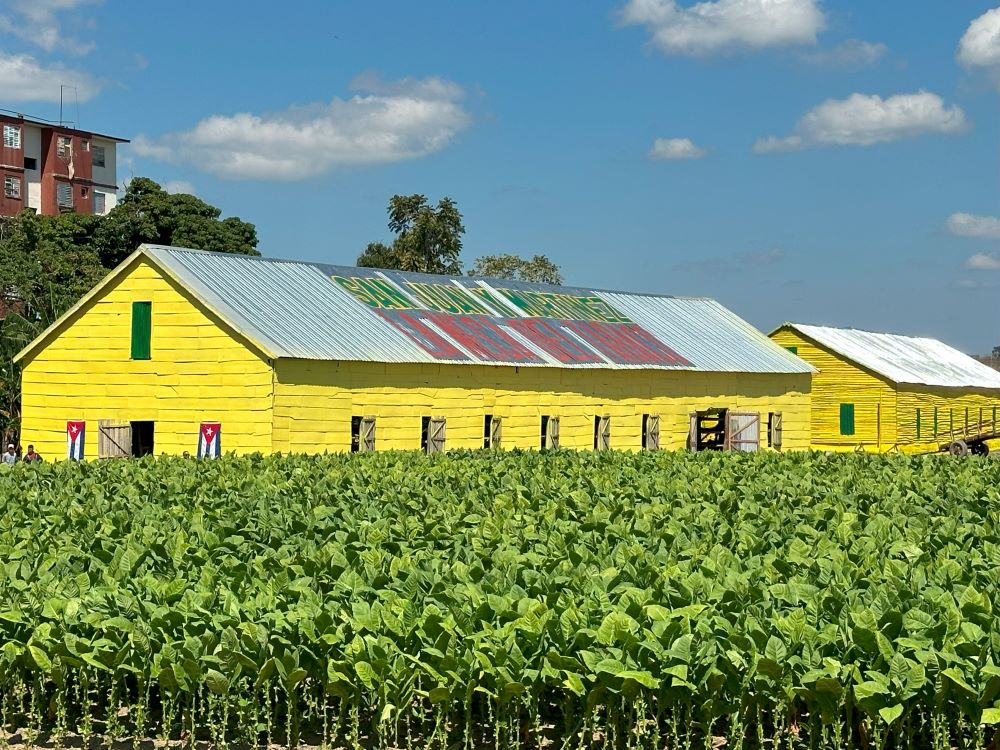
Cuba’s tobacco industry remains one of the country’s most valuable exports, heavily dependent on the renowned Vuelta Abajo region in Pinar del Río, which supplies the tobacco used in many of the island’s most famous cigar brands.
Meanwhile, the diplomatic talks seem to involve wider political issues. Díaz-Canel confirmed that Cuba will release 51 prisoners in the coming days as part of a Vatican-brokered deal, a move that observers see as potentially connected to ongoing negotiations with Washington. The Cuban foreign ministry first announced the prisoner release on March 12.
According to Díaz-Canel, the negotiations with the United States are being carried out with the approval of the island’s top leadership, including former president Raúl Castro, who took over when his brother Fidel Castro stepped down in 2006. Díaz-Canel officially took over as President after Raúl Castro on April 19, 2018.
“In accordance with the consistent policy upheld by the Cuban Revolution — and under the leadership of the Army General as the historic leader of our Revolution,” Díaz-Canel said, referring to Raúl Castro in translation. “Cuban officials have held talks with representatives of the United States government.”
Reports also indicate that U.S. Secretary of State Marco Rubio and senior administration officials have been involved in discreet diplomatic contacts related to the discussions, although the White House has not confirmed details of those interactions.
For now, Díaz-Canel emphasized that negotiations are still in the early stages, with no agreement finalized. Still, the public acknowledgment of talks marks a rare moment of diplomatic openness between Washington and Havana — one that could have significant consequences not only for geopolitical relations but also for the premium cigar industry that has long been influenced by the six-decade-old U.S. embargo.