By Timothy S. Donahue
Top Takeaways:
- Growth risk: Use of nicotine pouches in the UK has doubled since 2020, raising exposure to counterfeits.
- Safety warning: Counterfeit products might have incorrect nicotine levels and dangerous ingredients.
- Consumer focus: Industry is urging buyers to verify packaging, pricing, and traceability markers.
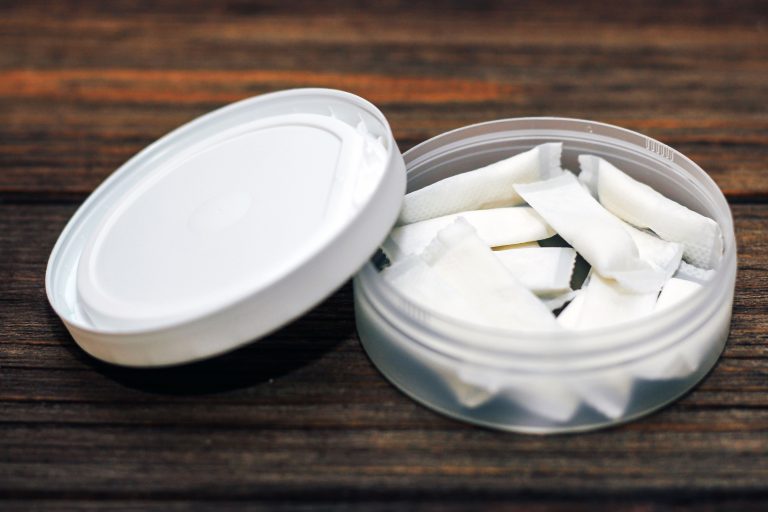
The quick rise of nicotine pouches in the UK is bringing a familiar issue back into focus: counterfeits. As the use of the category has doubled from 2020 to 2024, industry players say illicit and imitation products are increasingly entering the market—often indistinguishable to the untrained eye.
According to Markus Lindblad, head of legal and external affairs at Northerner, the growth of the category is opening up new opportunities for malicious actors. “As nicotine pouch use continues to grow in the UK, so too does the risk of counterfeits,” Lindblad said.
He warned that consumers should watch out for key red flags, including poor packaging quality, unusually low prices, incomplete labeling, and unclear manufacturer information. “By understanding the warning signs… consumers can avoid low-quality imitations,” he said.
The issue isn’t only brand protection—it’s about product safety. “Whether it’s fake Velo or Nordic Spirit, unregulated pouches can be dangerous,” Lindblad said. “They may contain wildly inaccurate nicotine strengths, unregulated ingredients, and substances that can irritate gums or cause other health issues.”
Unlike regulated products, counterfeit nicotine pouches might completely bypass quality controls, raising the risk of mislabeling, contamination, or delivering too much nicotine. To reduce that risk, Lindblad urged consumers to focus on traceability. “That’s why it’s so important to buy from trusted retailers and check for labelling, batch numbers and QR codes to ensure safety and quality,” he said.
The issue reflects challenges seen in other nicotine categories, including vaping, where rapid growth and fragmented distribution channels have historically made enforcement difficult.