By Timothy S. Donahue
Top Takeaways:
- Policy shift: Georgia lawmakers approved a bill permitting vapes and smokable cannabis for medical use.
- THC cap lifted: The measure eliminates the state’s 5% THC limit, expanding product choices.
- Retail crossover: Expansion introduces inhalable products into dispensaries, overlapping with vape retail channels.
Georgia is advancing its medical cannabis program toward mainstream acceptance by approving legislation that will considerably broaden the range of products patients can legally obtain.
Lawmakers approved Senate Bill 220 this week, removing the state’s longstanding 5% THC limit and permitting licensed dispensaries to sell marijuana vapes and cannabis flower.
The bill now heads to Gov. Brian Kemp for final approval. Industry participants say the change is long overdue. “It moves our program from a low oil-based THC program to a medical cannabis program, which is how the other 41 states… are set up,” said Gary Long, CEO of Botanical Sciences, one of the state’s licensed operators.
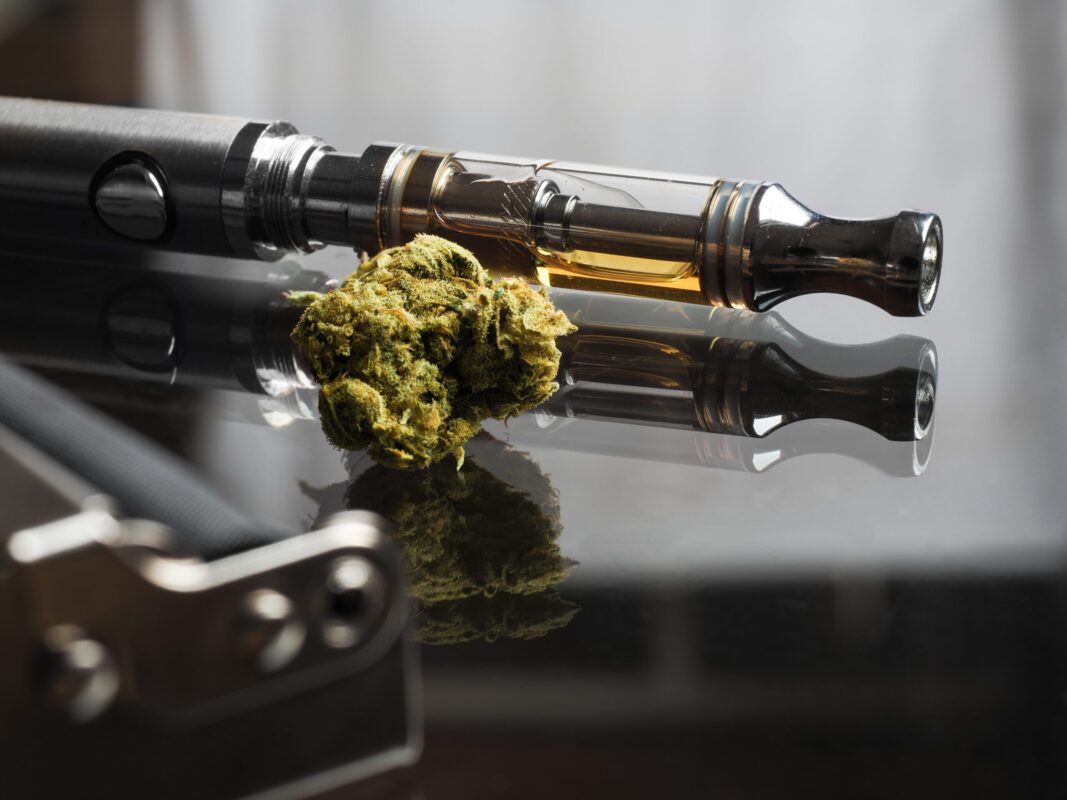
For the nicotine and vape sector, the shift is notable. Georgia’s program had previously been limited to low-THC oils, but the introduction of vapeable cannabis products brings medical marijuana closer to the same delivery formats that dominate the nicotine market—particularly in terms of hardware, retail overlap and consumer familiarity.
Long emphasized the clinical rationale behind inhalable products. “Inhalable forms… have fast onset, which allows a patient relief very quickly. In talking to our patients, that’s what they’re looking for,” he said.
The expansion also adds lupus to the list of qualifying medical conditions, alongside existing categories such as multiple sclerosis, Parkinson’s disease and PTSD. Patients must still receive physician authorization to access the program, which remains strictly medical.
“We are a medical cannabis company. We are not here selling recreational products,” Long said, pushing back on concerns that expanded access could lead to increased misuse.
Supporters argue the changes will improve quality of life for patients who need faster-acting treatment options. “It’s really been a miracle for my family… I really wouldn’t have that without this program,” said Danielle Rasor, a patient using medical cannabis to manage multiple sclerosis symptoms.