By Timothy S. Donahue
Top Takeaways:
Court ruling: Federal law does not preempt Wisconsin’s authority to restrict unauthorized e-cigarettes
State power: Decision affirms states can regulate sales even alongside FDA oversight
Market impact: Ruling strengthens enforcement against illicit and non-authorized vape products
A federal appeals court has reinforced state authority over the U.S. vape market delivering Wisconsin a key win in its effort to block unauthorized products.
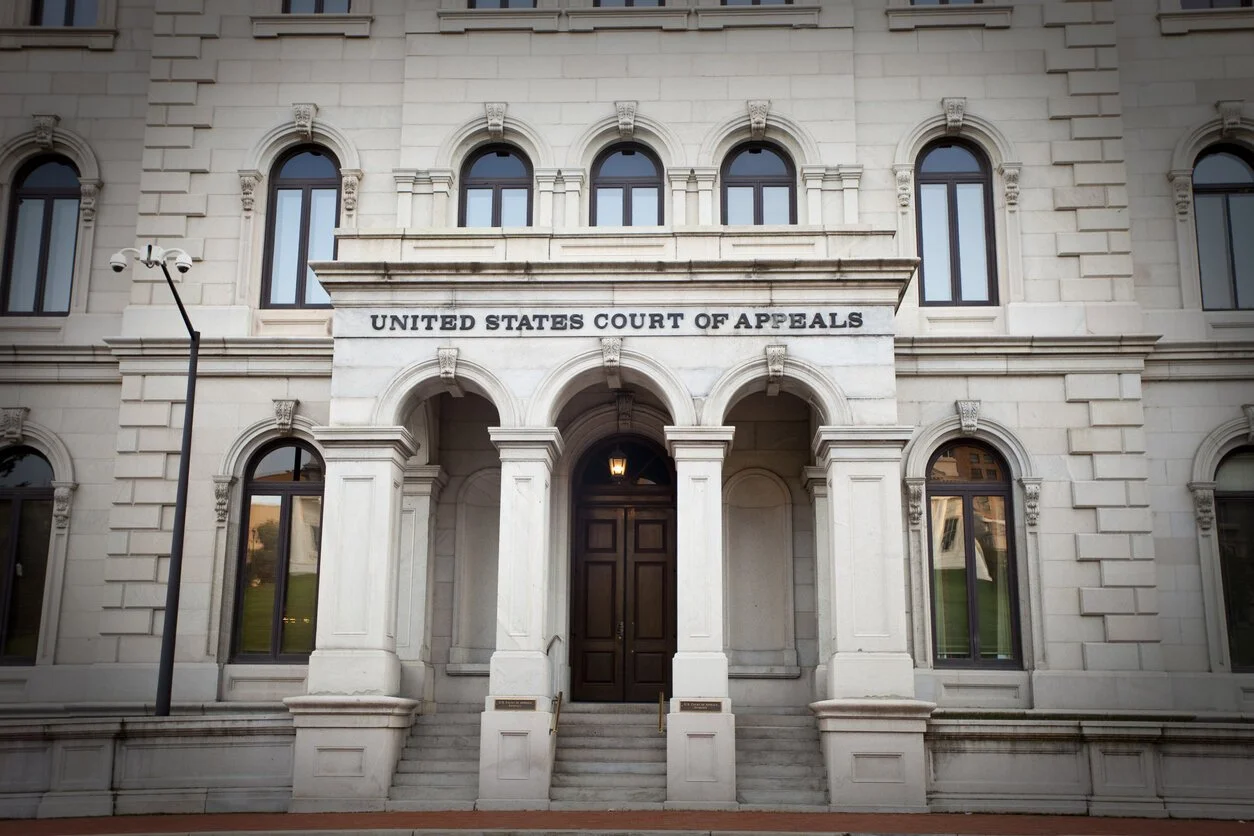
The U.S. Court of Appeals for the Seventh Circuit ruled that federal tobacco law does not preempt Wisconsin’s authority to prohibit the sale of e-cigarettes that lack authorization from the U.S. Food and Drug Administration, rejecting arguments by vaping industry groups that federal oversight should override state restrictions.
The decision centers on the balance of power under the Family Smoking Prevention and Tobacco Control Act, which gives the FDA authority to regulate tobacco products at the national level, but does not fully occupy the field regarding retail sales and distribution.
In its ruling, the court made that distinction clear. While the FDA controls which products can be legally marketed through the premarket tobacco product application (PMTA) process, states retain the authority to regulate how and where those products are sold within their borders.
The panel found that Wisconsin’s law—targeting e-cigarettes lacking FDA marketing authorization—falls squarely within that authority. That conclusion directly challenges industry arguments that such state laws create a patchwork of regulations that conflicts with federal intent.
Instead, the court emphasized that Congress preserved a role for the states, particularly in areas related to public health and retail oversight.
The ruling aligns with a broader trend. Several states, including North Carolina and Virginia, have moved to implement “state directories” or authorization-based frameworks that restrict sales of products either approved by the FDA or under active review, aiming to curb the spread of illicit disposable vapes.
Courts have increasingly been asked to weigh whether those laws conflict with federal regulation. So far, outcomes have leaned toward state authority.
In Wisconsin’s case, the court’s decision effectively allows regulators to continue targeting unauthorized products—many of which dominate the U.S. market despite lacking FDA authorization. That market dynamic was central to the dispute.
Industry groups argued that enforcement against unauthorized products should remain a federal responsibility, while state officials maintained that local action is necessary given the scale of noncompliant products in retail channels.