By Timothy S. Donahue
Top Takeaways:
- White House denial: Trump publicly denied plans to remove FDA Commissioner Marty Makary
- Vape tensions: Reports say flavored vape approvals became a major point of friction
- Political pressure: FDA leadership increasingly caught between tobacco, public health and campaign politics
Conflicting signals from the White House are fueling uncertainty about the future of U.S. Food and Drug Administration Commissioner Marty Makary and the direction of federal nicotine regulation, just months after the Trump administration dramatically accelerated action on flavored vaping products.
According to multiple media reports, including reporting by The Wall Street Journal, President Donald Trump had privately approved plans to remove Makary as FDA commissioner amid mounting disputes over agency policy and political management.
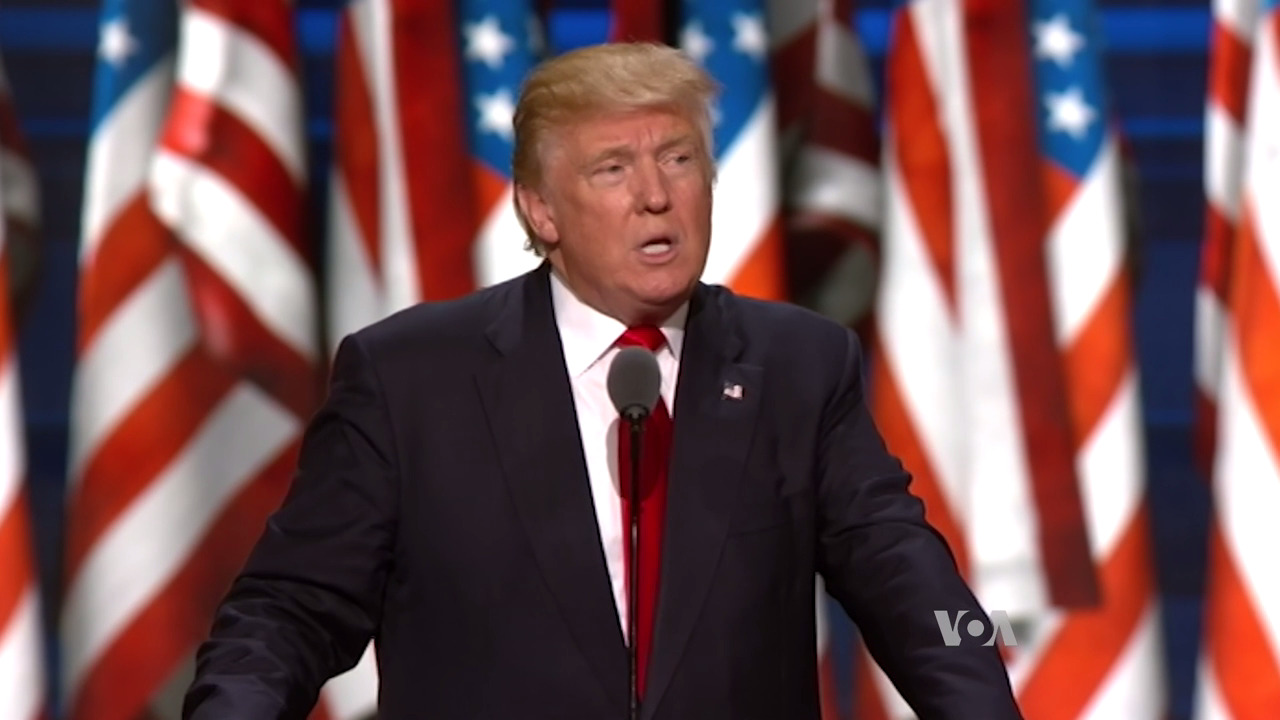
However, Trump publicly downplayed the reports when questioned by reporters.“He’s doing fine,” Trump reportedly said, adding that he knew “nothing about” firing Makary.
The contradictory messaging reflects growing turbulence within FDA leadership as the agency navigates politically charged issues, including vaping, nicotine regulation, pharmaceuticals and abortion policy.
According to several reports, one of the central flashpoints was flavored vape regulation. In 2024, Trump campaigned heavily on promises to “save vaping,” particularly for adult consumers and vape-shop advocates frustrated by years of FDA enforcement and PMTA denials.
Reports indicate that Trump grew increasingly frustrated with what allies viewed as Makary’s slower pace on flavored ENDS authorizations.
The tension reportedly intensified before the FDA recently authorized several flavored vaping products, including blueberry and mango varieties, marking one of the first major authorizations of flavored ENDS in years.
The approvals were widely viewed across the nicotine industry as a major regulatory shift. The administration’s evolving vaping policy has already drawn criticism from former FDA officials and anti-tobacco advocates.
Mitch Zeller, former director of the FDA’s Center for Tobacco Products, reportedly criticized the broader policy direction and characterized the administration’s approach as favoring major tobacco interests.
At the same time, industry observers note that the FDA’s recent actions reflect a broader change underway within the agency under acting CTP leadership, including faster PMTA review timelines, increased use of supplemental applications, and a growing emphasis on age-verification technology tied to flavored products.
The reports surrounding Makary also extend well beyond tobacco.
His tenure has faced pressure from multiple sides, including criticism over abortion pill policy, internal disputes involving vaccine and gene therapy oversight and broader concerns from pharmaceutical executives regarding regulatory consistency.