By Timothy S. Donahue
Top Takeaways:
- Renewal process: FDA files MRTP renewal applications for VLN reduced-nicotine cigarettes
- Existing authorization: Current modified-risk orders expire in December 2026
- Public input: FDA opens docket for comments and scientific submissions
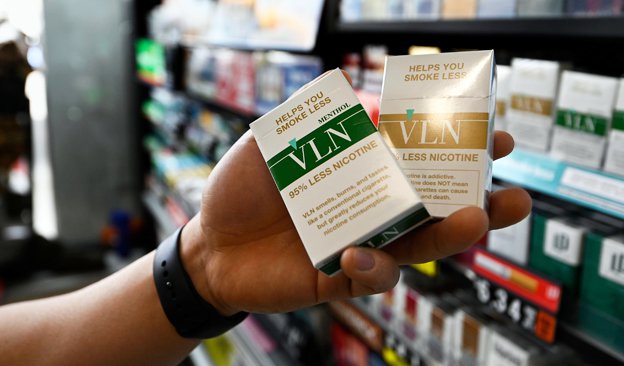
The U.S. Food and Drug Administration has formally accepted the modified risk tobacco product renewal applications from 22nd Century Group Inc. for its VLN reduced-nicotine cigarette products, marking a new phase in one of the tobacco industry’s most closely watched harm-reduction authorizations.
FDA announced May 12 that it filed MRTP renewal applications for:
- VLN King
- VLN Menthol King
Both products are filtered combustible cigarettes with reduced nicotine levels compared with conventional commercial combustible cigarettes. The filing indicates that the applications have advanced to formal scientific review.
In 2021, the FDA issued modified risk granted orders allowing the products to be marketed with reduced-exposure claims tied to nicotine content. Those authorizations were considered historic at the time because they marked the first MRTP orders for combustible cigarettes.
The current MRTP orders expire in December 2026. “To continue marketing these products with MRTP claims after the authorized time, the company submitted renewal applications to FDA,” the agency said.
Under the original authorization, the FDA permitted 22nd Century Group to market the cigarettes with claims that the products contain “95% less nicotine” than conventional cigarettes.
Importantly, the FDA did not authorize the company to claim that the products are safe or FDA-approved. Instead, the agency concluded that the available evidence supported reduced-exposure messaging under the MRTP standard established by the Family Smoking Prevention and Tobacco Control Act.
The renewal review now becomes significant for both the cigarette industry and broader nicotine regulatory policy because it tests how the FDA intends to evaluate long-term real-world evidence on modified-risk products after their initial authorization period.
FDA also announced that it has opened a public docket for comments and scientific submissions regarding the applications.
Beginning May 13, interested parties may submit “research, data, or other public comments” via docket FDA-2019-N-0994 on Regulations.gov.
The agency also confirmed that redacted portions of the applications are being made publicly available online and will continue to be posted on a rolling basis as additional materials are processed.