By Timothy S. Donahue
Top Takeaways:
- Ban push: WHO is calling on Indonesia to prohibit e-cigarettes and other nicotine products.
- Packaging deadline: The agency is also urging swift adoption of larger pictorial health warnings before a July implementation deadline.
- Endgame proposal: WHO wants Indonesia to consider a tobacco-free generation policy similar to those adopted in the UK and Maldives.
The World Health Organization is urging Indonesia to adopt some of Southeast Asia’s toughest tobacco and nicotine controls, including a ban on e-cigarettes and nicotine pouches. WHO also wants larger graphic health warnings and a tobacco-free generation policy.
Ahead of World No Tobacco Day (May 31), WHO warned that Indonesia faces a growing challenge from youth use of both traditional tobacco products and e-cigarettes. According to the 2023 Global School Health Survey, 20% of Indonesian students ages 13 to 17 reported using tobacco products, and 12% reported using e-cigarettes.
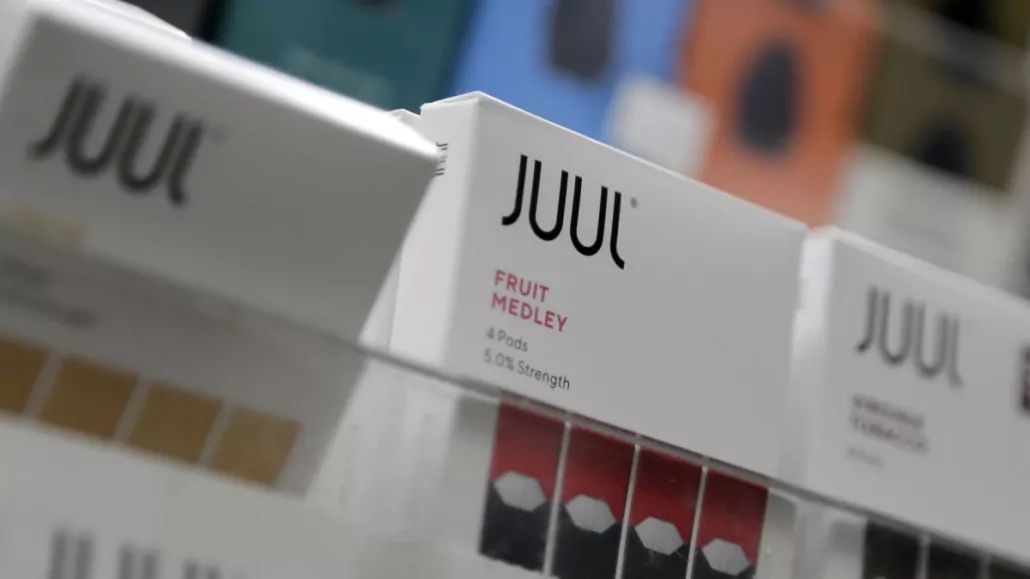
WHO argued that flavored products, colorful packaging, and social media marketing have contributed to growing youth interest in vaping. “Electronic cigarettes and other nicotine products are harmful. They are intentionally designed to attract young people and create addiction,” said N. Paranietharan, WHO representative to Indonesia. “Protecting young people from nicotine addiction is essential to safeguarding Indonesia’s future.”
WHO Indonesia said it strongly supports calls for a complete ban on e-cigarettes, arguing that the measure is necessary to prevent further use among young people. The organization noted that more than 40 countries worldwide have implemented vaping bans, including several other Southeast Asian nations such as Singapore, Thailand, Vietnam, and Cambodia.
Beyond vaping, WHO is also urging Indonesian regulators to finalize a draft Health Ministry regulation that would require larger pictorial health warnings on tobacco packaging. The agency said the measure is necessary to comply with requirements set by Government Regulation No. 28 of 2024, which mandates implementation by the end of July 2026.
“Strong, large warnings are proven effective to reduce the appeal of tobacco and nicotine products and increase awareness of their harms,” WHO said.
The organization is also advocating for a tobacco-free generation policy that would permanently prohibit tobacco sales to future generations.
WHO pointed to policies adopted in the United Kingdom and the Maldives that would prevent tobacco sales to individuals born after specified years. “These bold measures would decisively break the cycle of addiction,” Paranietharan said. “Indonesia needs to act now. Let us end the harm from tobacco and nicotine, and protect the next generation.”
Indonesia remains one of the world’s largest cigarette markets and has one of the highest smoking rates, making it a key battleground for tobacco-control policy.