By Timothy S. Donahue
Top Takeaways:
- Policy shift: Belgium has relaxed several plain-packaging requirements for cigars and cigarillos on the same day the rules took effect.
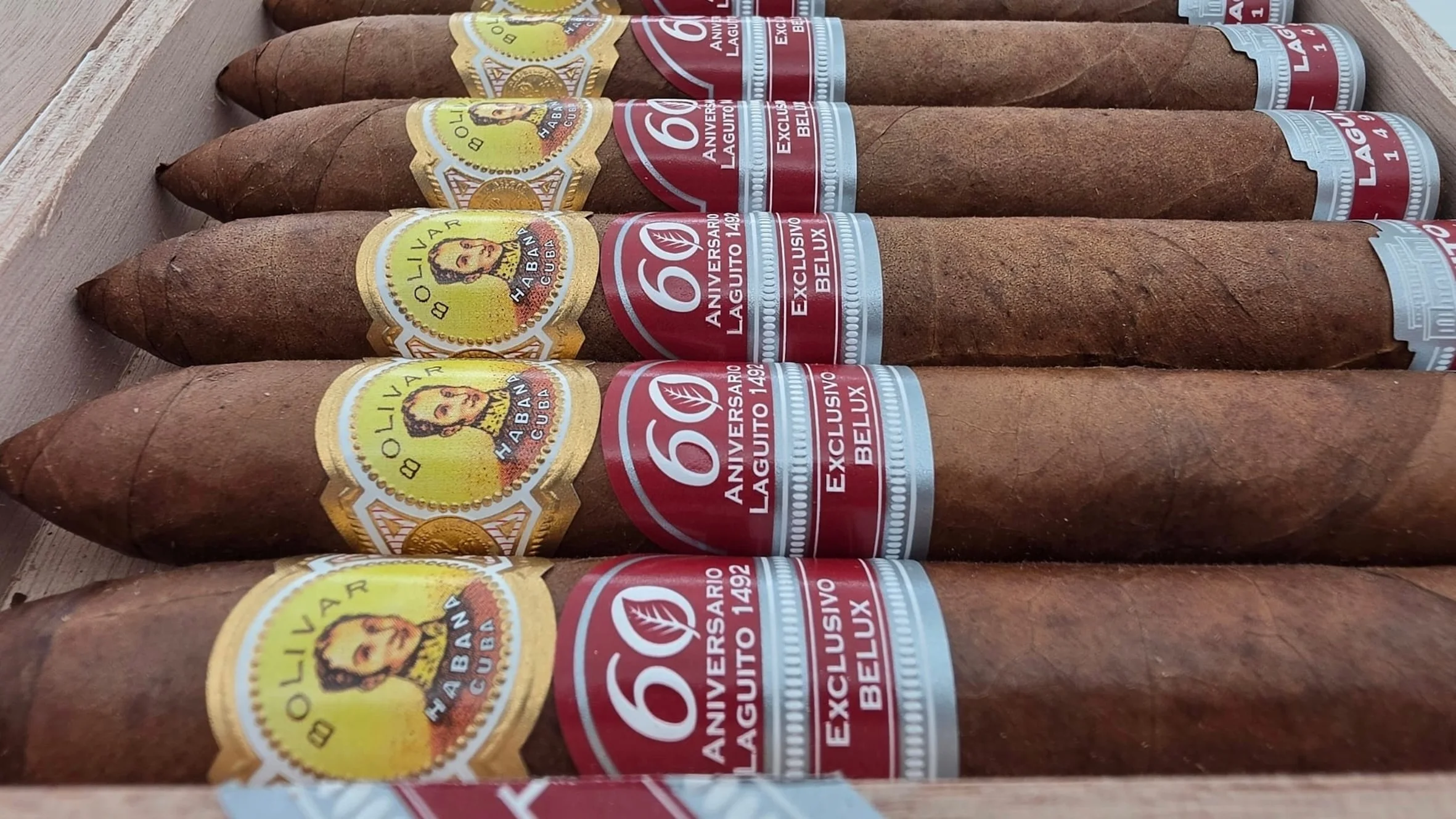
- Industry win: Authorities will allow traditional cigar bands, sub-brands and certain packaging elements used to preserve cigars.
- Regulatory distinction: The move signals Belgian regulators recognize cigars and cigarillos differ from mass-market tobacco products.
Belgium’s plain-packaging rules for cigars officially took effect on June 1, but regulators simultaneously moved to soften several requirements in response to concerns from the cigar industry.
The changes allow cigar manufacturers to retain traditional cigar bands, display sub-brand names, and continue using certain packaging components designed to preserve product quality, according to guidance issued by Belgium’s Federal Public Service for Health.
The decision marks a notable shift from the government’s original approach, which sought to apply a single standardized packaging framework across all tobacco categories.
Under Belgium’s plain-packaging law, standardized packaging applies to cigarettes, roll-your-own tobacco, cigars, and cigarillos. The rules follow the country’s April 2025 display ban, which prohibits retailers from displaying tobacco products to consumers.
However, cigar manufacturers had argued that certain aspects of the original decree failed to recognize the unique characteristics of premium cigars and cigarillos. In guidance distributed to industry players, Belgian health authorities acknowledged that cigar bands are “an integral part of the product” and therefore will not be considered prohibited packaging elements.
The government also said that neutral components necessary for preserving cigars and cigarillos may remain inside packaging, including wooden interior elements and spacers used to protect cigars during storage and transport.
Another significant concession concerns branding. The original decree issued in August 2025 limited product designations to a maximum of three words. Under the revised interpretation, manufacturers may display sub-brand names on cigar and cigarillo packaging.
The Federal Public Service for Health further stated that certain technical requirements imposed on other tobacco products will not apply to cigars and cigarillos. Although the modifications have not yet been formally published in Belgium’s official legal journal, authorities said they have already been submitted to the Council of State for review and are expected to take effect retroactively to June 1.
According to the government, inspectors have been instructed to recognize the changes during compliance checks, even before formal publication, if administrative procedures delay implementation. The development represents a rare example of regulators carving out product-specific accommodations as governments across Europe continue to tighten tobacco controls.
The issue has become increasingly important for premium cigar manufacturers, who argue that regulations designed primarily for cigarettes often fail to account for differences in product use, consumer demographics and market structure.
The move also coincides with several European countries reassessing tobacco-control frameworks. Belgium remains one of the region’s stricter markets, having implemented tobacco display bans, plain-packaging requirements, and other restrictions in recent years as part of broader public health initiatives.
For the cigar industry, however, the latest decision suggests that regulators may be willing to distinguish between premium cigars and other tobacco products when specific product characteristics warrant separate treatment.