By Timothy S. Donahue
Top Takeaways:
- New allegation: Treasury said Prince Group invested criminal proceeds in businesses including “luxury cigars” before its October 2025 designation.
- Chen fallout deepens: The statement comes as courts in the U.S., Hong Kong and the British Virgin Islands continue to oversee assets tied to Chen Zhi and Allied Cigar.
- Pressure expands: Treasury sanctioned nine individuals and 26 entities tied to Prince Group and moved to further restrict financial channels allegedly used by the organization.
For the first time since sanctioning Cambodian businessman Chen Zhi and the Prince Group in October 2025, the U.S. Treasury Department has explicitly linked the organization’s luxury cigar interests to what it describes as a global criminal enterprise built on fraud, scam compounds and money laundering.
On June 23, the Treasury Department’s Office of Foreign Assets Control (OFAC) announced a sweeping enforcement action, sanctioning nine individuals and 26 entities linked to the Prince Group, and expanding efforts to disrupt financial networks allegedly used to move scam proceeds around the world.
Buried within the announcement was a statement likely to attract attention throughout the premium cigar industry. “Prior to its designation, Prince Group TCO oversaw a worldwide money laundering network and invested criminal proceeds across a wide range of businesses, including real estate, aviation, and luxury cigars,” Treasury said.
While regulators and investigators have spent months examining Chen’s ties to the premium cigar business, Treasury’s latest statement marks the first time the agency has publicly identified luxury cigars as one of the sectors into which Prince Group allegedly invested criminal proceeds.
The development comes amid an increasingly complex international legal battle over ownership of Habanos S.A.-related assets. Habanos is the government-owned global distributor of Cuban cigars.
As previously reported by Nicotine Insider, Chen held an indirect controlling interest in Allied Cigar Corporation, the investment vehicle that acquired Spain’s Tabacalera SL from Imperial Brands in 2020. Through that ownership chain, Chen ultimately controlled a 57.1% stake in Allied Cigar, which co-owns Habanos S.A. alongside Cuba’s state tobacco interests.
The sanctions imposed in October 2025 triggered a cascade of consequences across the premium cigar industry. Banks restricted relationships with companies tied to the ownership structure, distributors faced operational challenges, and courts in multiple jurisdictions became involved in disputes over control of Chen-linked assets.
Since then, provisional liquidators from Interpath Advisory have assumed control of dozens of British Virgin Islands entities tied to Chen, including companies within the Allied Cigar ownership chain. Earlier this month, U.S. Bankruptcy Judge Martin Glenn recognized the BVI liquidation proceedings in New York, clearing the way for liquidators to exercise authority over U.S.-based assets of the estate.
Treasury’s latest action does not directly target Allied Cigar, Habanos S.A., or any operating cigar company. Instead, it targets individuals and entities that Treasury says helped facilitate Prince Group activities or benefited from the organization’s operations. None of the sanctioned individuals are executives of Habanos, Tabacalera, Allied Cigar, or the Pacific Cigar Company. Instead, Treasury is highlighting what it believes was the broader infrastructure surrounding Prince Group.
The announcement nevertheless reinforces the central challenge facing businesses tied to the former ownership structure: regulators continue to view Prince Group not as a legitimate conglomerate that happened to own cigar assets, but as an alleged criminal organization whose investments spanned multiple industries, including premium cigars.
Treasury said the action builds on the October 2025 designation of Prince Group as a transnational criminal organization and follows global government efforts to seize assets, freeze accounts and pursue investigations tied to the network. According to Treasury, those efforts have led to arrests, property seizures and asset freezes worth billions of dollars. Treasury also noted that Chen was stripped of his Cambodian citizenship and official titles earlier this year.
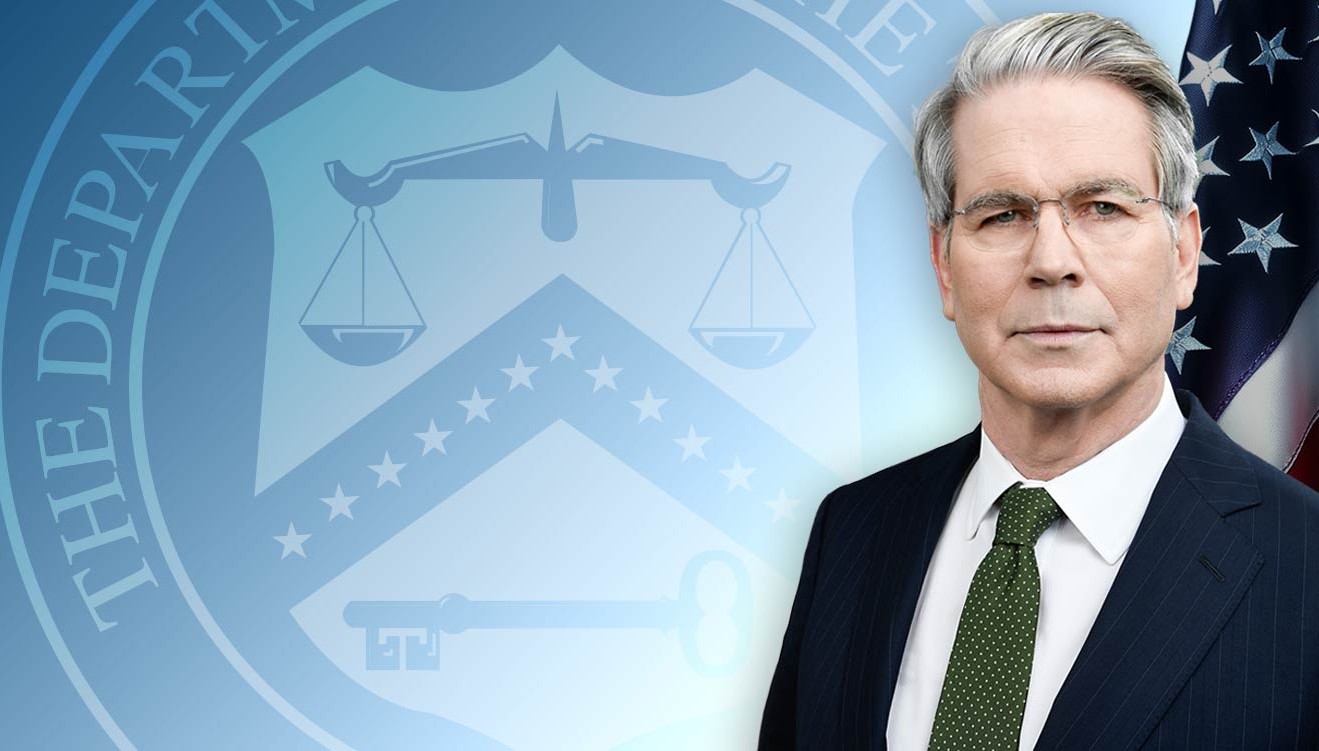
“Scam centers in Southeast Asia steal billions of dollars from American victims each year,” Treasury Secretary Scott Bessent said in the announcement. “The Trump Administration is united in its efforts to dismantle these overseas criminal enterprises, and Treasury will continue using its tools to disrupt the networks behind this egregious fraud and protect Americans.”
For the cigar industry, the statement is significant because it offers the clearest indication yet of how U.S. authorities view the relationship between Prince Group’s financial activities and its investments in Habanos S.A.
That language is likely to become an important reference point as liquidators move forward with efforts to sell Chen’s stake and to further distance the cigar business from the sanctions fallout that has defined much of the industry’s past eight months.