By Timothy S. Donahue
Top Takeaways:
- Licensing expands: Russia will require licenses for the wholesale and retail sales of tobacco and nicotine products starting Oct. 1, 2026, with unlicensed sales prohibited from March 1, 2027.
- Regions gain new powers: Regional governments may temporarily ban the retail sale of vapes, e-liquids, and other electronic nicotine delivery systems for five years.
- Penalties increase: The law introduces tougher criminal penalties for large-scale unlicensed sales of tobacco and nicotine and strengthens oversight of the retail market.
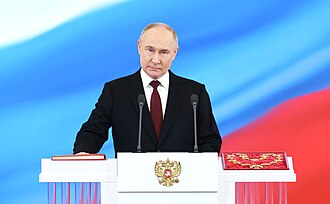
Russian President Vladimir Putin has signed legislation establishing a nationwide licensing system for the wholesale and retail sales of tobacco and nicotine-containing products, marking one of the country’s most significant regulatory overhauls of the nicotine market in recent years.
Under the new law, mandatory licensing will apply to the procurement, storage, supply, and wholesale and retail sale of tobacco and nicotine-containing products, including vaping products and e-liquids. The licensing system is scheduled to take effect on Oct. 1, 2026, and businesses operating without licenses will be prohibited beginning March 1, 2027, providing existing operators with a transition period to comply.
Licenses for retail stores and delivery operations will be issued separately for each retail outlet or delivery vehicle. Wholesale licenses will be administered primarily by Russia’s Federal Service for Alcohol and Tobacco Market Regulation (Rosalokoltabakcontrol), with regional authorities overseeing retail licensing.
The legislation also grants Russia’s regions new authority, through a five-year pilot program running from March 1, 2027, through March 1, 2032, to temporarily prohibit the retail sale of electronic nicotine delivery systems, including vapes and e-liquids, according to Russian media. After the pilot concludes, federal authorities plan to evaluate the impact of regional restrictions before determining whether broader action is warranted. Regions that choose not to participate will continue operating under national regulations.
In addition, the law clarifies how buffer zones around schools and educational institutions will be measured to enforce existing prohibitions on tobacco and nicotine product sales near those facilities.
The legislation also strengthens enforcement by introducing criminal liability for large-scale wholesale or retail sales conducted without the required licenses. Penalties may include substantial fines, compulsory labor, and other criminal sanctions.
The licensing law builds on Russia’s broader effort to tighten oversight of tobacco and next-generation nicotine products. Since 2023, the country has expanded regulation of nicotine-containing products, implemented digital track-and-trace requirements, and debated increasingly restrictive measures for vaping products. Earlier this year, policymakers also considered proposals ranging from expanded regional restrictions to a nationwide vape ban, but those proposals have not been enacted.
For the nicotine industry, the legislation marks a significant shift from regulating products primarily through manufacturing and distribution controls to regulating market access through licensing. While traditional tobacco products remain subject to nationwide rules, the new regional authority over vaping products could create a fragmented regulatory environment in which legal sales vary across Russia based on local government decisions.