
By Timothy S. Donahue
Top Takeaways:
- Trademark survives: European Union officials have rejected Philip Morris’ attempt to block registration of the “Manchester” trademark for cigarettes.
- Font dispute: Philip Morris argued that the Dubai-based applicant’s branding used a serif typeface that could cause confusion with its Marlboro trademarks.
- Brand protection: The decision highlights the increasingly aggressive trademark battles among tobacco companies to protect established cigarette brands.
Philip Morris International has failed in an attempt to expand trademark protection for the visual identity of its flagship Marlboro cigarette brand.
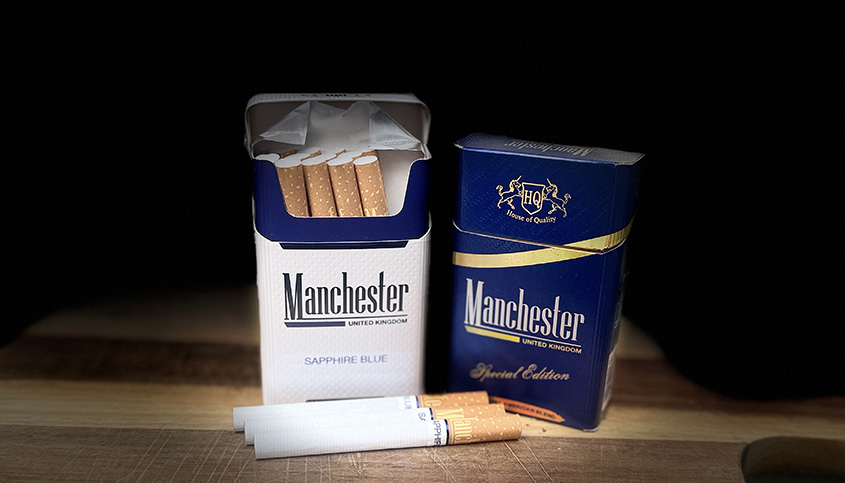
The European Union Intellectual Property Office (EUIPO) has rejected PMI’s opposition to a trademark application for “Manchester” filed by UK-based J.S.S. Tobacco Ltd., allowing the application to proceed despite PMI’s claims that consumers might confuse the branding with Marlboro.
According to the EUIPO decision, Philip Morris argued that the Manchester wordmark, set in a serif typeface, was visually similar to Marlboro’s branding and created a likelihood of confusion among consumers purchasing tobacco products.
The Board of Appeal disagreed.
EU officials concluded that although both marks use serif lettering, the overall visual, phonetic, and conceptual differences between Marlboro and Manchester were sufficient to distinguish the products in the marketplace. The shared use of a serif font, by itself, was not enough to establish a likelihood of confusion.
The dispute centered on PMI’s longstanding strategy of aggressively protecting the Marlboro name and the broader visual elements associated with the brand, including typography, packaging and other trade dress.
Over the years, Philip Morris has successfully opposed numerous trademark applications involving packaging, geometric designs, and branding elements it argues capitalize on Marlboro’s reputation. In other cases, however, European trademark authorities have found that similarities in individual design features alone do not necessarily create consumer confusion.
The ruling relates only to the trademark registration and does not address product marketing or commercialization.
This article was updated to reflect the proper owner of the Manchester brand.


