By Timothy S. Donahue
Top Takeaways:
Key milestone: The DEA’s hearings on federal marijuana rescheduling have concluded, bringing the process one step closer to a final agency decision.
Government support: Federal attorneys defended rescheduling during the proceedings, while opponents focused largely on diversion.
Industry implications: A final rule reclassifying marijuana to Schedule III would reshape the legal landscape for cannabis operators.
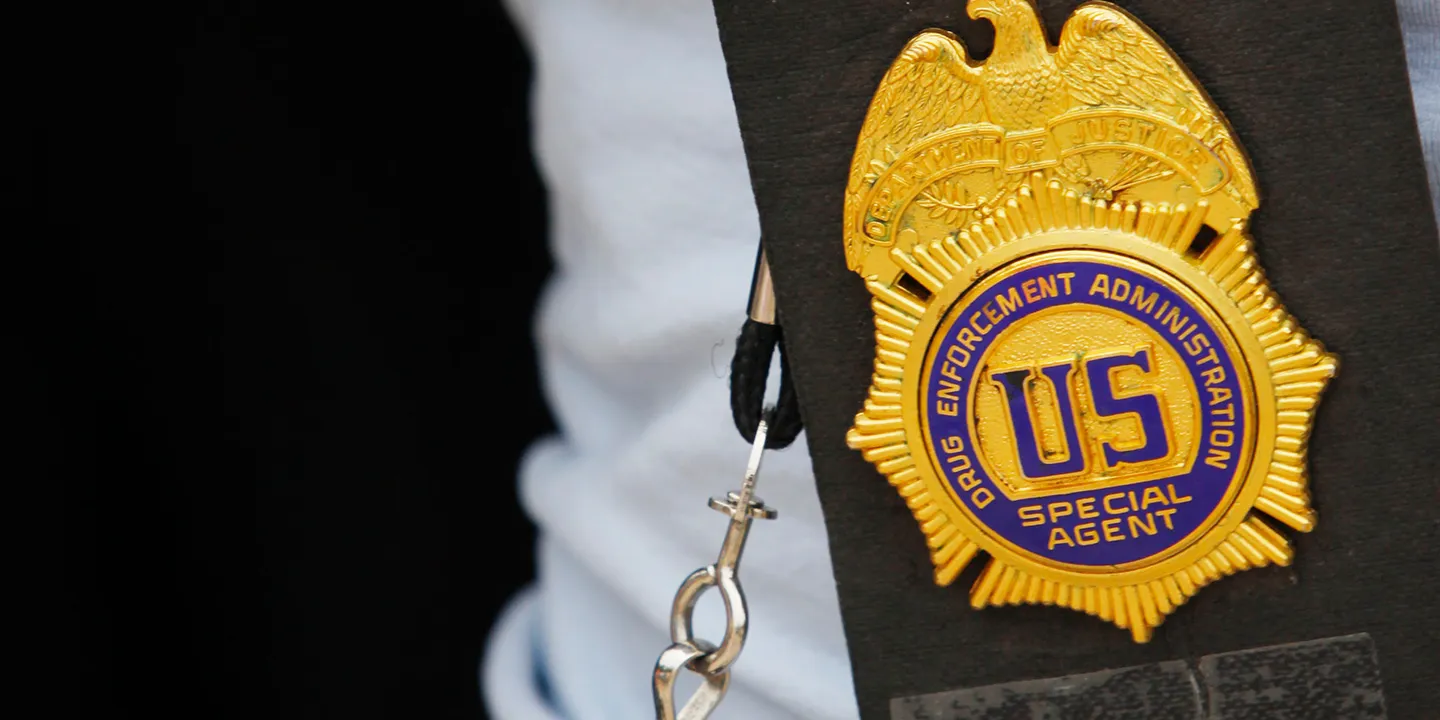
The U.S. Drug Enforcement Administration’s long-awaited administrative hearings on federal marijuana rescheduling concluded last week, marking a significant procedural milestone in the government’s effort to reschedule cannabis from Schedule I to Schedule III under the Controlled Substances Act.
The hearings, presided over by DEA Chief Administrative Law Judge Derek Julius, concluded after two weeks of testimony from witnesses supporting and opposing the proposed rule originally published by the Department of Justice in May 2024.
One of the final witnesses was Humboldt County, California, Sheriff William Honsal, who testified on behalf of the states of Indiana, Idaho, and Nebraska, which oppose rescheduling. During cross-examination by Justice Department attorneys, however, Honsal acknowledged that California cannabis diverted into illicit interstate markets largely originates with unlicensed, unregulated producers rather than the state’s licensed cannabis industry, according to media reports.
The hearings focused on whether marijuana has a currently accepted medical use, the key legal question underlying the proposal to move cannabis from Schedule I to Schedule III. While opponents emphasized concerns about diversion, youth access and mental health, observers said much of that testimony appeared intended to build a record for future legal challenges rather than to persuade the administrative law judge.
“The result of the hearing is pretty clear, based on the proceedings,” Shawn Hauser, a partner at cannabis law firm Vicente LLP, told media. “Marijuana rescheduling is justified on both the law and the science.”
Paul Armentano, deputy director of the National Organization for the Reform of Marijuana Laws (NORML), likewise suggested that opponents were laying the groundwork for future litigation rather than addressing the core legal standard. “Opponents were likely establishing a record for their appeal, rather than providing arguments to influence the ALJ’s decision,” he said.
No timetable has been announced for Julius to issue his recommended decision. His recommendation will not be binding. The ultimate decision will rest with DEA Administrator Terrance Cole and Acting Attorney General Todd Blanche, who would be responsible for issuing any final rule.
According to observers, the Justice Department’s active defense of the proposal during the hearings suggests that the Trump administration intends to continue pursuing federal rescheduling despite expected litigation.
If finalized, moving marijuana to Schedule III would mark the most significant federal cannabis policy change in decades. Although it would not legalize recreational marijuana nationwide, the change would reduce federal tax burdens for state-licensed cannabis businesses, expand research opportunities and further legitimize the regulated cannabis industry.