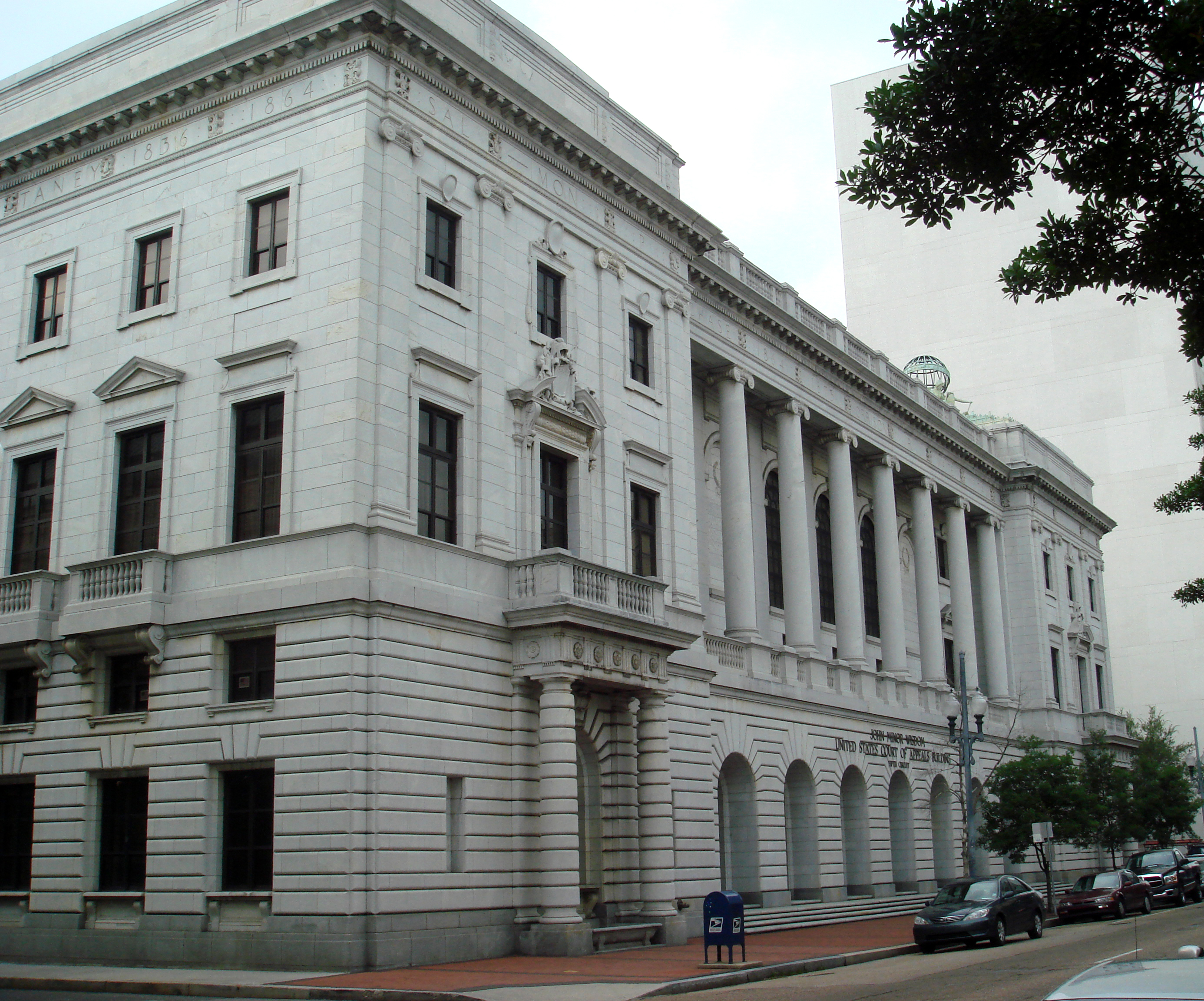
The U.S. Food and Drug Administration prohibited the sale of RJ Reynolds Vapor Co.’s Vuse menthol e-cigarettes. The manufacturer joined a retailer and a trade organization and brought its case before the U.S. Court of Appeals for the 5th Circuit in New Orleans. The company then successfully obtained a temporary block on the marketing denial order (MDO).
Since then, numerous e-cigarette makers have followed suit, petitioning the 5th Circuit to fight those MDOs. The court has ruled favorably in most of those suits. However, this upset the FDA. In reaction, the regulatory agency asked the Supreme Court of the United States (SCOTUS) to decide if the 5th Circuit was the proper venue for the case since RJR is headquartered in North Carolina, far from the jurisdiction of the 5th Circuit.
On Tuesday, the Supreme Court heard oral arguments in the FDA’s appeal. The FDA argued that companies are improperly exploiting the court system, filing appeals in courts they believe are more likely to rule in their favor. According to the government, this tactic undermines the intent of Congress.
At various points in the arguments, the justices expressed skepticism toward the government’s position, though they also showed concern that ruling broadly in favor of the FDA might disrupt the way legal cases are filed across the country.
“The government gets sued in a lot of places,” said Associate Justice Amy Coney Barrett. “And this would matter beyond just the [Tobacco Control Act], correct?”
Under the Family Smoking Prevention and Tobacco Control Act, manufacturers must obtain FDA authorization to sell new tobacco products. Ryan Watson, representing Reynolds, argued that the company’s legal strategy is explicitly allowed under the law, which permits any party “adversely affected” by a denial to appeal the decision either to the District of Columbia Circuit or the circuit in which the company is based.
Reynolds, based in North Carolina, joined forces with a Avail Vapor Texas and the Mississippi Petroleum Marketers and Convenience Stores Association to challenge the FDA’s decision. Since the 5th Circuit covers Texas and Mississippi, they filed their appeal there, although North Carolina falls under the 4th Circuit.
“The Tobacco Control Act allows any party adversely affected to challenge a marketing denial order,” Watson said, noting that the retailers were entitled to join the appeal based on the statute’s broad language.
Vivek Suri, an assistant to the solicitor general who is representing the FDA, disagreed, arguing that Congress never intended for retailers to be involved in such legal challenges, as they aren’t notified when the FDA rejects a manufacturer’s application to sell vaping products.
During oral arguments, the justices questioned the regulatory agency’s interpretation of the law.
“The whole purpose of the proceeding is to overturn a decision preventing retailers from doing what retailers do with respect to the product,” Chief Justice John Roberts Jr. said to Suri.
Associate Justice Clarence Thomas asked, “If your argument is that only applicants are covered, what do you do with the language ‘any person adversely affected?’”
Suri argued the language “any person adversely affected” requires the court to infer the class of appropriate plaintiffs from the structure of the statute (Article III). He said since retailers were not notified of a marketing denial order, they shouldn’t be able to bring a suit. “That right only falls to the applicant,” Suri said.
Roberts added that he believes retailers “probably do” have the right to bring suit because, “Well, it’s a bit much to call them bystanders. I mean, their business depends upon this …” Suri accused Reynolds of using retailers as “props.”
Associate Justice Elana Kagan, concerning the structure of the statute governing where suits can be brought, said, “I would think that this structure … points in the exact opposite direction from what you [Suri} said.
“You’re essentially reading this so that the ‘any person adversely affected’ … has two different meanings, two different definitions,
for the (A) and the (B), and I would think that that’s a very strange way to think about this section.”
Associate Justice Brett Kavanaugh asked Suri, “Does the retailer have Article III standing?” Article III is a requirement that a plaintiff must meet to bring a lawsuit in federal court. It establishes that a plaintiff must have a personal stake in the outcome of a case.
Suri replied, “Yes. We accept that the retailer has Article III standing … The retailer is, in this case, being ultimately prevented by the Act from selling the products that the retailer wishes to sell.”
Kavanaugh replied, “That sounds like adversely affected.”
In addition to this case, the Supreme Court is also considering another vaping-related matter this term. In December, the justices heard Triton v. FDA and in that case the justices appeared more sympathetic to the FDA’s decision to reject applications for flavored e-cigarettes other than tobacco.
The justices are likely to issue a ruling in both vaping cases by the summer.