
Key points:
- The law mandates that vape products sold in Mississippi be FDA-authorized.
- The vaping industry contributes $135 million to Mississippi’s economy, supporting over $30 million in wages and $23 million in tax revenue.
- The FDA’s own data shows youth e-cigarette use dropped to its lowest level in a decade before the Biden-era crackdown on flavors.
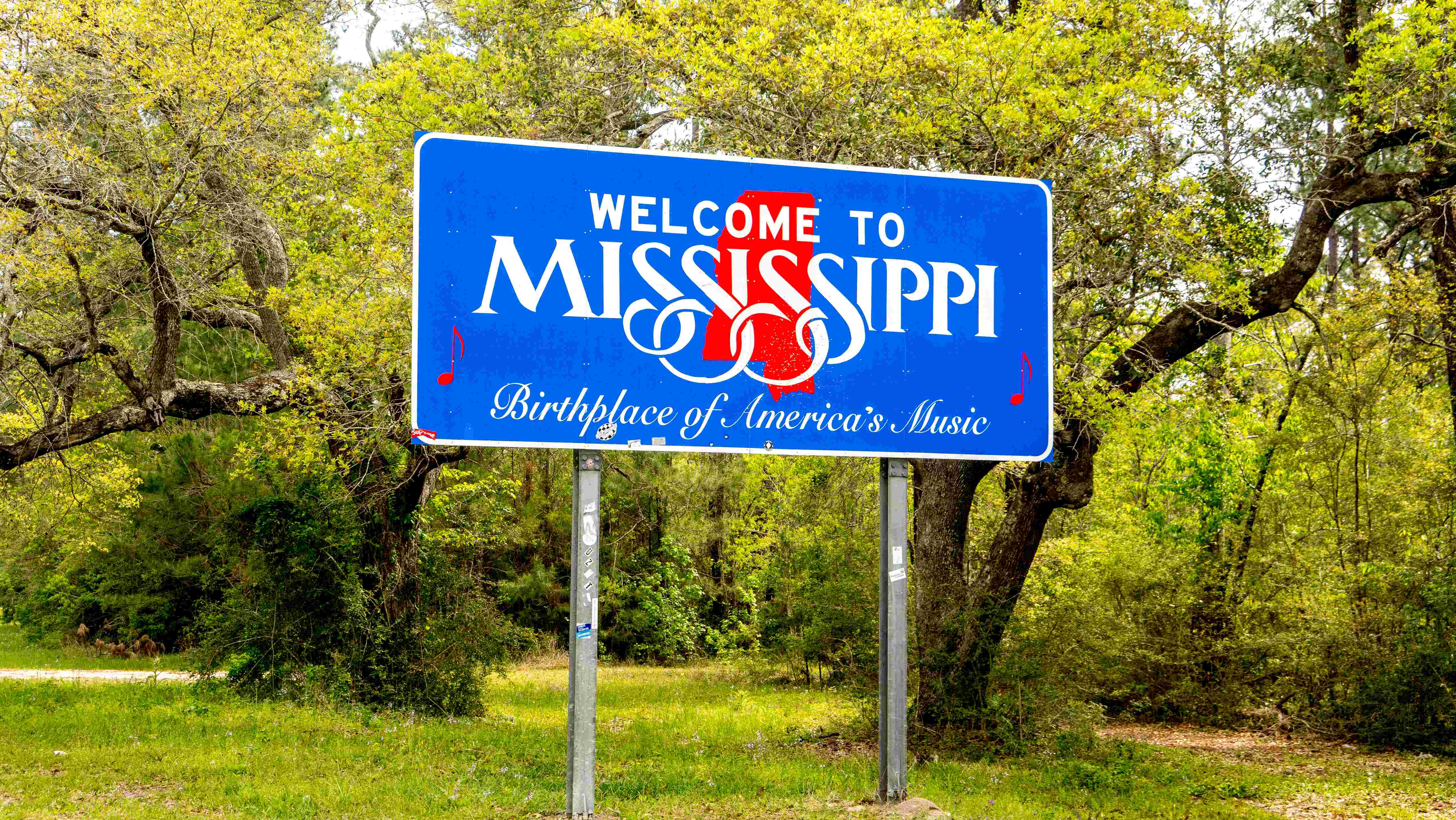
Mississippi, once a leader in holding Big Tobacco accountable, passed legislation that critics argue hands the vaping market over to major tobacco corporations.
House Bill 916, signed into law last week, restricts e-cigarette sales to a limited number of FDA-authorized manufacturers—most of which have direct ties to Big Tobacco—while banning nearly all flavored vaping products.
The law mandates that vape products sold in Mississippi be FDA-authorized. Currently, only three companies—Logic Technology (Japan Tobacco International), NJOY (Altria), and R.J. Reynolds Vape Company—meet this requirement, effectively shutting out independent vape businesses.
It should be noted that the vaping industry contributes $135 million to Mississippi’s economy, supporting over $30 million in wages and $23 million in tax revenue. Small business owners warn that restrictions could lead to devastating revenue losses and potential closures.
The Mississippi bill doesn’t consider a 2024 Fifth Circuit Court ruling found that the FDA acted “arbitrarily and capriciously” in rejecting flavored e-cigarette applications. Despite concerns about youth vaping, the FDA’s own data shows youth e-cigarette use dropped to its lowest level in a decade before the Biden-era crackdown on flavors.
Under the new law, beginning October 1, 2025, vape products not listed in the state’s directory will be banned from sale, with non-compliant retailers facing product seizures and legal penalties.
Critics argue the law disproportionately benefits Big Tobacco while stifling competition and consumer choice. Meanwhile, President Trump has signaled a potential review of vaping regulations.


