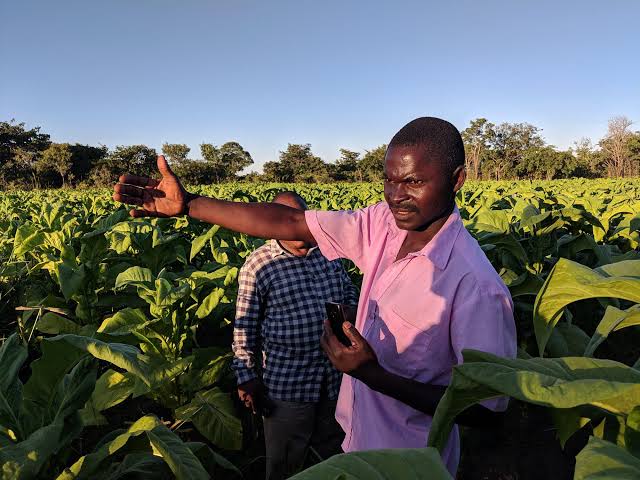
Zimbabwe is on track to double its production of Shisha tobacco in 2025, despite only a modest expansion in the amount of land planted for the crop. Industry officials credit the surge in output to improved farming techniques, effective collaboration between farmers and agricultural technicians, and favorable weather conditions.
Cavendish Lloyd Zimbabwe Pvt Ltd. (CLZ), the company leading the contract farming program, announced this week that the country is projected to produce 800,000 kilograms of cured Shisha tobacco by the end of the season—double the 400,000 kilograms harvested last year.
“We are projecting a total of 800,000 kilograms of cured Shisha tobacco by the end of the season, a significant increase from last year’s 400,000 kg,” said Dr. Rebecca Manford, CEO of CLZ. “The price for the crop has remained strong, with the highest price recorded so far at US$5.75 per kg, up slightly from last season’s US$5.70.”
Shisha tobacco, used primarily in water pipes, was introduced commercially in Zimbabwe in 2022. The crop experienced setbacks in 2024 due to the El Niño-induced drought, but has rebounded this year, thanks to more favorable climatic conditions and growing interest from farmers.
While the number of participating growers nearly doubled—from 65 last season to 125 this year—the total area planted with Shisha tobacco increased by just 25%, rising from 388 hectares (959 acres) to 485 hectares. The sharp rise in yield is largely attributed to improved agronomic practices and close support provided through the contract farming model.
CLZ’s contract farming initiative is part of Zimbabwe’s broader Tobacco Value Chain Transformation Plan, which aims to diversify tobacco production and increase local beneficiation. Officials say Shisha tobacco presents new opportunities for farmers to expand their operations and invest further in commercial agriculture.
The continued growth of the Shisha sector comes as Zimbabwe looks to reduce its dependency on traditional flue-cured tobacco and explore high-value alternatives in the global market.