By Timothy S. Donahue
Cigarette butts remain the world’s most common litter item. Vape cartridges contribute toxic batteries to landfills, and used nicotine pouches and their packaging often clutter sidewalks. As public scrutiny mounts over the environmental cost of nicotine consumption, one American startup aims to offer a sustainable solution—and is preparing to introduce it to the U.S. market.
Dissolvable oral nicotine strips, developed and sold in Europe, are gaining traction among smokers, vapers, and environmentally conscious consumers. Zolv, a U.S. company co-founded by Braden Adam and Katherine Ilkhani, has secured exclusive rights to distribute the strips under its own brand. The entrepreneurs now seeks funding to support a U.S. rollout and plan to file a premarket tobacco product application (PMTA) with the U.S. Food and Drug Administration within the next year.
“We see an opportunity not just to change how people consume nicotine but also reduce the environmental burden caused by traditional and next-generation nicotine products,” said Adam. “Our product leaves no trace—no filters, no batteries, no plastic waste.”
A Cleaner Alternative
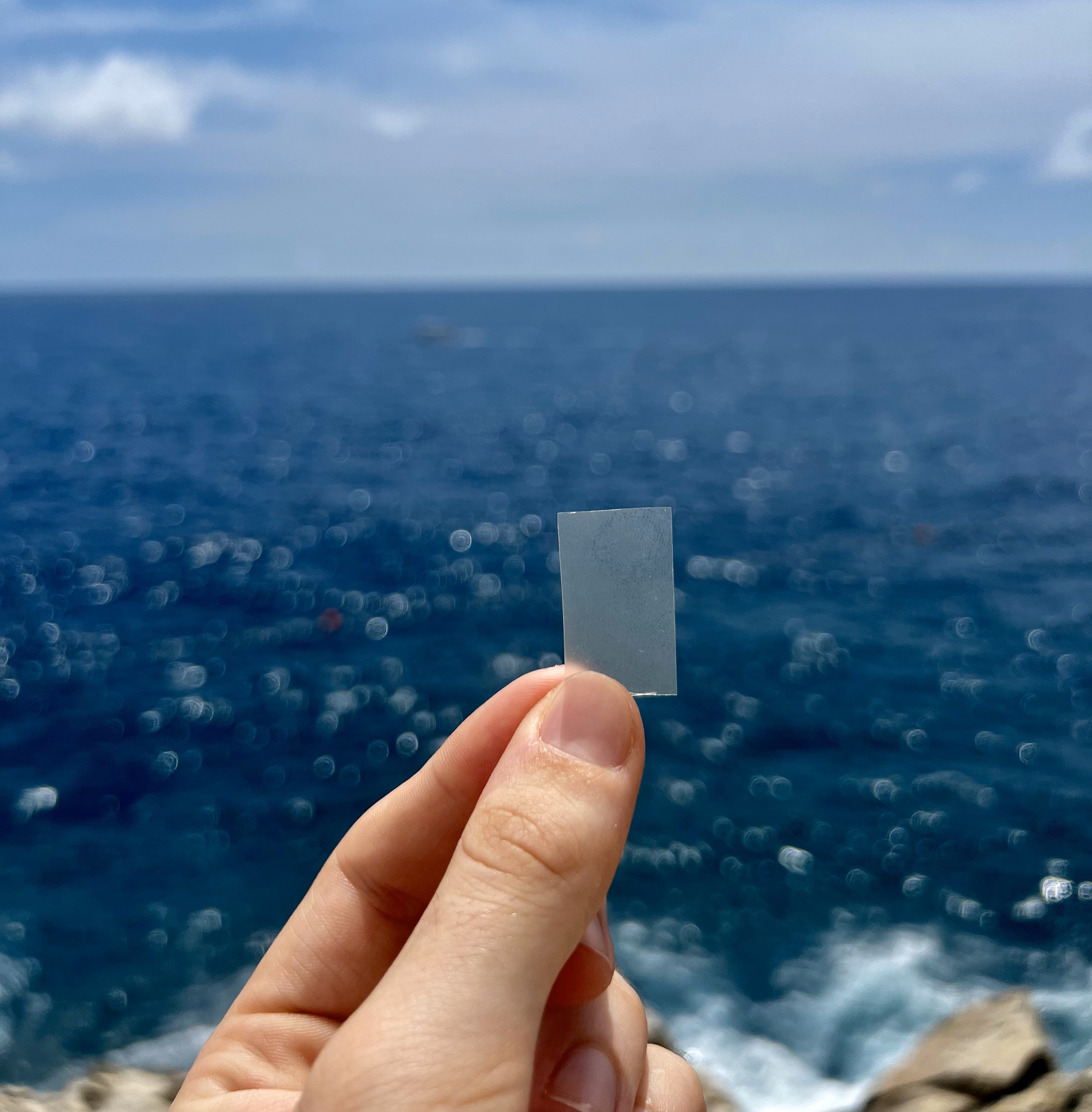
Zolv’s nicotine strips dissolve entirely in the mouth within two minutes. The thin, flavored strip delivers a fast, efficient dose of pharmaceutical-grade nicotine with no leftover waste. Discreet and portable, it offers a practical choice for users seeking both convenience and sustainability.
“It was really born from a personal need,” said Ilkhani. “I had successfully quit smoking, but then I became dependent on vaping my Juul. I tried gums and pouches, but nothing worked until we discovered this strip. It helped me stop vaping, and that was the lightbulb moment.”
Zolv’s format could also help address social stigmas. Because the strip leaves no trace and produces no vapor or odor, it sidesteps the common complaints associated with smoking cigarettes and vaping in public places. “We believe that social acceptability will play a huge role in long-term adoption,” Adam said.
Additionally, the company is exploring partnerships with tobacco harm reduction advocates and public health researchers who are interested in reducing the risks involved with traditional nicotine delivery systems. “Our goal isn’t just to create a commercially successful product—it’s to contribute to a broader shift toward responsible nicotine use,” Ilkhani added.
Clean, Simple Delivery
Zolv does not involve combustion or aerosolization, making it significantly less harmful than smoking and potentially less harmful than vaping. “Nothing is inhaled,” Adam explained. “We’re delivering a consistent dose of nicotine via oral mucosa, with no smoke, vapor, or heat. That means fewer harmful or potentially harmful constituents (HPHCs), and from a harm reduction standpoint, that’s huge.”
The claim is supported by a clinical bioequivalence study conducted in 2012 at Stockholm’s Saint Goran Hospital and approved by the Swedish Medical Agency. The data suggests that the strips supply nicotine as safely and quickly as Nicorette Peppermint oral nicotine spray, an established nicotine replacement therapy (NRT). When asked which product they preferred for smoking cessation, 73% of trial participants chose the nicotine strips.
According to the study, nicotine strips achieved plasma nicotine levels comparable to existing products like snus, but with a quicker onset—typically under five minutes. Participants reported fewer adverse effects, and the strips did not cause any significant or severe side effects or discomfort.
“These findings validate that oral strips are not just a novel format—they are a better nicotine delivery system altogether,” Adam said. “They’re faster than gum, more discreet than pouches, and cleaner than vaping.”
Greetings From Stockholm
Zolv’s product builds on technology first commercialized by Nicoccino, a Swedish company that has marketed a fast-acting nicotine film strip since 2014. Like a pouch, it’s placed between the upper lip and gums—but unlike pouches, the strip begins releasing nicotine within seconds and dissolves completely in just a few minutes.
Beyond Sweden, Nicoccino’s strips are currently available through distributors in Estonia, the Czech Republic, the United Kingdom and Malta, as well as through Nicoccino’s website. The strip is regulated as a nicotine product in markets where oral alternatives are legal and established.
Now, with exclusive rights to U.S. distribution, Zolv is preparing to bring the product stateside under its own branding. “It works better than a pouch. The strip’s rapid, efficient onset means that a 2 mg version can match the satisfaction of a 6 mg pouch,” Adam noted. “At just 0.07 mm thick, it’s more discreet and gentler on the gums. American nicotine consumers are going to want this product.”

Scaling Production, Seeking Support
Zolv is currently raising capital to support its FDA PMTA submission, scale production, and build U.S. distribution. Manufacturing is handled at a GMP-certified facility in Sweden using a proprietary process that ensures accuracy of dosing and product stability. The main ingredient in nicotine strips is an alginate derived from sustainably harvested seaweed and all ingredients, except nicotine, are food approved.
“Every strip is made with pharmaceutical-grade nicotine, strictly FDA G.R.A.S. additives, and precision dosing,” said Adam. “There’s nothing artisanal about it—it’s all backed by science and made to meet the highest international quality standards.”
Zolv is targeting investors aligned with harm reduction and environmental sustainability goals. “We’re not just building a nicotine product—we’re building a responsible nicotine company,” Ilkhani said. “We want our mission to resonate with partners who care about health, sustainability, and the future of this industry.”
Consumer Appeal, Regulatory Trends
While Zolv’s environmental advantage is compelling, consumer appeal also hinges on convenience, taste, and discretion. “The strip format fits modern life,” said Ilkhani. “It doesn’t smell, you can use it at your desk, in a plane, at a restaurant. And because it’s available in different strengths, it helps users manage and eventually reduce their nicotine intake.”
Available in two strengths—1 mg and 2 mg—and multiple flavors including menthol, vanilla, and berry, Zolv’s strips are individually wrapped for freshness and two-year shelf stability. The nicotine strip product has gained early traction in European markets, where it is sold at tobacconists and online platforms.
As governments worldwide move to restrict vaping flavors and disposable devices, Zolv sees a unique opportunity to fill the reduced-risk space. “Flavored vaping is under attack. Pouches are next. We’re ahead of that curve,” Adam said. “Because we produce no waste and prioritize smart ingredients, we’re positioning ourselves to meet future compliance head-on.”
The Road Ahead
Zolv plans to submit its PMTA in early 2026 and aims to launch in the U.S. by 2028, pending FDA authorization. In the meantime, the company will build upon its mission, engage with public health stakeholders, and seek retail partnerships. The company expects Zolv to retail at $8.99 per package of 20.
Adam and Ilkhani also envision broader applications for the strip delivery format, including caffeine, vitamins, and therapeutic agents. “We’re starting with nicotine because that’s where the need is urgent,” Adam said. “But this format has enormous potential across the consumer health spectrum.”
For now, Zolv’s focus remains clear: introducing a cleaner, smarter nicotine product to the U.S. market without repeating the mistakes of the past. “In an industry that’s constantly under fire, we’re building something that’s both responsible and viable,” Adam said. “Zolv is about choice, health, and sustainability. And we believe it represents the future of nicotine.”