- Top Takeaways
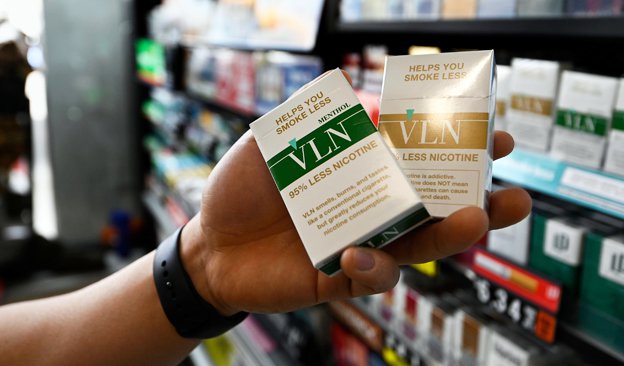
Major tax hikes across all tobacco/nicotine lines: Delaware’s proposed H.B. 215 lifts cigar and pipe tobacco taxes from 30% to 45% of wholesale, raises cigarette tax from $2.10 to $3.60/pack, and hikes vapor liquid taxes from $0.05 to $0.25/ml. - Nicotine pouches now formally included: The bill redefines “tobacco products” to cover all nicotine-containing items, explicitly including nicotine pouches—unlike current law.
- Set to take effect September 1, 2025: Tax increases begin Sept. 1, with licensing fee changes effective Jan. 1, 2026, and a floor tax on existing stock by Dec. 31, 2025.
In a bid to curb tobacco and nicotine use while boosting state coffers, Delaware lawmakers have introduced House Bill 215, which dramatically raises excise rates on traditional and emerging nicotine products.
Cigarette taxes rocket from $2.10 to $3.60 per 20-pack, aligning Delaware closer to New York and Maryland rates. Other tobacco items—cigars, pipe tobacco, and moist snuff—rise from 30% to 45%, while moist snuff sees a jump from $0.92 to $1.23 per ounce.
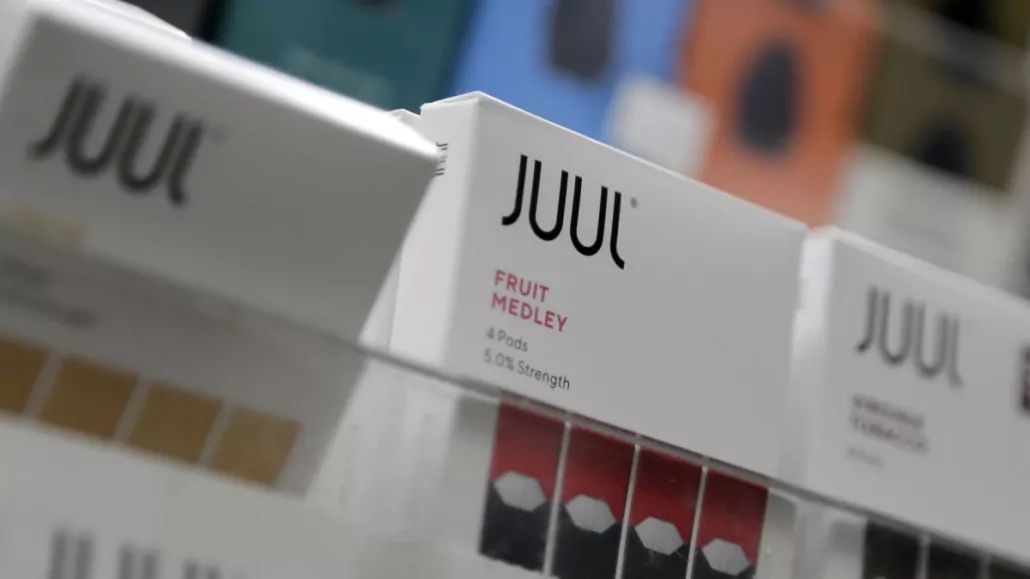
Most notably for the next-gen market, vapor product taxes leap from $0.05 to $0.25 per milliliter, a fivefold increase. The legislation is spearheaded by state House Speaker Melissa Minor-Brown and supported by six state Senate and House leaders, the measure was filed June 6 and is under review in the Administration Committee.
The bill also expands Delaware’s definition of “tobacco products” to encompass all nicotine derivatives, explicitly including nicotine pouches. This move directly addresses regulatory gaps as a growing number of users switch to nicotine alternatives.
“When you increase tobacco tax, less people smoke. That is a fact,” Minor-Brown said, citing experiences in other states. Delaware has historically underperformed in tobacco tax competitiveness, earning an “F” from the American Lung Association while excelling in prevention and smoke-free policies.
License fees would also double: wholesalers from $200 to $400, retailers from $50 to $100, vending machines from $15 to $30, and replacement license fees from $10 to $20.
Key tax increases would take effect September 1, 2025, just as premium climate campaigns gear up. License fee hikes follow January 1, 2026, and businesses must pay additional “floor tax” on inventory held before the effective date by December 31, 2025.
Retailers—particularly convenience store operators—warn of regressive impacts and potential business loss, though state leaders counter that health savings offset consumer burden. The bill has three weeks to pass this session.