By Timothy S. Donahue
Top Takeaways:
- E‑cigarette sales are falling globally, not just in the U.S., with major companies reporting significant declines.
- Consumers are migrating to unregulated products due to regulatory bottlenecks and environmental bans.
- Big Tobacco is pivoting, redirecting investments toward nicotine pouches and heated tobacco as vaping’s momentum weakens.
An estimated 40 different stories have charted the slide in U.S. vape sales—and the same trend is unfolding worldwide. Growth in e‑cigarette consumption has now slowed to a crawl in key markets such as the U.S. and U.K., with British American Tobacco (BAT) reporting global vape volumes fell by a “mid‑teens percentage” in the first half of this year.
“Regulated e‑cigarette sales have dropped almost every month for the past two years,” says data from Nielsen on U.S. market performance. In the U.K., prevalence of vaping has similarly plateaued.
“When vaping first appeared in the early 2010s, many projected it would have replaced smoking by now. That view has been wrong,” says Rae Maile, an analyst at Panmure Liberum.
The slowdown follows explosive growth driven by disposables between 2021 and 2024, a surge that has now cooled as environmental bans and youth-use concerns curtail their spread. UK research by University College London shows vaping rates flattened after disposable vape bans, halting a prior upward trajectory in recent months, as reported in Financial Times.
Big Tobacco is feeling the pinch. Philip Morris International (PMI), which has sunk over $14 billion into alternatives, acknowledged through CEO Jacek Olczak that not all adult smokers switch to vaping. “To think ‘everyone will go to vaping […] is wrong,’” he tells the FT. Instead, PMI reports stronger demand for heated tobacco device IQOS and nicotine pouches.
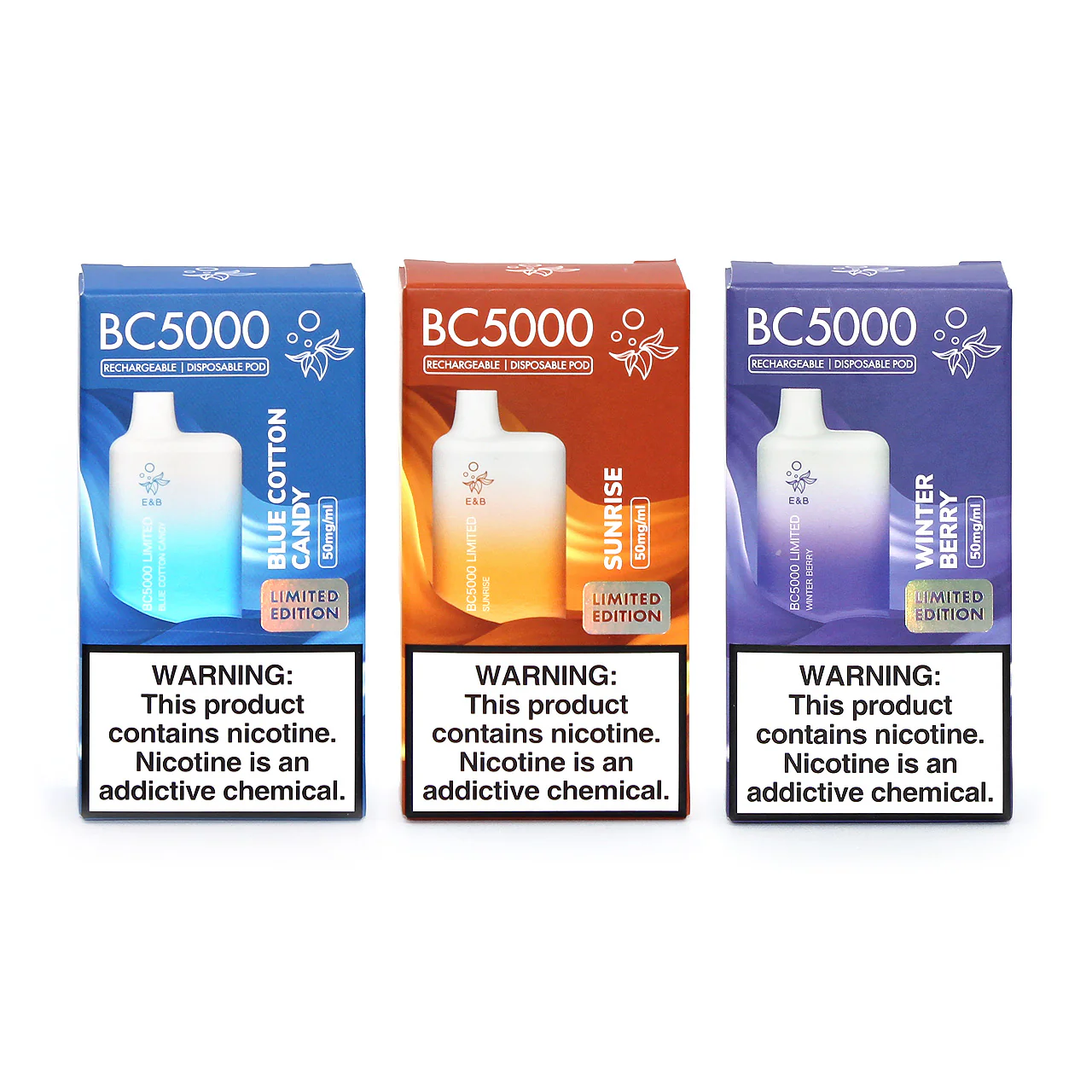
BAT’s Chief Corporate Officer Kingsley Wheaton confirms legal vaping brands are struggling, attributing the hit to unregulated disposables: “We estimate roughly $8 billion of the $10 billion U.S. market is in unregulated products,” he states, adding that tighter enforcement would help recapture legitimate market share.
Analysts say the pivot is underway but not yet enough. “The decline in e‑cigarette sales is…forcing them to rethink their strategies,” says Euromonitor’s Shane MacGuill. Citi’s Simon Hales notes a “massive shift” from regulated to unregulated vape purchases at convenience stores.
On the youth front, positives are emerging. The U.S. Food and Drug Administration reports youth vaping rates hit a decade low: 1.6 million users in 2024, down from 2.1 million in 2023.
Still, only 34 vaping products are approved under the FDA’s onerous premarket tobacco product authorization (PMTA) process, creating a barrier for innovation and legitimized competition.
Environmental concerns linked to disposable devices, now banned in the U.K. and targeted across Europe, also play a part. “Vaping use… was on quite a sharp upward trajectory,” UCL’s Professor Sarah Jackson notes, but warnings and bans have cooled demand.
As Big Tobacco recalibrates, the future of vaping remains uncertain. BAT aims for a “predominantly smokeless” business by 2035, while PMI targets two-thirds of revenue from smoke-free products by 2030.
Whether these efforts succeed depends on new product controls, youth protection measures, and legal reforms to rein in unregulated devices while sustaining momentum in safer nicotine alternatives.