Top Takeaways:
- WHO launches the “3 by 35 Initiative” to hike taxes on tobacco, alcohol, and sugary drinks by 50% by 2035, aiming to raise $1 trillion in public revenue.
- The initiative claims to advance health goals, but critics warn it risks regressive impacts on low-income populations while lacking transparency in how revenue will be used.
- WHO’s limited disclosure of methods and objectives raises concerns among public health experts and industry stakeholders about the agency’s accountability and evidence base.
The World Health Organization (WHO) has announced its ambitious “3 by 35 Initiative,” which calls for countries worldwide to raise taxes on nicotine products, alcohol and sugary drinks to increase their real prices by at least 50% by 2035.
The WHO claims the effort could mobilize over $1 trillion in new public revenue globally while helping reduce consumption of products linked to noncommunicable diseases (NCDs). However, the plan is already facing scrutiny for its lack of transparency and unclear implementation strategy.
“Health taxes are one of the most efficient tools we have,” said Dr Jeremy Farrar, Assistant Director-General, Health Promotion and Disease Prevention and Control, WHO. “They cut the consumption of harmful products and create revenue governments can reinvest in health care, education, and social protection. It’s time to act.”
Under the initiative, WHO and partner organizations will assist national governments with designing and enforcing tax policies aimed at discouraging consumption of what it deems “unhealthy products.” According to the WHO’s own analysis, a one-time tax increase sufficient to raise prices by 50% could generate as much as $3.7 trillion in additional revenue worldwide within five years — an amount equivalent to 0.75% of global GDP.
“Tobacco, alcohol, and sugary drinks are key drivers of the NCD epidemic, which undermines health and development,” the WHO stated in a recent press release. “Health taxes are among the most effective measures to reduce consumption, save lives, and raise domestic funds to finance sustainable development.”
Health economists and industry analysts have raised concerns that the WHO has not clearly outlined how participating countries should ensure the revenue will be used to improve health systems or benefit low-income communities.
Critics also point out that the WHO’s publications on the initiative lack detailed, peer-reviewed economic modeling and fail to address potential unintended consequences, such as black markets or disproportionate financial burdens on the poor.
“The WHO’s broad claims of up to $3.7 trillion in new revenue need rigorous scrutiny,” said Alex Cobham, chief executive of the Tax Justice Network, in a recent statement. “Without transparency on the assumptions or distributional impacts, there is a real risk that health taxes could exacerbate inequalities.”
Transparency and Governance Questions
The 3 by 35 Initiative comes at a time when trust in global health institutions is facing challenges. The WHO has been criticized for opaque decision-making during the COVID-19 pandemic, and observers say its current approach repeats similar patterns.
The global health agency’s press releases emphasize collaboration with governments and civil society but provide scant details on how funds will be monitored or allocated once collected.
“There is little information about mechanisms for accountability or ensuring that revenue will actually reach health programs,” noted Dr. Konstantinos Farsalinos, a renowned researcher who studies tobacco harm reduction policies globally. “Without transparency, these taxes can easily become general revenue streams that don’t help public health.”
Implications for the Nicotine Industry
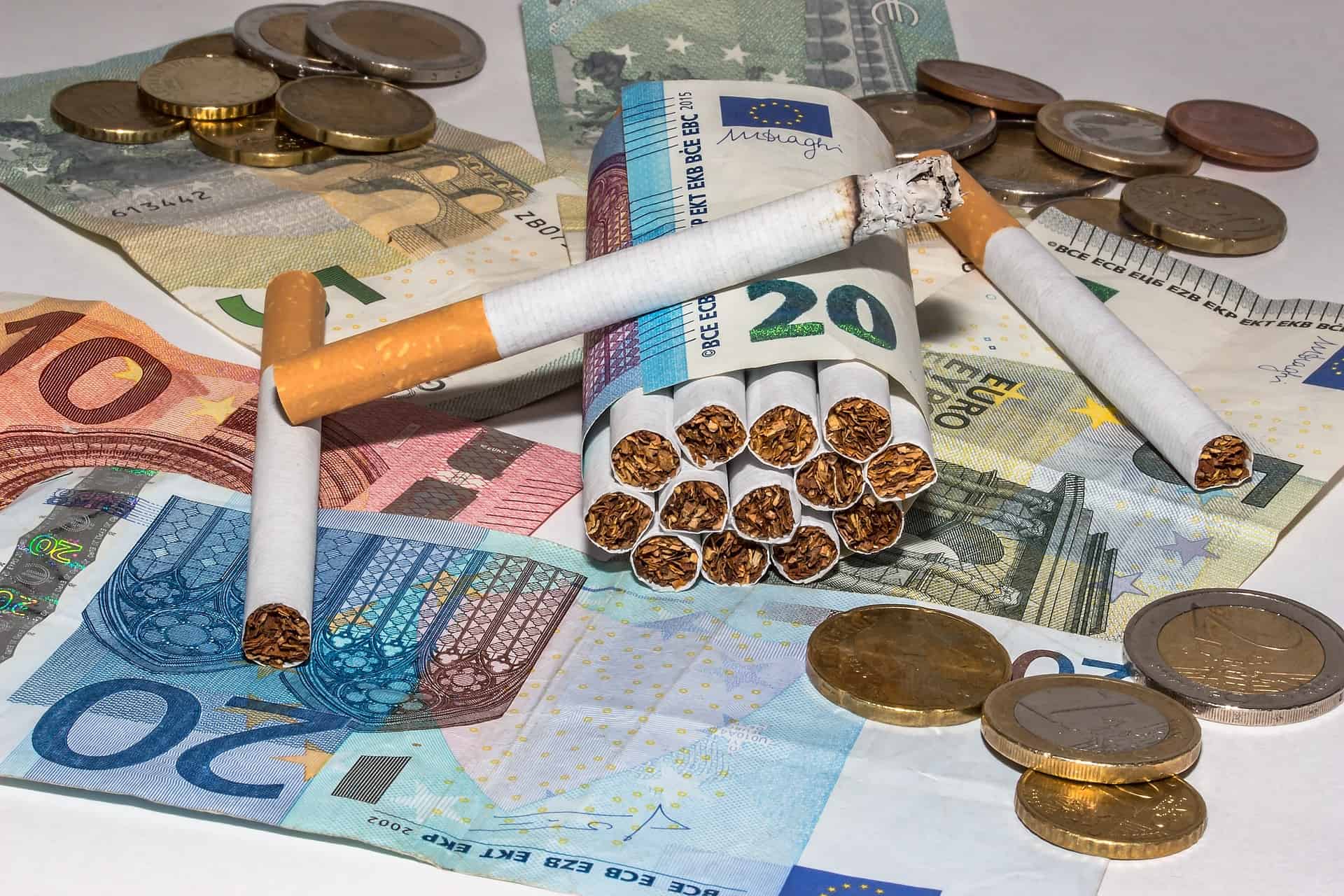
For the nicotine industry, the initiative’s focus on tobacco taxes is particularly significant. WHO’s stated goal of a 50% real price increase would mean large new costs for adult consumers and potentially sweeping changes for manufacturers and retailers in both combustible and reduced-risk products.
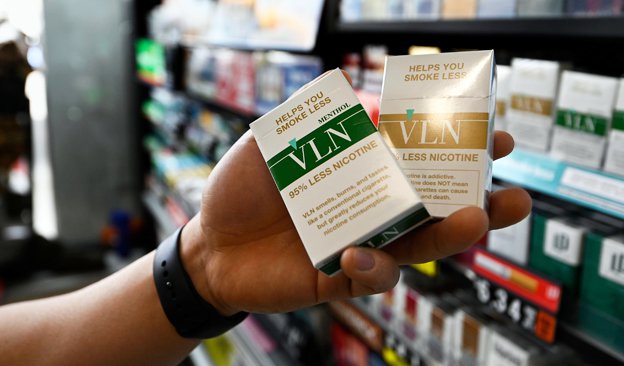
While the WHO lumps all tobacco products into a single category, industry stakeholders point out that lower-risk nicotine alternatives — such as vaping devices and nicotine pouches — are often taxed at rates similar to cigarettes, despite being recognized by regulators like the U.S. Food and Drug Administration as less harmful than combustible tobacco.
“Punitive tax increases that don’t differentiate between deadly cigarettes and reduced-risk alternatives will discourage smokers from switching to safer products,” warned Clive Bates, former head of the UK’s Action on Smoking and Health. “If WHO truly wants to reduce smoking, it should recognize harm reduction rather than blanket tax hikes.”
Rollout Raises Equity Concerns
Another major criticism of the initiative is its “one-size-fits-all” approach, which many argue fails to consider the diversity of economic realities in low- and middle-income countries (LMICs). WHO’s documents on the 3 by 35 Initiative vaguely state that implementation will be “tailored to local contexts,” but do not clarify how countries with high poverty rates and informal economies can design tax systems that won’t disproportionately burden their poorest citizens.
“The same tax hike that might work in a high-income country could devastate household budgets in LMICs, where people spend a much larger share of income on basic goods,” said Rachel Nugent, vice president for global noncommunicable diseases at RTI International, in a separate report on health taxes.
WHO’s Broader Push
Despite criticism, the WHO insists the 3 by 35 Initiative is essential to help countries reduce dependence on declining foreign aid and build resilient health systems. The agency argues that taxing products causing NCDs offers a rare “triple win” — cutting consumption, saving lives, and funding national health budgets.
“Health taxes are smart economics and essential tools for achieving the Sustainable Development Goals,” the WHO stated, encouraging every country to join the initiative.
Yet as global discussions over sustainable health financing advance, questions over transparency, oversight, and equity remain at the forefront. For now, many in the nicotine and beverage industries — as well as independent public health experts — are wondering whether the WHO will provide to the public any of its implementation plans or independent evidence to back its sweeping revenue and health claims.