Top Takeaways:
- Andhra Pradesh government bans Black Burley cultivation next season as the tobacco auction market collapses under surplus stock and weak trader demand.
- Only 2,842 MT of a 14,800 MT procurement target achieved through the Market Intervention Scheme (MIS), frustrating over 13,000 farmers.
- Collector J.V. Murali warns of crop destruction and legal action, urging farmers to switch to alternative crops and avoid high-moisture bales.
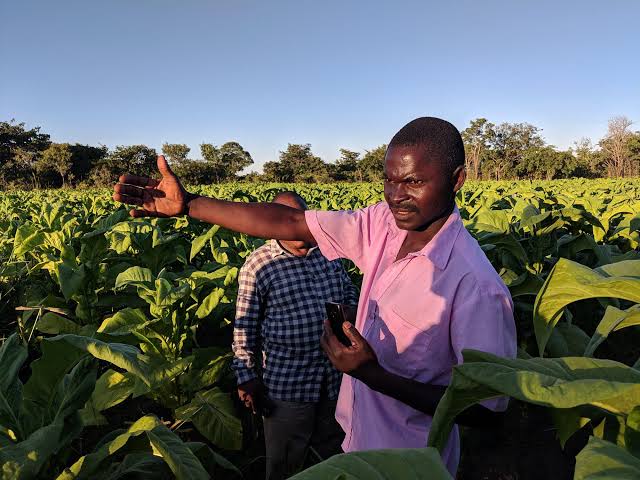
In response to a severe market downturn, the Andhra Pradesh government has outlawed the cultivation of Black Burley tobacco for the upcoming crop season. The decision follows a collapse in auction prices, leaving thousands of farmers with unsold produce. Andhra Pradesh is a state on the east coast of southern India.
State Collector J.V. Murali announced the ban Wednesday during a review meeting, citing a sharp drop in market rates as the primary concern. “We will take action against farmers if they cultivate black burley. We will not hesitate to destroy the crop,” he said, urging growers to pivot to alternative crops. “[Surplus] production by farmers led to price drop and crisis in the market. We urge farmers to cooperate with the govt and cultivate alternative crops instead of black burley.”
The government activated a Market Intervention Scheme (MIS) to purchase tobacco stocks from farmers, but the response has been underwhelming. To date, only 2,842 metric tons have been procured—far short of the 14,800 MT goal—leaving more than 13,000 farmers across 105 villages in Bapatla district in limbo.
To accelerate procurement and shield stock from rain damage, officials have instructed farmers not to bring tobacco bales with moisture exceeding 20% to centers. Meanwhile, village-level committees and senior officials, including joint collectors and RDOs, are dispatched to oversee the remaining procurement. However, farmers fear that at the current pace, clearing the surplus could take months, risking further spoilage.
In mid-July, the state established additional procurement centers in Guntur, Palnadu, Bapatla, and Prakasam districts to manage delays caused by overflowing warehouses. These centers prioritize small and marginal farmers, with logistics support provided by the agriculture department.
The crisis stems from a record surplus of Black Burley cultivation in the 2024–25 season. Nearly 80 million kg were produced across key districts—Guntur, Prakasam, Bapatla, and Nellore—far exceeding private buyers’ needs. Farmers had anticipated prices around ₹300/kg but ended up facing offers of ₹220–₹250/kg, prompting many traders to abstain from purchases altogether.
Farmer unions and local legislators have appealed to the central government and the Tobacco Board to include Black Burley under its regulatory scope, similar to Flue-Cured Virginia (FCV) tobacco, to stabilize prices. Currently, Black Burley falls outside Tobacco Board regulation, limiting intervention options.
Collector Murali emphasized compliance: “Even raising seedlings in nurseries is prohibited. Violators will face strict action, including crop destruction and legal consequences.” However, he assured that farmers with already cultivated stock can sell to private buyers, provided moisture guidelines are adhered to.
The ban marks a significant step in Andhra Pradesh’s effort to manage the fallout from endemic overproduction. As the tobacco sector grapples with clearing existing inventories, the focus will shift to crop diversification and structural changes aimed at preventing future overdependence on volatile leaf markets.