
By Timothy S. Donahue
Top Takeaways:
- Home-rule battle: Ohio cities say the state’s flavor preemption law violates local authority
- Broader stakes: A ruling could affect future disputes involving firearms, housing and other local regulations
- Nicotine impact: The case will determine whether cities can enact their own flavored tobacco restrictions
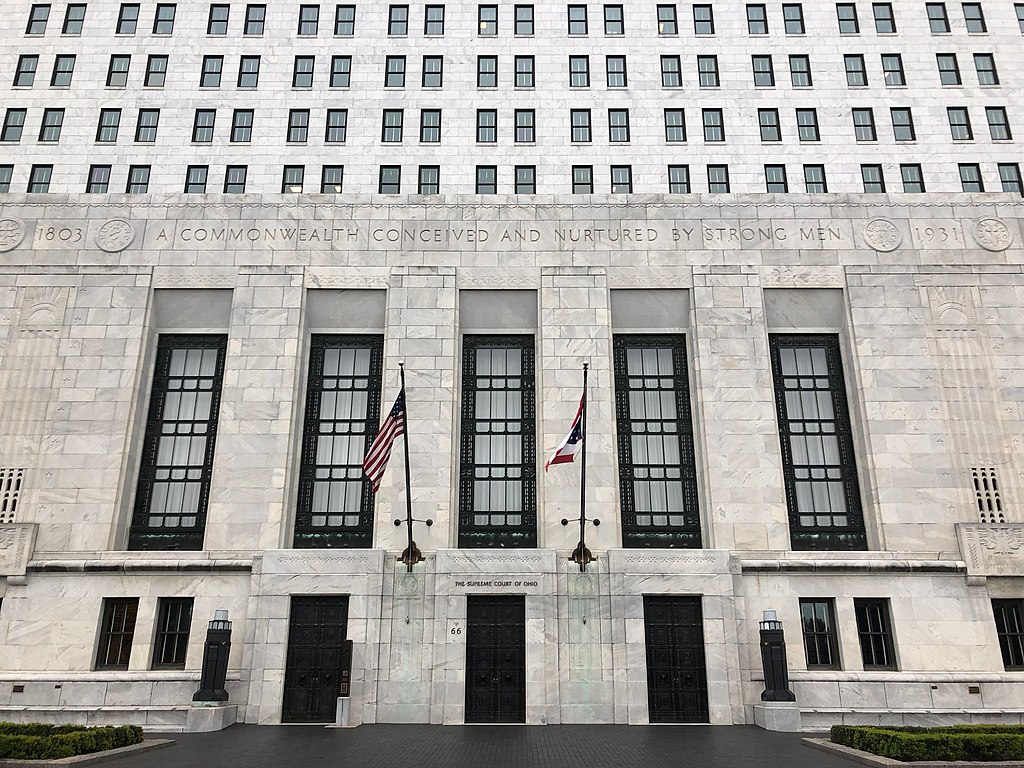
A coalition of 21 Ohio cities will make its case before the Ohio Supreme Court on June 9, seeking to preserve local authority to regulate flavored tobacco and nicotine products.
The dispute centers on a 2022 state law that prohibits municipalities from regulating the sale, distribution, marketing, taxation, licensing, or use of tobacco, vapor, and alternative nicotine products, including nicotine pouches.
The case arose after several Ohio municipalities, including Columbus, Bexley, Grandview Heights, and Worthington, enacted restrictions on flavored tobacco products. Local officials argued that the measures were intended to reduce youth access to flavored nicotine products, particularly fruit- and candy-flavored vaping products.
The cities contend that the state law violates Ohio’s constitutional home-rule protections, which grant municipalities authority to govern local matters. State officials argue that the General Assembly has the authority to establish uniform statewide regulations rather than allowing a patchwork of local rules.
The legal fight has already produced a significant lower-court ruling. In May 2024, Franklin County Common Pleas Judge Michael Holbrook ruled in favor of the cities, finding that the state law unlawfully infringed on municipal home-rule authority. Ohio appealed the decision to the state’s highest court.
While the immediate dispute concerns flavored tobacco products, legal observers note that the outcome could extend far beyond nicotine regulation. The Ohio Supreme Court’s interpretation of home-rule authority could influence future conflicts between state and local governments over issues such as firearms regulations, zoning, housing standards, and other municipal ordinances.
A decision is expected later this year.


