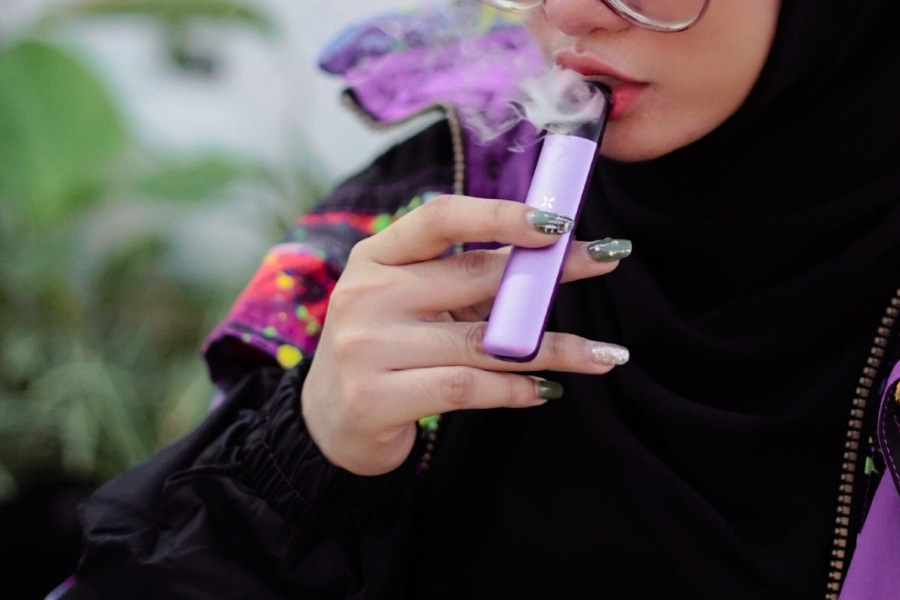
In 2020, California enacted a sweeping law banning most flavored tobacco and vaping products. Now, five years later, the state is nearing a major enforcement milestone—but the implications of the emerging Unflavored Tobacco List (UTL) go well beyond flavored goods.
Yesterday, the California Attorney General’s office released a draft of the UTL process. As conceived, manufacturers must submit detailed information for each product: physical attributes like length, weight, ring gauge, packaging quantity, plus assurances that the product contains no flavor beyond tobacco.
They must also report how other governments have classified the flavor status of the product—and mail a physical sample to the AG’s office. The state expects a $300 application fee, reduced from the originally proposed $1,000, and a $150 annual renewal fee.
A notable exemption covers “premium cigars,” defined—per the 2020 law—as handmade cigars with premium wrapper leaves, no filter or non-tobacco mouthpiece, and a wholesale price of at least $12. Interestingly, the law still allows flavored premium cigars, despite the overarching flavored ban.
Industry watchdog Halfwheel warned that registering with the UTL could prove so burdensome that many companies may abandon the California market. Limited-edition or niche products may simply not be submitted, and suppliers might delay shipping until approvals are secured. Retailers in other states—even as far away as Florida—could also face liability if they ship unregistered products into California.
Under the proposal, the AG must publish the final UTL by December 31, 2025. Registrants will have 45 days to submit their applications following that publication—a window industry insiders argue is far too short. Crucial details remain unclear: Will there be a grace period for pre-UTL inventory? What happens if the AG misses its self-imposed 90-day decision timeline on applications?
Legal pushback is already brewing. The Cigar Rights of America (CRA), in a statement circulated this week, pledged to pursue “all available avenues” to challenge the UTL, especially criticizing the use of emergency action to rush its implementation.
There’s growing concern that California’s process may face preemption challenges: Federal courts have previously split over similar ENDS registry laws in Republican-led states, with decisions like one in the U.S. District Court for the Southern District of Iowa suggesting state-level product approval schemes may conflict with the FDA’s exclusive regulatory authority.