By Timothy S. Donahue
Top Takeaways:
- Industry backlash: Reynolds, Altria, Juul Labs and independent vape groups say FDA’s proposed flavored vape framework changes little.
- Flavor fight: Companies argue FDA still sets an unrealistic burden for fruit- and dessert-flavored products despite recent authorizations.
- Regulatory pressure: Public-health groups warn broader flavor authorizations could reignite youth use concerns.
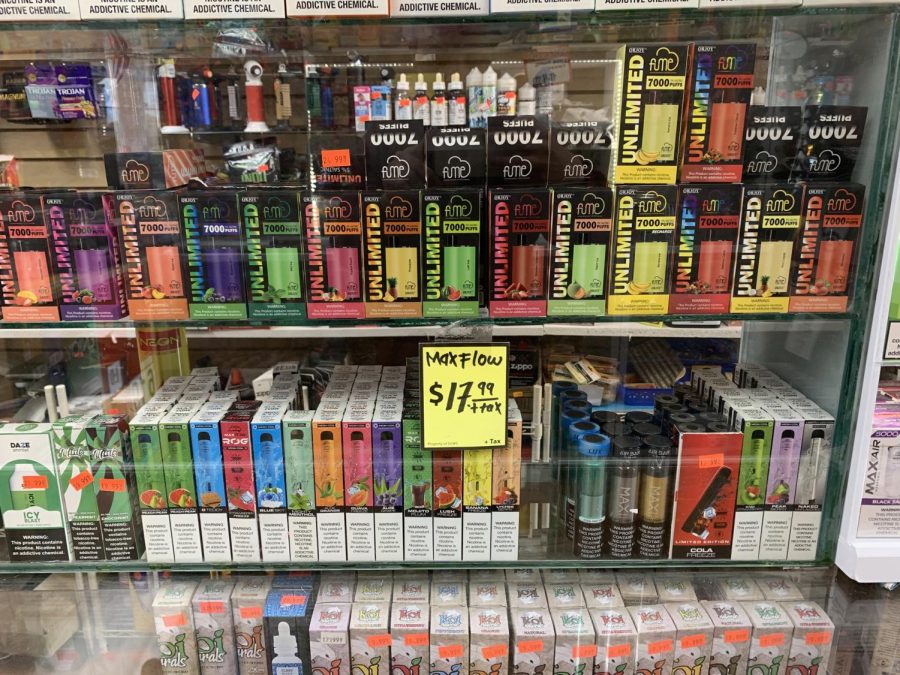
The U.S. vape industry is pushing back hard against the U.S. Food and Drug Administration’s proposed framework for reviewing flavored vaping products, arguing that the agency still offers no clear path to broad authorization of smoke-free alternatives.
According to reporting by Bloomberg Law, major companies including Reynolds American, Altria and Juul Labs, along with independent vaping trade groups, criticized FDA draft guidance covering flavored electronic nicotine delivery systems (ENDS).
The proposed guidance signals that FDA remains unlikely to authorize fruit- and candy-flavored products broadly, while suggesting that flavors such as coffee, tea and spices may face less regulatory resistance. Industry groups say the proposal largely preserves the same standards that manufacturers have criticized for years.
“The draft guidance basically puts in black and white the same misguided policy,” said Tony Abboud, executive director of the Vapor Technology Association. “It is clearly the wrong direction for the FDA, as well as a failure in attempting to fulfill the president’s promise to save vaping.”
The comments come as the nicotine industry continues to pressure the Trump administration and the FDA to accelerate authorization pathways for smoke-free nicotine products while increasing enforcement against illicit imports.
Over the past five years, the FDA has received more than 27 million premarket tobacco product applications (PMTAs) for vaping products, but has authorized only 45 e-cigarettes for sale in the United States. The agency recently authorized certain mango- and blueberry-flavored products for the first time, marking a notable shift away from tobacco and menthol flavors.
Still, manufacturers argue that the overall framework remains vague and unpredictable. “Manufacturers invest millions of dollars and years of science—and get denied under secret criteria that apparently change at will,” Reynolds said. “The draft guidance gives manufacturers nothing to work with. No objective standard. No benchmarks.”
Independent manufacturers expressed similar frustrations. “Despite this half-measure guidance, FDA’s yardstick remains entirely concealed from applicants and the public,” said Jim McCarthy of the American Vapor Manufacturers, who described the PMTA process as “a blindfold steeplechase for American companies.”
One of the central industry objections concerns FDA’s continued skepticism about fruit and dessert flavors.
The draft guidance indicates that FDA expects manufacturers to demonstrate that flavored products provide benefits to adult smokers beyond those offered by tobacco-flavored products.
“To be clear, youth should not be using tobacco or nicotine products,” Altria said in comments cited by Bloomberg Law. “However, the empirical evidence does not support FDA’s narrative that youth ENDS use risk is escalating—or that youth risk would worsen if FDA were to begin authorizing non-tobacco flavored ENDS products.”
Harm reduction advocates also questioned the FDA’s apparent willingness to favor certain “adult” flavors over fruit flavors. “I am happy that FDA is at least willing to admit that flavors are going to be a motivating factor,” said tobacco harm reduction advocate Nick Green. “Adults ultimately overwhelmingly prefer fruit flavors when they’re quitting, bakery flavors when they’re quitting.”
Meanwhile, anti-tobacco groups warned that the framework could underestimate how quickly youth flavor preferences change. Public-health advocates argued that youth preferences “are likely to continue to shift” if enforcement patterns or authorized flavors change over time.
Former FDA tobacco director Brian King, now with the Campaign for Tobacco-Free Kids, said regulators must continue to weigh youth risks carefully. “When it comes to flavored tobacco products, there is a robust body of science demonstrating the risks to youth,” King said.
At the same time, King acknowledged broader political shifts in nicotine regulation. “What you’re seeing is more appetite by the administration to facilitate getting these flavored products on the market,” he added.