Top Takeaways:
- Lawmakers failed to review a Tobacco Business Act amendment that would classify synthetic nicotine as tobacco.
- Synthetic-nicotine products remain untaxed and can legally be sold near schools and in vending machines.
- The subcommittee will resume Sept. 16, but industry stakeholders warn continued delays prolong regulatory uncertainty.
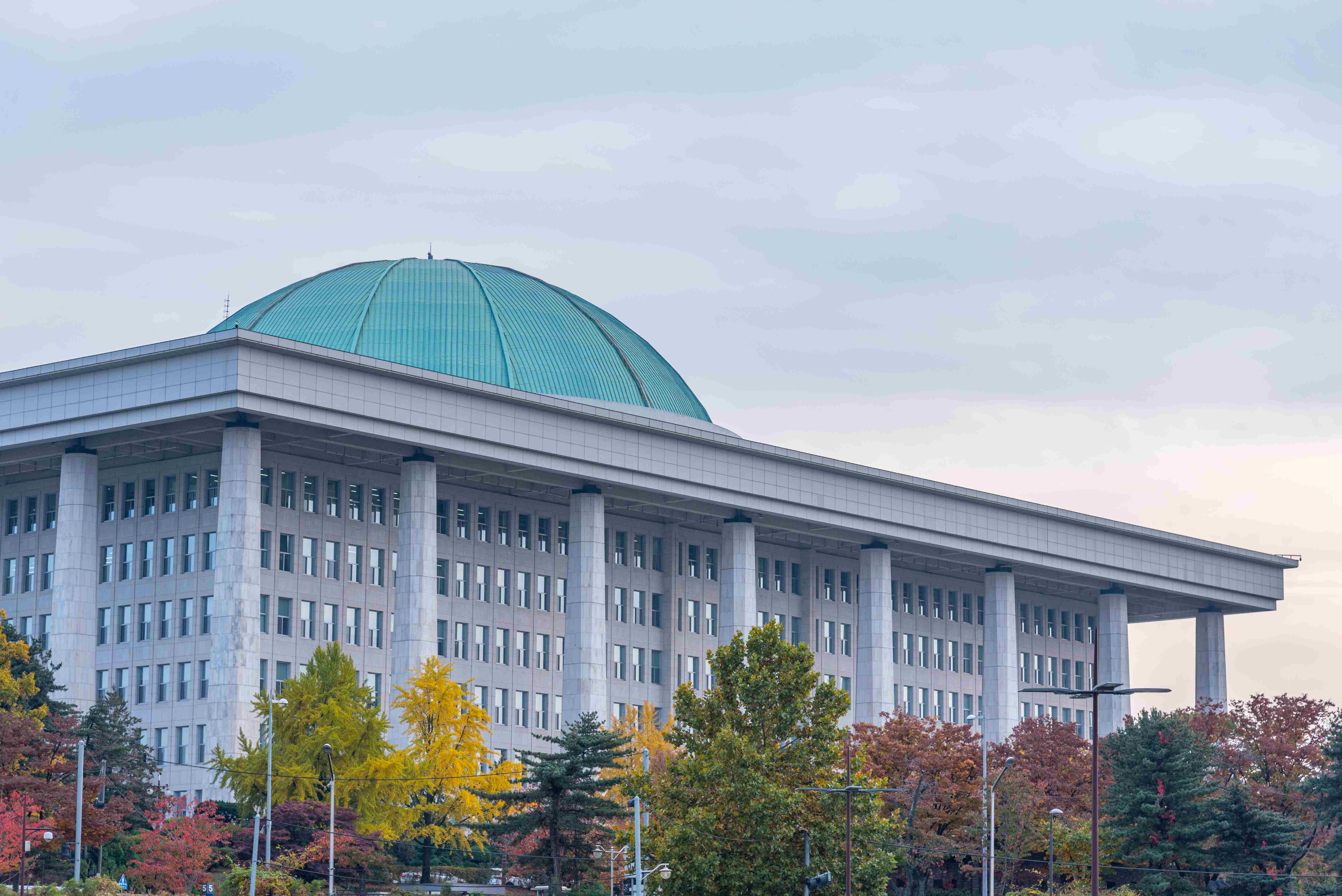
South Korea’s National Assembly once again failed to pass legislation that would classify synthetic nicotine as tobacco under the law, leaving this rapidly expanding category untaxed and mostly unregulated.
On September 9, the Assembly’s Strategy and Finance Committee Subcommittee on Economy and Finance did not review the pending amendments to the Tobacco Business Act (TBA), citing scheduling conflicts.
Lawmakers prioritized revisions to the Act on the Management of Public Institutions, pushing the TBA amendment off the agenda until the meeting adjourned.
The proposal would classify synthetic nicotine as tobacco, making it subject to current taxes and sales restrictions. Currently, products with lab-made nicotine are exempt, allowing them to be sold near schools and through vending machines. Policymakers and health groups warn that low prices and availability have made synthetic-nicotine e-cigarettes a gateway for youth use.
Although discussions date back to 2016, the measure has repeatedly stalled. Momentum increased after a November 2024 Ministry of Health and Welfare study concluded that synthetic nicotine poses significant health risks, but no action was taken during the February 2025 extraordinary session.
The subcommittee has now moved its agenda forward to the items just before the TBA amendment and plans to continue discussions on Sept. 16. Industry stakeholders showed frustration with the delay and urged lawmakers to focus on the amendment when the session resumes.