By Timothy S. Donahue
Top Takeaways:
- Local firms fail to buy mandated 40 million kg of surplus tobacco under PTB order.
- Farmers forced to sell below official prices amid mounting storage and debt pressures.
- Analysts urge stronger enforcement to prevent further market distortion.
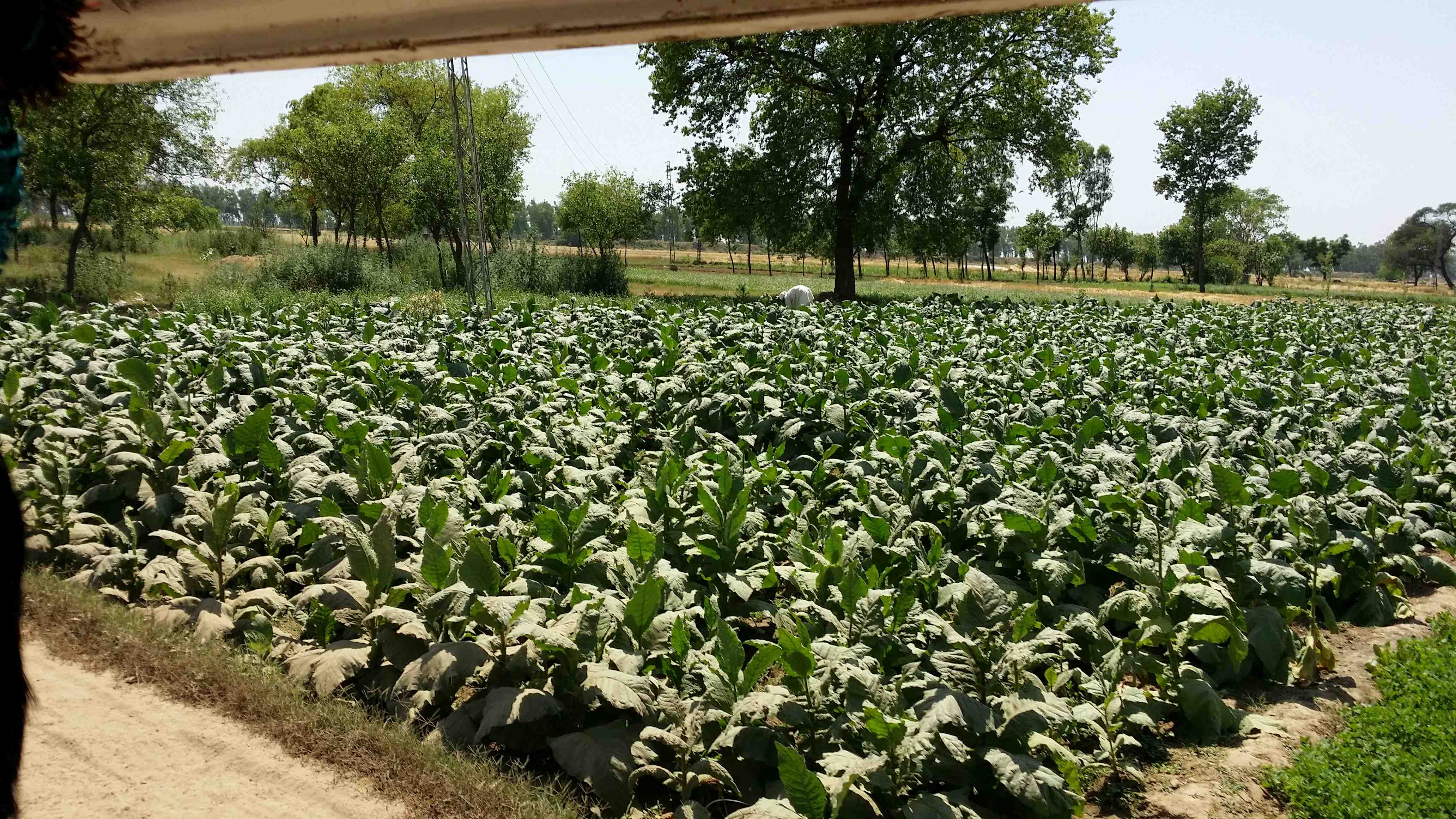
Tobacco farmers in Pakistan’s Khyber Pakhtunkhwa and Punjab provinces are experiencing increasing financial pressure as most local companies have not complied with a September directive from the Pakistan Tobacco Board (PTB) requiring the purchase of 40 million kilograms of surplus crop, Business Recorder reported.
Although several major tobacco companies have reportedly met their obligations, many local manufacturers have either delayed or refused to purchase, leaving thousands of growers with unsold leaf and shrinking cash reserves. Farmers say companies are offering prices below the Minimum Indicative Price set by the PTB and, in some cases, failing to make timely payments.
In Swabi, a major tobacco-growing district, flue-cured Virginia tobacco remains in warehouses without buyers. “We were told the board’s order would protect us, but without enforcement it’s meaningless,” one farmer told the publication.
Experts warn that issuing surplus purchase directives without a monitoring system or penalties has created a two-tier system that penalizes compliant companies while rewarding those who ignore the rules. Firms that followed the PTB’s order now face liquidity and storage issues, while non-compliant operators have gained an unfair cost advantage.
Industry observers say the PTB might issue a second surplus order to absorb the remaining unsold crop, but they warn that without stronger oversight, its effectiveness could be limited.
The dispute arises as Pakistan’s formal tobacco industry faces falling domestic demand, inflation pressures, and competition from illegal trade. For many farmers, tobacco remains a main source of family income, and the government’s failure to enforce its policies risks eroding trust in regulations meant to protect rural livelihoods.