By Timothy S. Donahue
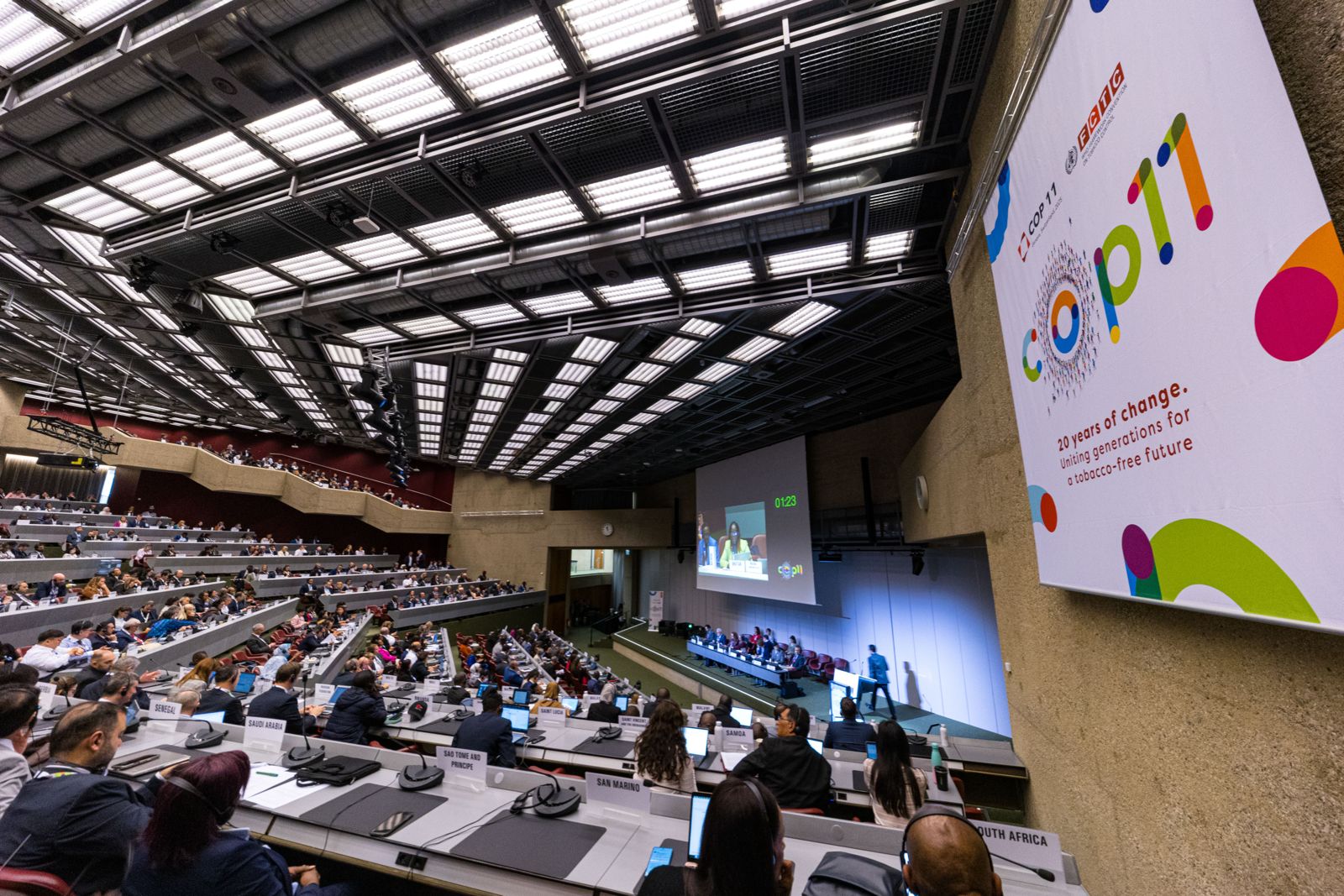
Government officials and public-health leaders opened the Eleventh Conference of the Parties (COP11) to the WHO Framework Convention on Tobacco Control (WHO FCTC) in Geneva on Monday, launching a week of negotiations that could reshape global policy on cigarettes, novel nicotine products and the environmental footprint of tobacco.
More than 1,400 delegates from governments, international organizations and civil society, representing 162 Parties to the WHO FCTC, gathered to “begin deliberations on accelerated action on tobacco control,” the Convention Secretariat said in its opening news release.
Acting Head of the FCTC Secretariat Andrew Black told delegates that “COP11 provides an opportunity for Parties to consider important issues including forward-looking tobacco control measures, environmental protection, liability and measures to prevent and reduce tobacco consumption, nicotine addiction and exposure to tobacco smoke.”
He added that the Secretariat “welcomes all Parties and observers to COP11 to promote international cooperation and move ahead with global action to address the global tobacco epidemic.”
Opening messages
In his opening speech, WHO Director-General Dr. Tedros Adhanom Ghebreyesus highlighted youth use of next-generation nicotine products, warning that schools have become “the new front line of the war against tobacco and nicotine,” where companies are “actively recruiting a new generation of addicts.”
Tedros said that over the past 20 years, youth smoking has decreased by about one-third worldwide, but at least 15 million children aged 13–15 now use e-cigarettes. In 63 countries with available data, teen vaping rates are on average nine times higher than among adults. “There is no evidence that these products benefit public health,” he said. “On the contrary, evidence of their harm is mounting.”
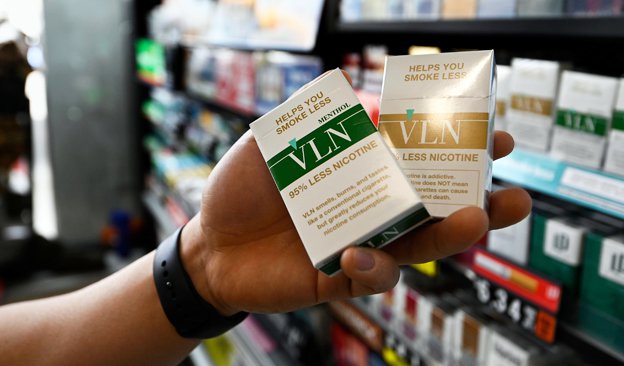
“Let’s be clear — these companies are not driven by harm reduction or public health. They are driven by profit for their shareholders,” Tedros said, urging countries to regulate nicotine pouches, e-cigarettes, heated tobacco and smokeless tobacco “as strictly as conventional cigarettes,” including restrictions on flavors, packaging, marketing, sales and enforcement of age limits.
A ministerial roundtable hosted by Belgium on Monday, titled “The New Nicotine Challenge: Preventing a New Wave of Youth Addiction,” examined national responses to the increasing use of nicotine products that do not involve combustion, such as e-cigarettes.
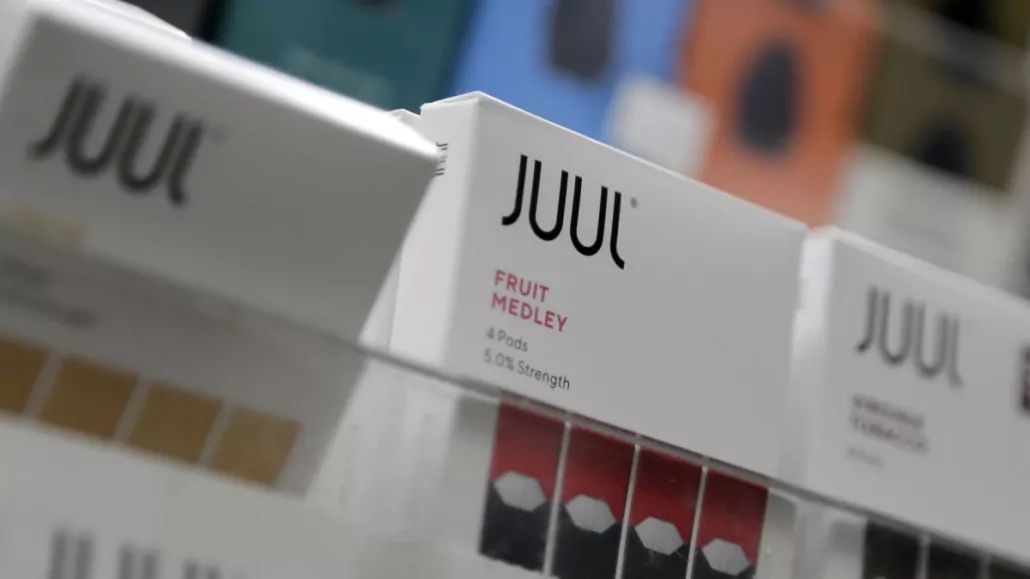
The round table briefing notes state that these products “have increased rapidly, particularly among adolescents and young adults,” are “often highly addictive” and are marketed with “flavored variants, sleek designs, and colorful packaging” that appeal to youth.
The document concludes that evidence “does not support the conclusion that they are effective for cessation at the population level” and warns that “evidence is mounting regarding their harmful impact on public health, especially in initiating nicotine addiction among new generations.”
Agenda for the week
Also on the opening day, parties received the 2025 Global Progress Report on Implementation of the WHO FCTC, a biennial analysis of how the treaty is being enforced. According to the Convention Secretariat, the most frequently cited barriers remain “the lack of staff and human resources, insufficient financial resources, and interference by the tobacco industry and its allies.”
COP11 is organized around the theme “20 years of change – uniting generations for a tobacco-free future,” marking two decades since the Convention entered into force. Over the course of the week, delegates are scheduled to consider a set of agenda items that go to the heart of how both traditional and newer nicotine products are regulated.
According to the official agenda and the opening-day communiqué, Parties will discuss:
- Regulation of contents and disclosure of tobacco products under Articles 9 and 10 of the Convention.
- Implementation of Article 19 on liability, including how legal responsibility for tobacco-related harms is addressed.
- “Forward-looking tobacco control measures” under Article 2.1, based on recommendations from an Expert Group.
- Protection of the environment and the health of persons under Article 18, including the impact of tobacco production, use and waste.
Implementation of measures to prevent and reduce tobacco consumption, nicotine addiction and exposure to tobacco smoke, and “the protection of such measures from commercial and other vested interests of the tobacco industry in light of the tobacco industry’s narrative on ‘harm reduction’,” under Articles 5.2(b) and 5.3.
As talks moved into their second day on Tuesday, delegates continued working through this agenda in plenary and committee sessions, against the backdrop of WHO’s warning that, without “bold action,” the global tobacco epidemic — already killing around 8 million people each year — “will continue to be driven by addiction dressed up with appealing flavors.”
COP11 runs from 17–22 November in Geneva and will be followed on 24–26 November by the Fourth Meeting of the Parties to the Protocol to Eliminate Illicit Trade in Tobacco Products, where Parties will turn their attention to supply-chain control and cross-border enforcement.