By Timothy S, Donahue
Top Takeaways:
- Policy vs. reality gap widens as Australia leads COP11 seminars while its illegal vape and tobacco market hits record highs.
- Major seizures underscore demand, with Border Force intercepting 600,000 vapes via China-linked intelligence.
- Excise pressures fuel black markets, industry says, questioning Australia’s credibility on global nicotine policy.
Australia has invited the world to learn how to combat vaping while the black-market trade literally blows through its legal borders.
Australian authorities said they have now linked at least 200 firebomb attacks and several deaths to what the Australian Criminal Intelligence Commission (ACIC) openly calls the “tobacco wars,” a turf fight fueled by organized crime groups profiting from the sales of illegal nicotine products.
At the 11th Conference of the Parties to the WHO Framework Convention on Tobacco Control (COP11) in Geneva, the Australian Border Force (ABF)-backed delegation is leading three seminars on global tobacco and vape policy — even though reports from home show an unprecedented surge in illicit cigarettes and vapes.
According to Sky News Australia, Australia’s delegation includes officials from the Department of Health, Disability and Ageing, and the Department of Foreign Affairs and Trade. It co-organizes sessions on 1) preventing youth uptake of e-cigarettes, 2) Indigenous leadership and community-driven solutions, and 3) warning-by-design packaging and labelling strategies.
While Australia lectures the world, illegal trade within the country is booming. The tobacco industry spokesperson for British American Tobacco Australia said the “acceleration” of illegal tobacco is linked to the government pushing excise taxes “into the stratosphere.”
Industry-mapping sources report that illegal cigarette consumption increased from 3.1 billion sticks in 2022 to approximately 6.6 billion by the end of 2025, with forecasts reaching 8 billion in 2026.
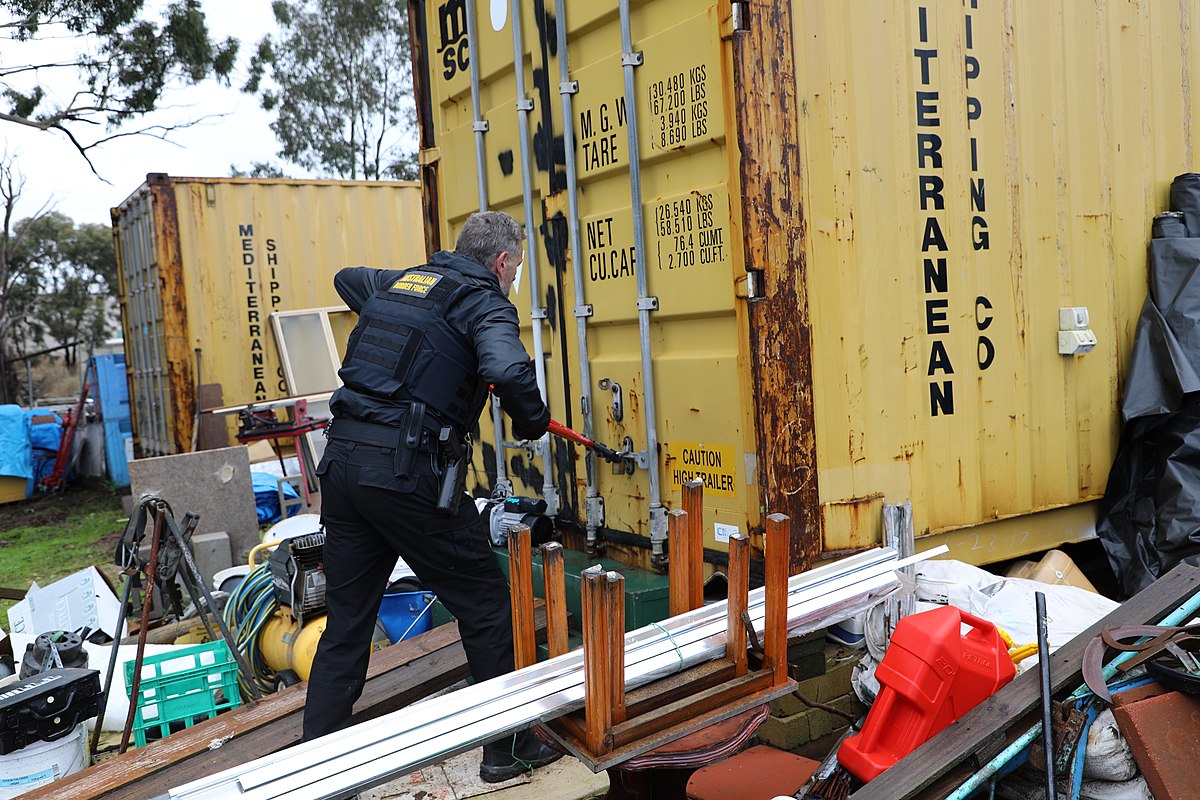
At the border, the statistics tell their own story. Between July 1, 2024, and June 30, 2025, the ABF made 23,097 illicit-tobacco detections, seizing 2.53 billion cigarette sticks and 435.46 tons of loose-leaf tobacco, plus more than six million illicit vaping products. The duty-evaded value exceeded AU$4.36 billion.
In Queensland, a single raid uncovered 30 million cigarettes, nearly 400,000 vapes, and 4.65 tons of tobacco — with duty evasion estimated at over AU$53.8 million.
Meanwhile at COP11, Australia portrays itself as a leader in tobacco control. But industry observers say the message sounds empty when contrasted with domestic evidence of illicit trade increasing beyond even the strictest regulations.
“The engagement that goes on behind the scenes with our international partner agencies needs to be commended,” said the ABF’s Laura Uttley — a statement that appears at odds with home-market dynamics.
For tobacco and nicotine-industry stakeholders this story matters. Here are key aspects:
- Australia is asserting influence at COP11 while dealing with a thriving illegal market beneath the surface.
- Legitimate retail and distribution channels should brace for increased enforcement, upstream intelligence sharing, and stricter regulation of cross-border flows, especially in high-tax jurisdictions.
- The gap between policy presentation and market reality in Australia raises warning flags for companies planning investment or expansion in jurisdictions with aggressive excise regimes and limited enforcement capacity.
The irony is sharp. Australia is holding seminars on how to stop vapes and tobacco, while vapes and tobacco flood into the country unregulated. COP11 will test whether Australia’s domestic challenges weaken its international credibility—and whether other Parties will adapt to the country’s questionable strategies accordingly.